


Drip Coffee Filter Packaging: A Full Guide on Brands and OEM Purchasers.
Single-serves Drip coffee filters packaging is a vital aspect of single-serve drip coffee products, which have integrated product security, ease of use as well as brand image all in a single solution. With coffee brands, and the retailer of own label buyers, in the case of drip coffee, the correct packaging guarantees freshness, predictable brew action, and the ability to produce adequately in large quantities.
This manual describes the nature of drip coffee filter packaging, its manufacture, and what a B2B purchasing company must take into consideration when procuring drip coffee packaging in an OEM factory.


What Is Drip Coffee Filter Packaging?
The packaging solutions used in the single-serve drip coffee products are known as drip coffee filter packaging. It normally has both an inner filter pack of ground coffee and an outer lining that will seal the product against moisture, oxygen and contamination.
Compared to conventional coffee bags, drip coffee filter packaging does not only have to meet the brewing performance requirement but also packaging protection requirement, thus, a specialized type of packaging.
Why Packaging is important to Drip Coffee Products.
Drip coffee products are based on the accurate brewing conditions. Appropriate packaging is important in:
- Filter structure protection during transportation.
- Boosting reproducible brewing.
- Favoring retail and e-commerce distribution.
- Branding and instructions of usage.
Poor packaging may have an implication on the quality of a product as well as experience to the consumer.

Drip Coffee Filter Packaging Major Features.
A drip coffee filter packaging is usually a combination of many parts.
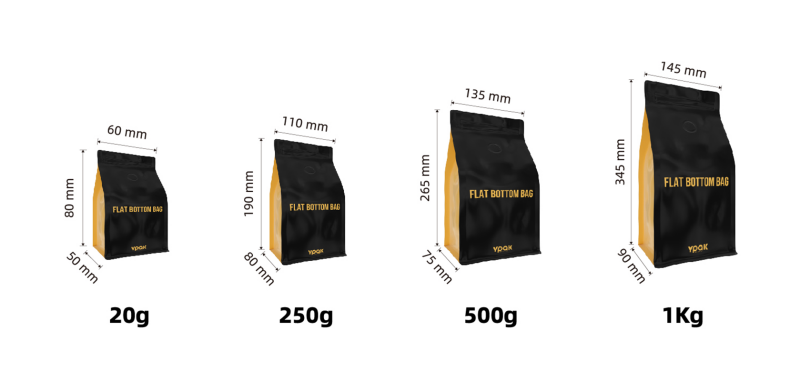
Inner Drip Coffee Filter
The inner filter contains the ground coffee and is supposed to enhance normal flow of water during the brewing process. The quality of filter material will have a direct influence on the consistency of extraction.
Outer Packaging Layer
The outer wrapping ensures the drip coffee filter does not get exposed to the environment like moisture and air. This layer is frequently laminated films or barrier materials.
Packaging Materials Drip Coffee Filters.
The choice of material plays a very important role in maintaining the quality of coffee and reliability of the packaging.
Common materials are high-barrier film, paper-based laminations and recyclable or sustainable materials. Recyclable or compostable can also be entertained as an option of a brand that focuses on environmentally friendly markets depending on the needs of performance.
Drip Coffee Filter Packaging Production Process.
The Dripps Coffee filter package manufacturing is a process that takes several steps to be coordinated.

Filter Forming and Filling
The first step will be to create the drip coffee filter and fill up a drip coffee filter with ground coffee properly. The uniformity here is with consistency in performance in brewing.
Sealing and Packaging
filled filters are filled into and sealed with outer protecting packages. The seal integrity and barrier performance are monitored.
Quality Inspection
Inspections of the factories are done to ensure integrity of filters, sealing strength and general quality of packaging prior to shipment.
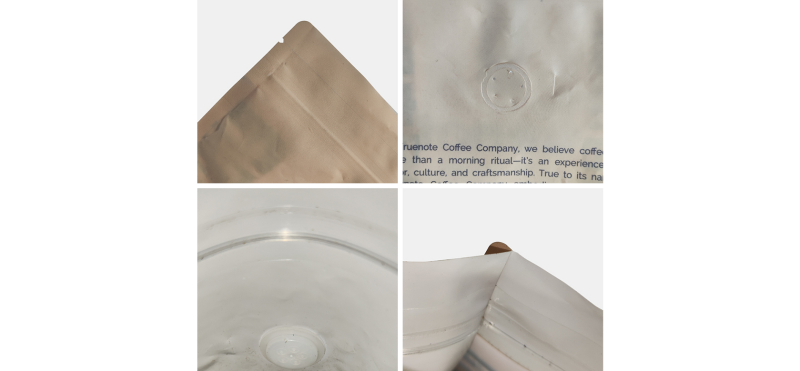
Personalization of Drip Coffee Filter Packaging.

Drip coffee filter allotment has the ability to be designed to fit the brand necessities, including:
- Custom shapes and sizes of filters.
- Outer packaging with printing.
- Ecologically friendly materials.
- OEM and branded solutions.
The customization enables the brands to distinguish their products without compromising the functional performance.
Drip Coffee Filter Packaging of OEM and Private Labels.
A large number of coffee brands depend on the OEM manufacturers to manufacture drip coffee filter packaging. OEM factories deal with the production of filters, packaging, and control over their quality, which means that the brands can devote their time to product development and marketing.
In case of the projects with private label, manufacturers can also help in packaging design, the choice of the material, and optimization of the process.
Problems with Drip Coffee Filters Packaging.
The most frequent issues are keeping the goods fresh, optimization of filter performance, moisture sensitivity, and increased production volumes. The collusion with the seasoned drip coffee packaging producers contributes to the minimization of such risks due to the standardized operations and testing.
Final Thoughts
The Drip coffee filter packaging is a packaging product that needs to be paid attention to the materials, manufacturing accuracy, and quality control. Appearing in the packaging components and production processes, the brands and OEM buyers can find credible drip coffee packaging to maintain the quality of the product and allow expanding the growth.

Frequently Asked Questions (FAQ).
The drip coffee filters are normally packaged in an inner filter pack and an outer protective packaging layer that is meant to keep the coffee fresh.
Yes. Packaging may be tailored in terms of size, material, printing and structure according to brand and market demands.
Yes. Most of the coffee products under the private label apply OEM drip coffee filter packaging to maintain the same quality and scale.
You can always try generic samples for size and material. In rare cases, a completely custom printed prototype of your personal design may be feasible, but it can also be costly. The dgtl file is approved, as industry standard. This is the closest approximation here of what your final pouch will look like, it is a very high quality PDF.
There are manufacturers who provide recycling or environmentally friendly materials, based on the performance needs and preferred markets.
During the production, quality control will involve inspection of filter integrity, sealing performance and the durability of packaging.
The shelf life relies on the quality of coffee, the packaging materials, integrity of the sealing and storage.
Post time: Mar-24-2026


