


The Complete Manual to Personalized Stand Up Pouch Bags for Your Brand
Are you by any chance looking for packaging that will make your product get noticed? Custom stand up pouches are one style of flexible packaging that can be positioned on a shelf vertically; they can attract customer attention and keep what's inside fresh.
Not only does this kind of packaging help your brand stand out, it also protects the product from damage and gives a satisfying experience to the customer. All the necessary information will be provided in this guide. The order of the content is: benefits, materials selection, design process, and common mistakes that one must avoid when ordering custom pouches.
Why Choose Custom Stand Up Pouches?
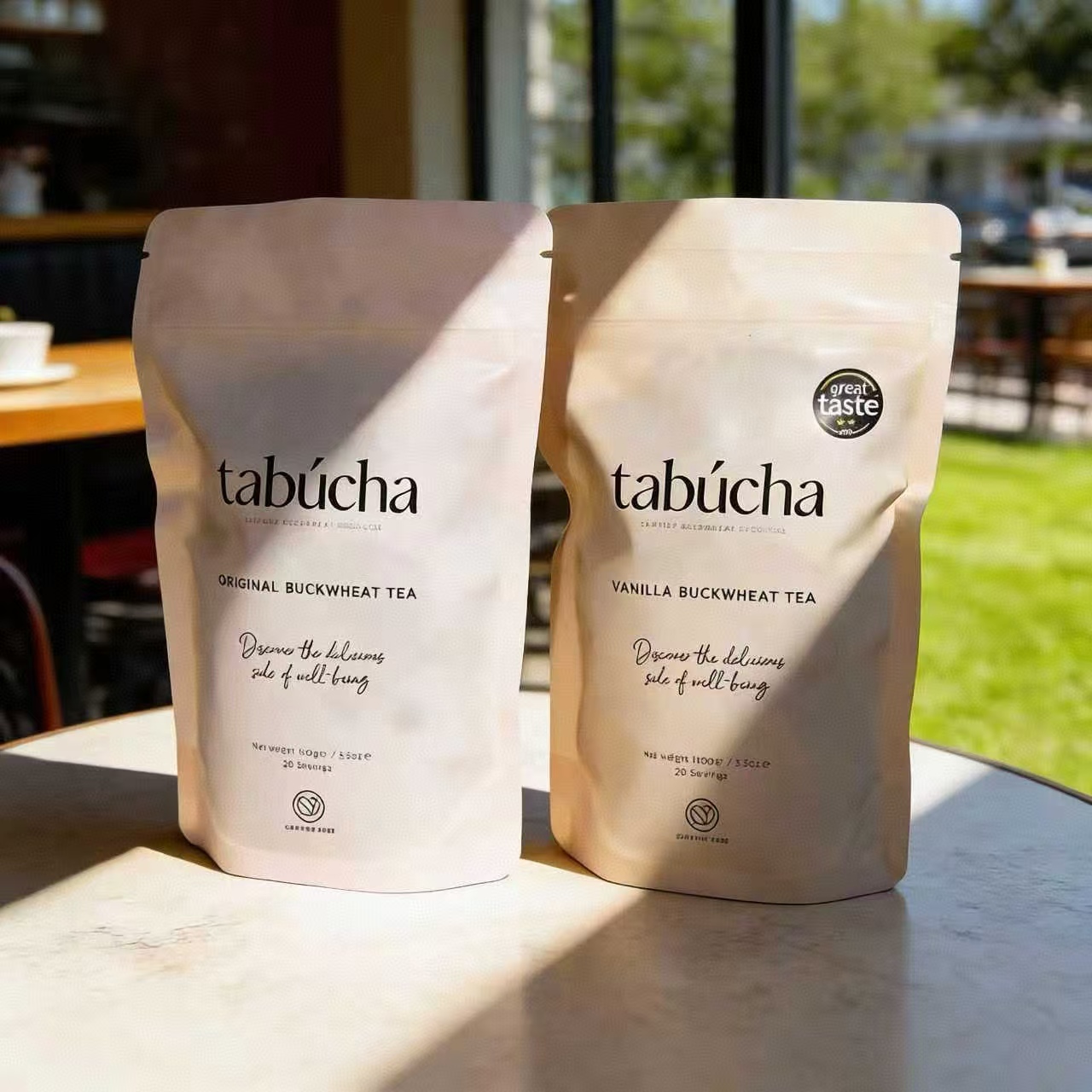
Choosing the right packaging is a crucial decision for any brand. Compared to traditional boxes, jars or tins, custom stand up pouch bags offer numerous advantages. With a modern design, they also bring good results.
Here are the main reasons for the choice of this type of packing for your product:
- Better Shelf Presence:Bags can stand up by themselves. They have good visibility and this makes them easy to find in a crowded shop display. You might say, they are like mini billboards for your brand.
- Better Product Protection: The multi-layer build protects your product. The barrier film we use on our stand-up pouches guards against moisture, oxygen, and light. This makes the shelf life longer and keeps the product fresh.
- Great Branding Space: Your design can be printed all over the face. This means not only
- Easy for Customers: By using resealable zippers and easy-tear cuts, the packaging is made truly user friendly. In the grocery store, customers increasingly prefer bags that keep products fresh after opening.
- Cost and Earth-Friendly Benefits: These pouches are light and flexible. They significantly lower the cost of shipping due to their light weight relative to hard containers. Nowadays there are many suppliers offering recyclable, compostable and other kinds of "green" packaging options.
Understanding Pouch Materials
In regards to product safety, the biggest decision you will need to make for your custom stand up pouch just might be choice of material. A pouch is made by laminating several layers of materials together.
Each layer has its own functions. The outer layer is for printing. The in-between layer is a barrier. The inside layer is free of things such as dyes or inks and used to seal the bag; it's usually virgin plastic of LLDPE. Get the right blend of layers in your laminate, not only can your product be protected, but it will be good looking, too.

Common Material Choices and Their Properties
The most suitable material for your product will be determined by its needs. E.g. a crunchy snack requires a different barrier than ground coffee.
- Polyethylene Terephthalate (PET/VMPET): This plastic is strong and often used as outer print layer. It can be as clear as glass (to see the product inside or more shiny (metalized (VMPET))on top with a better barrier.
- Foil (AL): Aluminum foil offers the best in protection. It blocks out nearly all light moisture, or air. Foil is perfect for things sensitive like medical and/or personalized teas.
- Kraft Paper: There is a huge demand for this material among producers of organic and artisanal products, which gives a rustic sense of nature. Note also that every single sheet of kraft paper must be provided with protection from plastic laminates.
- Linear Low-Density Polyethylene (LLDPE): Material for the inner layer is most frequently LLDPE. It is food safe, flexible and forms a strong seal when heat sealed operationally.
- Recyclable & Compostable Options (PLA): Those brands that wish to build a sustainable image or have elements which are d for biodegrading in nature now have a range of options. These are primarily polyethylene (PE) pouches that can be perpetually recycled and materials like Polylactic Acid (PLA), made from plant starches.
Material Comparison Table

This table helps you compare common materials for your custom stand up pouch bags at a glance.
| Material | Key Property | Best For | Finish Options |
| Clear PET | High Clarity, Good Barrier | Snacks, Mixes (showing the product) | Glossy, Matte |
| Metalized PET (VMPET) | Excellent Light/Moisture Barrier | Coffee, Powders, Supplements | Shiny, Metallic, Matte |
| Foil (AL) | Maximum Barrier Protection | Medical, Sensitive Foods, Tea | Opaque, Matte, Gloss |
| Kraft Paper | Natural, Earthy Look | Organic Foods, Granola, Artisanal Goods | Raw, Matte |
| Recyclable PE | Sustainable Option | Dry Goods, Non-sensitive items | Glossy, Matte |
Step-by-Step Design Guide
Coming up with custom pouches can be a challenge, but doing things the right way is not that impossible! Make sure to stick to a clear process, as it'll help you avoid making choices that can eventually hurt your project. This stepwise guide lays it all out in clear terms.
Step 1: Define Your Product's Needs
But let's start at the beginning; if you don't first understand anything about what you're selling (physical form of a product), then how can you put together packaging for it soundly?
- What is the product? Is it a solid, a powder, or a liquid?
- How sensitive is it? Does it need protection from light, air, or moisture? This will help you choose the right barrier material.
- What is the volume and weight of the product you want to package?
Step 2: Select the Right Size and Shape

Pouch size is defined as width x height x bottom gusset. The gusset is at the bottom of a bag and can be turned up.
Choosing the right size is critical. Too big and a bag wastes material. Too small will not carry your product properly. Always ask for a sample from your supplier to test-fill before you place a large order.
Step 3: Choose Your Materials and Finish
Refer back to the material table to locate the best one that meets your product's needs. After choosing the material, think about the finish.
The finish affects your brand perception greatly. A glossy finish will make the colors appear bright and vibrant. A matte is chic and gives a feeling of luxury. One more variation is that some brands use a spot gloss for a matte pouch to differentiate parts of their design. Suppliers offer a wide range of outer finishes for your custom stand-up pouch to be in line with your brand style.
Step 4: Select Essential Add-On Features
The add-on features improve the customer experience and convenience of the product. Find out what would be most useful.
- Resealable Zippers: These should be included in every item that is used more than once.
- Tear Notches: These are the little cuts at the top that let you get a bag open for the first time.
- Hang Holes: The hole can be round or sombrero-style to hang your pouch from retail displays.
- Clear Windows: A transparent window allows consumers to see the product inside and adds to their confidence.
- Degassing Valves: These one-way valves are vital for fresh-roasted coffee. They let carbon dioxide out without letting oxygen in. Choosing the right custom coffee pouches means understanding this key feature.
Step 5: Prepare Your Artwork
Packaging looks great as long as it's artwork. But a poorly designed piece results in entirely unprofessional work.
Only high resolution images (300 DPI is standard) and vector based logos are to be used. Your printer will provide you with a template called a dieline that shows the cut lines, sealed areas, and a safe zone for your design. We need to ensure everything is kept within the safe zone so important text and logos don't get cut off during printing.
5 Common (and Costly) Mistakes to Avoid

Having launched many brands and products, we've come across many difficulties. If you manage to avoid them all, your product will have a great launch and final packaging.
Here are five mistakes to avoid when ordering custom stand-up pouch bags, which can be quite costly in the long run.
1. Guessing the Size
To order thousands of pouches and then find that they are too small or large for your product is a disaster. It is money thrown away if they are too big; just as importantly, then your product may appear lost inside them all too easily.
Solution: Always get a physical sample pouch from your printer. Fill it with the product you are going to put in there to make sure that it fits perfectly, before you OK full production.
2. Choosing the Wrong Barrier Material
A pouch may be chosen for its looks but wrong choices can spoil products. If your granola goes mouldy or your coffee loses its aroma, customers won't buy it again.
Solution: Fit the barrier material you choose to the individual needs of your product. If oxygen is a problem, the same goes for oxygen! Just use a high barrier material like foils or VMPETs.
3. Submitting Low-Resolution Artwork
Using images or logos culled from the web results in a worn out print. It's kind of like having on dirty clothes and shoes that don't go together, which will make the brands look cheap and spoil them from their roots to a degree unrecognizable to people who previously knew the real thing.
Suggestion: Follow the supplier's artwork guidelines strictly. Use only high-resolution files (300 DPI) and give logos in vector format (.AI or.EPS).
4. Forgetting About the End-User Experience
A coffee bag that doesn't seal properly after opening can leave the beans stale on the fifth day. This little thing may affect his perception of whether your brand is good or not.
Solution: Imagine your customer using the product from beginning to end. On multiple-use items, make a tear notch, and if packaging is suitable, then put in a zipper.
5. Misunderstanding Lead Times
Many brands wait too long to order packaging and risk delaying their product launch. The process for creating custom printed stand-up pouches involves multiple steps that take time.
Solution: Ask about lead times upfront and plan your order well in advance. Factor in time for design, proofing, production, and shipping.
Your Partner in Packaging Success
In essence, custom stand-up pouch bags are more than a mere storage solution but rather part of a strategy to market your brand. They are an effective marketing tool that narrates your brand's story. Their actions are also that of a quality guardian of your product and they build a direct link between the customer and your brand.
Thoughtful planning about your product's requirements, materials, features, and design will lead you to producing eye-catching equipment. Joining hands with an experienced partner will make all the difference. A full-service supplier providing an array of choices from coffee bags to pouches for every industry is the best path to take.
Frequently Asked Questions about Custom Stand Up Pouch Bags
MOQ is based upon the producer type and the print techniques used to print your packaging. The lowest MOQs are commonly seen with digital printing, maybe going to 500 units or so. This kind of economy is suited to small business or products just starting out on their market life. However, as for traditional rotogravure printing, it basically asks for two orders of magnitude larger numbers, such as 5,000 or 10,000 units. In this case, surely the unit price the more that must be checked up greatly needed on large quantity orders?
Yes, if they are constructed properly. Reputable manufacturers use food-grade materials and offer inks that are FDA compliant. The inner layer in contact with the food is usually a virgin plastic like LLDPE. That's food contact safe. Always ask your supplier to show you their food safety certifications.
Normally, it's 4 to 8 weeks after the final artwork is approved. Naturally, this depends on both the print process in use and the location of your pouch manufacturer. That time mainly includes parts for proofing, printing, laminating the materials and cutting and forming the finished pouches.
Most of the suppliers have a sample provision. A "stock sample" is a pre-made pouch that the client gets in order to evaluate the size, material, and features. A "custom prototype" with your own artwork is sometimes possible. But it may have a high setup fee because it requires starting the production process just for one sample.
Digital printing functions like a really sophisticated office printer. It is superb for small orders, the use of multiple designs, and quick turnarounds since it does not need printing plates. rotogravure printing employs metal engraved cylinders for each color. It is more expensive at the beginning due to cylinder costs, but it produces great quality prints and the lowest price per bag.
SEO Title: Custom Stand Up Pouch Bags: Complete Brand Guide 2025
SEO Description: Discover everything about custom stand up pouch bags for your brand. Learn benefits, materials, design tips & common mistakes to boost sales.
Main Keyword: custom stand up pouch bags
Post time: Dec-18-2025


