


The Roaster's Playbook: How to Balance Cost and Sustainability in Coffee Packaging
As a coffee roaster, you struggle with a difficult choice day in and day out. How do you choose packaging that reduces waste for the planet — and your bottom line? It’s as if your wallet battles your ideals.
We want to help you. It’s a perennial issue in the industry. The great news is that you don’t have to choose just one. You can find a smart balance. In fact, it can give you a leg up over your competition. This guide will assist you with finding the balance between cost and sustainability in coffee packaging, step by step.


Why the "Cost vs. Sustainability" Debate is a False Choice

Thinking of packaging as simply a cost is a thing of the past. Your coffee bag is a powerful tool right now. It enables you to engage with customers and develop a stronger brand. A good choice is positive for your future.
The Modern Coffee Consumer's Expectation
And today’s coffee drinkers care where products come from. They also have a concern for what happens to the packaging so long as the coffee is not there. They are looking to support brands that reflect their values.
According to studies, customers are often willing to pay more for sustainable products. This is, after all, important, since packaging waste is a huge problem. Some studies suggest coffee packaging waste accounts for over 30% of landfill plastic in the United States Consumers know this. They want better options.
From Overhead Cost to Brand Asset
It’s hard for most new customers not to see your packaging first. It’s an opportunity to have a dialogue with them before they’ve sipped the coffee. Sustainable packaging isn’t just the thing that holds beans.
- It shows what your brand stands for.
- It builds loyalty with customers who care.
- It can help justify higher prices for quality coffee.
When you figure out how to balance economy and sustainability when it comes to coffee packaging, you transform a cost into one of your most powerful sales tools.
Strategic Pillars for Balancing Cost and Sustainability
Once this problem is decomposed, it becomes easier to solve. We can concentrate on three key points. They are the materials you work with, your bag design choices, and how you handle orders. These three pillars are so important to get right.
Pillar 1: Smart Material Selection
Your choice of bag material is the most important decision you will make. It’s the one with the largest human and environmental impact. Previously, many bags were made from multiple layers of various materials. This rendered them non‐recyclable.
Today, there are much better options. One of the best ways to find balance is by switching from complex, multi-layer laminates to mono-material packaging. Mono-materials are made from one type of plastic, like polyethylene (PE). This makes them easy to recycle in many local programs.
Here is a simple table to compare common options:
| Material | Average Cost | Sustainability Profile | Key Consideration |
| Mono-Material PE | $$ | Recyclable | Great for freshness and widely recyclable. |
| Kraft Paper w/ PLA | $$ | Compostable (Industrial) | Has a natural look but needs a special facility to break down. |
| Biotre® | $$$ | Compostable | A premium, plant-based option with a higher price tag. |
| Traditional Foil Bag | $ | Landfill | Lowest cost but offers no sustainable end-of-life option. |


Pillar 2: Efficiency in Design
You might even save money and reduce waste with a design that’s too clever for the Germans. To make a statement, you need not sleek design.
A minimalistic design approach is a win-win. Using less ink and fewer colors lowers printing costs. It also makes the bag easier to recycle. This is better for the environment.
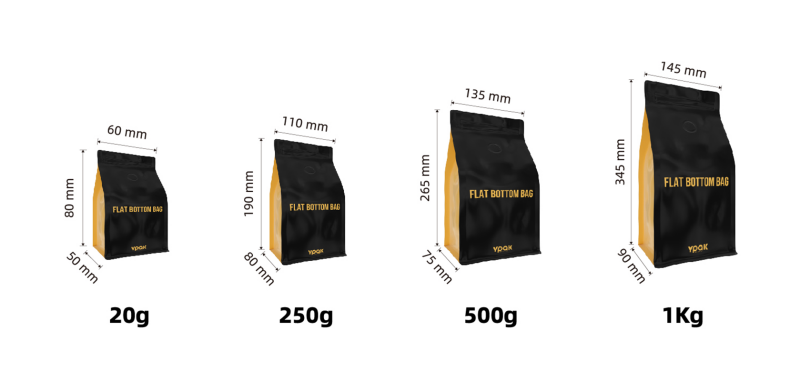
You’ll also want to spend some time right-sizing your packaging. You don't want your 250g bag to be big enough to store 350g of coffee. Wasted material means wasted money. Smaller, lighter bags are also cheaper to ship. This adds up over time.
Finally, consider designing a bag that the customers would love to keep and reuse. A pretty, durable bag can hold other kitchen items. It means your brand has a longer life in your customer’s home.
Pillar 3: Operational Savvy
The third piece is how you buy and hold your packaging inventory. Smart operations can reduce your per-unit cost greatly.
Buying in bulk is the popular choice here. The more bags you buy in a single purchase, the cheaper each bag will be. This, to be sure, calls for more cash up front and more storage space. You have to find the right line for the cash flow of your business.
A more sophisticated approach is to look into refill or subscription-type systems. Doing a discount for customers who return their reusable tin for a refill can make a big difference in how much packaging you go through. With subscription models, you can also more easily forecast inventory and generate predictable revenue.
Your 4-Step Framework for Making the Right Choice

Feeling overwhelmed by options? You can be on your way to finding perfect packaging with a straightforward, four-step method. We employ this framework with roasters constantly. Grab a pen and paper. Let's begin.
Step 1: Audit Your Current State
First, you need to know where you stand. Answer these simple questions:
- How much are you paying for each bag right now?
- How many bags are wasted due to damage or spoilage?
- What do your customers say about your current packaging? Do they find it easy to use and dispose of?
Be honest with your answers. This information is your starting point.
Step 2: Define Your "Sustainability"
Sustainable can mean many different things. What is the single most important goal for your business?
Is it recyclability? This is an awesome goal if customers have local recycling programs readily available.
Is it compostability? This appeals to certain customers. The catch is they only work if a person has access to an industrial composting facility. Home composting solutions are less common for the high-barrier coffee bags.
Or are you primarily aiming to minimize waste? If so, a refill system could be the best option to consider. Pick the target most practical for you and your clients.
Step 3: Model the Financials
Now let’s turn to the numbers. Seek quotes from suppliers for two or three new packaging proposals. These should satisfy the goal set in Step 2.
Don’t simply compare the unit price of the bag. Think about the whole picture. Will the new bag weigh less and will I save money in shipping? Do you think your shop will have to do more or less to fill the bags (and seal them)? Could you raise your coffee price 5% with this new, upscale packaging? Crunch the numbers to understand the real cost.
Step 4: Test and Learn
You don’t need to change everything at once. This is a big decision. It's smart to move carefully.
If what you feel most confident about is only available in a small batch, order some. Put it to work for one of your best-selling coffees. See how it performs. Refer your best customers to them. Will it keep the coffee fresh? Do they know how to throw it out? You can use this test run as confidence to make a full switch.
Calculating the True ROI of Sustainable Packaging

Figuring out how to balance cost and sustainability in coffee packaging goes beyond the price of the bag. A smart choice delivers return on investment (ROI) in many ways you might not have considered. It's possible to satisfy both—when you choose the right materials, suppliers, and strategies.
The true return includes:
- Increased Customer Lifetime Value: Customers who believe in your mission will stick with you for years.
- Brand Differentiation: In a sea of coffee brands, a unique, sustainable bag helps you get noticed.
- Risk Mitigation: Governments may create new rules against single-use plastics in the future. Making a change now puts you ahead.
- Team Morale: Your employees will be proud to work for a company that cares about its impact on the world.
Choosing the Right Packaging Partner: A Critical Step


You cannot achieve this balance alone. The supplier you choose is more than just a vendor. They are a partner in your success.
What to Look for in a Supplier
A great partner understands the unique needs of the coffee industry. They know that a bag must protect beans from oxygen and light. They can guide you on options for degassing valves and zippers.
When you talk to potential suppliers, ask them these questions:
- Do you have any certifications, like B Corp or FSC?
- What are your Minimum Order Quantities (MOQs)?
- Can I get samples to test with my coffee?
- Do you have a full range of sustainable coffee pouches and coffee bags?
Finding a reliable supplier is the foundation of your packaging strategy. A good partner, like YPAK COFFEE POUCH, can walk you through material options. They help you find the sweet spot between your budget and your green goals.
FAQ: Answering Your Top Questions on Coffee Packaging
Not always. The 'right' decision is based on the waste services offered to your patrons. If your city has an excellent recycling program but no industrial compost facility, the recyclable bag is the more pragmatic and environmentally sound option. Read and reread and imagine what it will actually be able to finish its end-of-life in.
No, not with today's materials. Today’s options, such as high-barrier mono-material PE and bags with a specially designed plant-based liner, are made to protect coffee. They are just as effective at repelling oxygen, moisture and light as old-school foil bags. Always request samples from your supplier to test the goods yourself.
This is a very common hurdle. The first step is to find manufacturers who specialize in servicing small companies and also have low MOQs. Another excellent tactic is to begin with stock bags and use the personal touch of your own custom labels. This allows you to purchase the bags at a reduced bulk price. You can print labels in smaller, less expensive batches as you rewrite history.
Yes, it does. You will want to avoid standard inks and opt for water-based or soy-based inks. They have far less environmental impact. These are the types of inks that a bag must utilize, if it is to be certified as compostable. It’s an important consideration to have with your packaging partner.
Be clear, simple, and honest. Put familiar symbols, like the traditional recycling logo, on the bag. Write a simple instruction like “This Bag is 100% Recyclable.” You might also explain the reasoning behind your choice on your website or social media. A little insert card inside your shipping box is another excellent way to let them know why you chose what you did for packaging. It also walks customers through the proper way to dispose of it.
Post time: Jan-05-2026


