


A low unit price can be the costliest line on a wholesale order. The figure may be based on a different material, may not include a valve or zipper, or may require more bags than the brand can use before the artwork changes. None of those differences is visible when a buyer compares only the final price column.
Buying coffee bags wholesale is therefore not simply a request for a lower price, but a purchasing and inventory decision. The useful number is the cost of receiving bags that meet the approved specification, run through the filling process and remain usable within the intended selling period.
Related reading: coffee packaging options for wholesale orders
Have All Suppliers Quote the Same Bag.
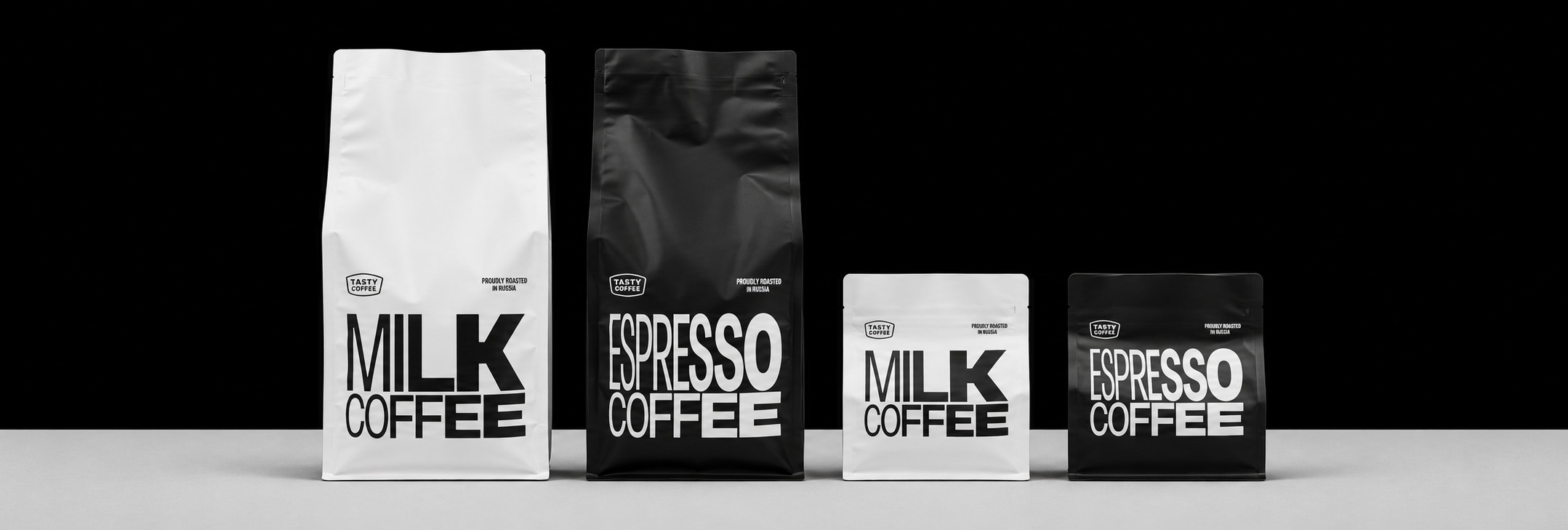
Start with a written brief that defines the pouch style, finished size, material construction, fill weight, valve, closure, printing process, order volume and delivery location. If one quotation includes a printed flat-bottom bag with a zipper and another includes only a plain side-gusset bag without a valve, the prices are not competing offers.
Dimensions should be checked with the actual coffee. The volume occupied by the same net weight can vary depending on bean size, grind state and roast development. An approximate measurement such as 12 ounces or 1 kilogram can start the discussion, but a filled sample and approved drawing should establish the final size.
Read the Commercial Terms Behind the Unit Price.
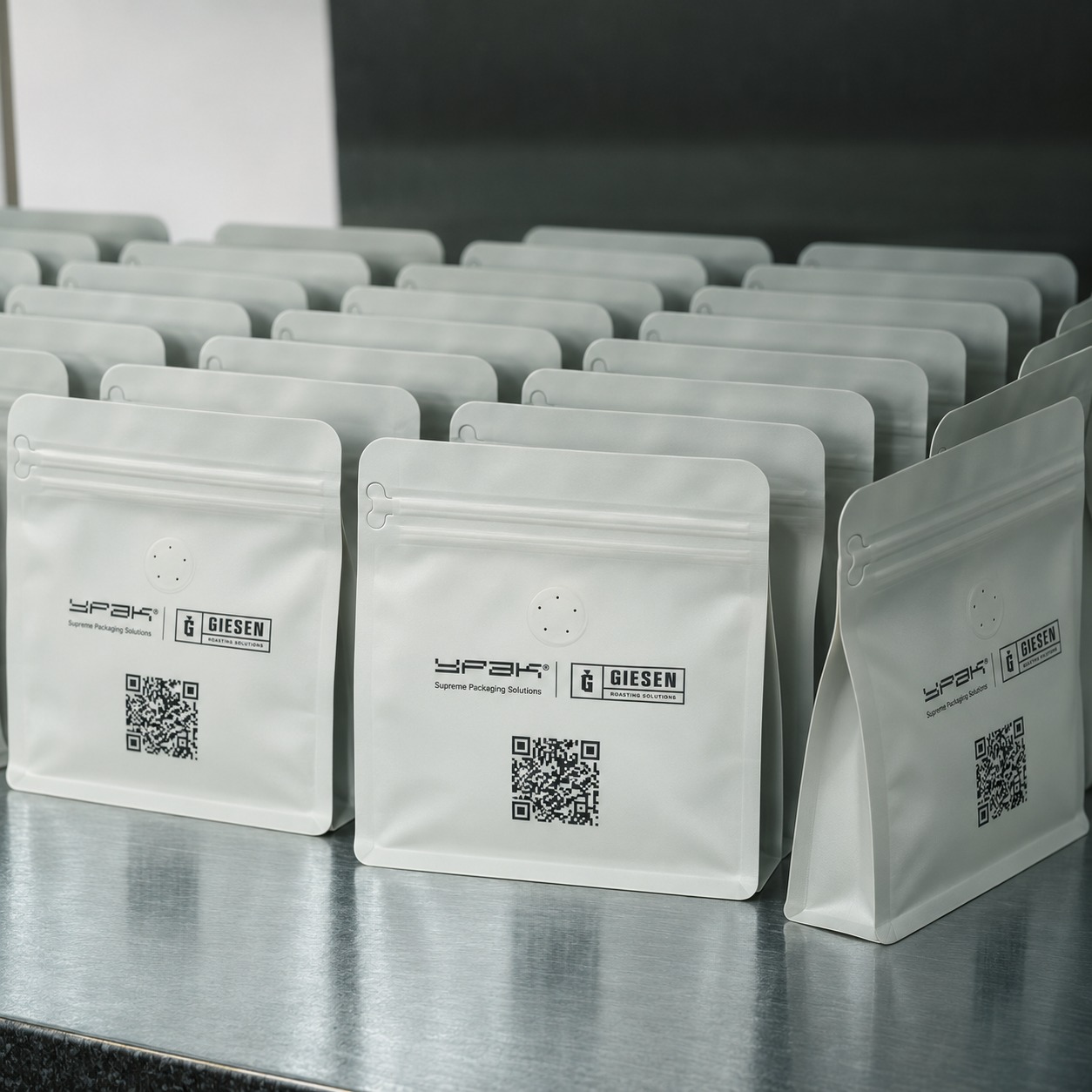
Ask which expenses are included before calculating a saving. Artwork preparation, printing plates or cylinders, samples, inspection, pallets, freight, duties and local delivery may not be included in the quoted bag price. Determine the delivery term used in the quotation and separate one-time charges from expenses that will occur on every order.
The buyer should also count work done after the bags arrive. Applying labels, adding valves by hand, sorting inconsistent bags or performing an additional closing process all consume labor. A printed bag may remove some of that work, but it also commits the buyer to a design and quantity. The comparison should end with a packed product ready to ship, not at the supplier’s factory premises.
Purchase an Amount the Business Can Use.
Convert the proposed order into weeks or months of demand for each SKU. Core coffees, seasonal releases and trial products do not always sell at the same rate. A price break on a larger order is not a saving when slow-moving bags remain in storage after a recipe, label statement or brand design changes.
When demand is unpredictable, stock bags can be practical. A controlled labeling system enables a brand to test a roast without ordering a long run of printed bags. When the specification, artwork and sales pattern are stable enough to support a commitment, custom bags become more practical. The decision should be based on forecast confidence, not a general rule that one format is always more cost-effective.
Include Lead Time in the Cost Decision.
A quotation should state when production time begins. Artwork approval, sample confirmation, deposit receipt and material availability may all occur before that date. Transport time should be shown separately so the buyer can determine a realistic delivery window and reorder point.
Running out of bags can lead to emergency freight, temporary labels or a substitute construction. Those actions can erase the saving from a lower initial quote. Excessive inventory creates the opposite problem because it ties up cash and increases exposure to artwork changes. A workable reorder plan balances both risks.
Approve Physical Evidence Before the Run.
A digital proof confirms text, images and general layout. It does not prove that the finished bag opens correctly, accepts the target coffee, seals on the production equipment or stands as intended. Review a physical construction sample and, when print color is important, specify what will be accepted as production-intent color evidence.
The purchase record should identify the drawing, material, features, artwork version and measurable tolerances that matter to filling and display. It should also describe lot inspection and the records supplied with shipment. Keeping that approval package makes the next order repeatable and gives both parties a common reference if the result is questioned.
Three Checks Before the Purchase Order Is Issued.
Are the quotations based on one controlled specification?
If the dimensions, structure, features, quantity or delivery basis differ, normalize them before comparing the prices.
Will the order be used before the packaging becomes obsolete?
Compare the quantity with demand by SKU, expected artwork life and the time required for a future reorder.
Has the bag been tested with the actual coffee and filling procedure?
Approve more than the artwork. Check the physical construction, filled dimensions, closure, final seal and handling result.
Post time: Nov-13-2026


