



Customers are introduced to the package before they smell or taste coffee. It has just a few seconds on a retail shelf to help them recognise the brand and understand the product. Once bought, the same pack should get through transit, preserve the coffee and be convenient to open multiple times.
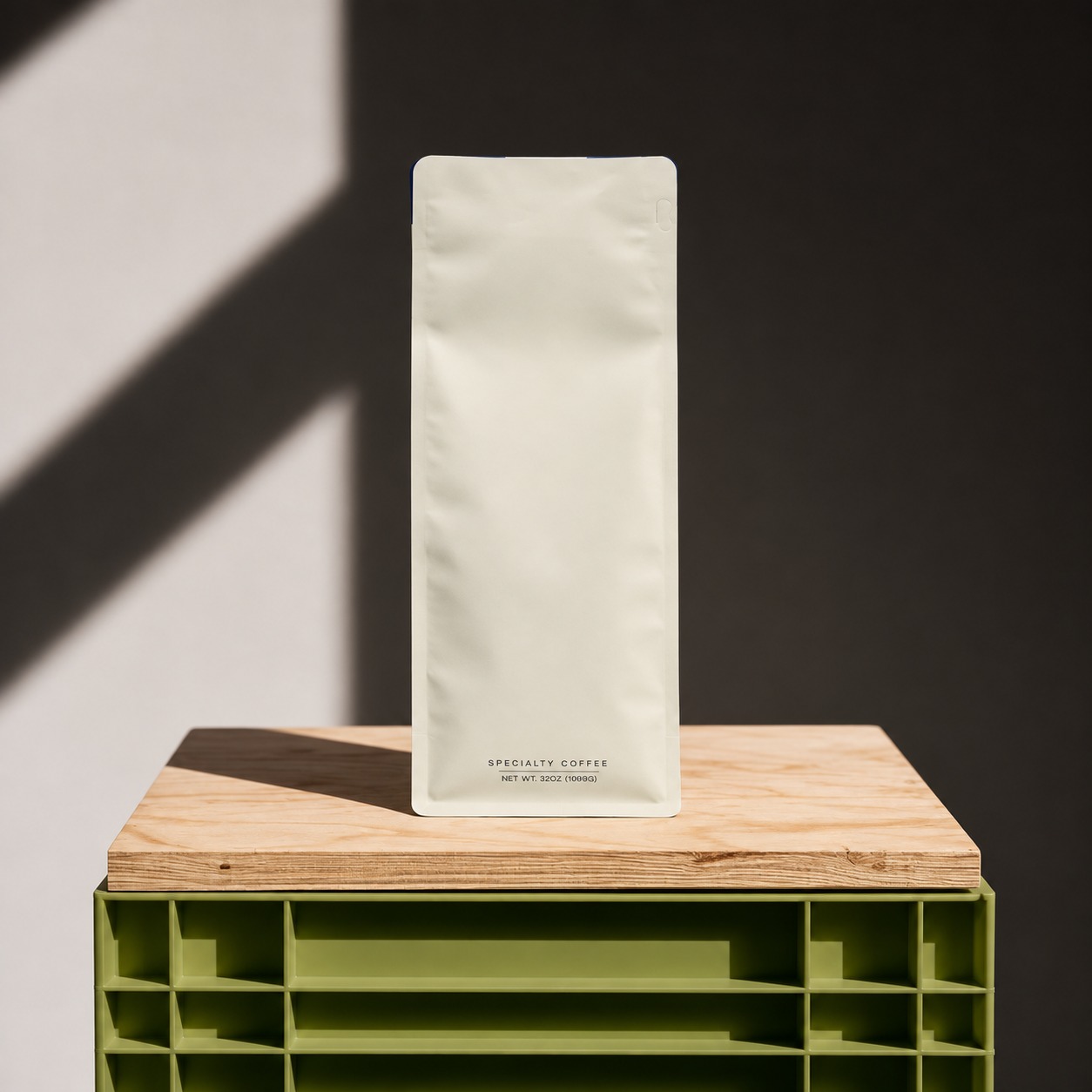
Coffee packaging is both a product choice and a design choice. The most compelling concept establishes the minimum protection requirements first, followed by format, information and finishes that articulate the brand within the channel in which the coffee will actually be sold.
Related reading: coffee packaging solutions for different brand needs
Establish the Protection Baseline at the Front Panel Design Stage.
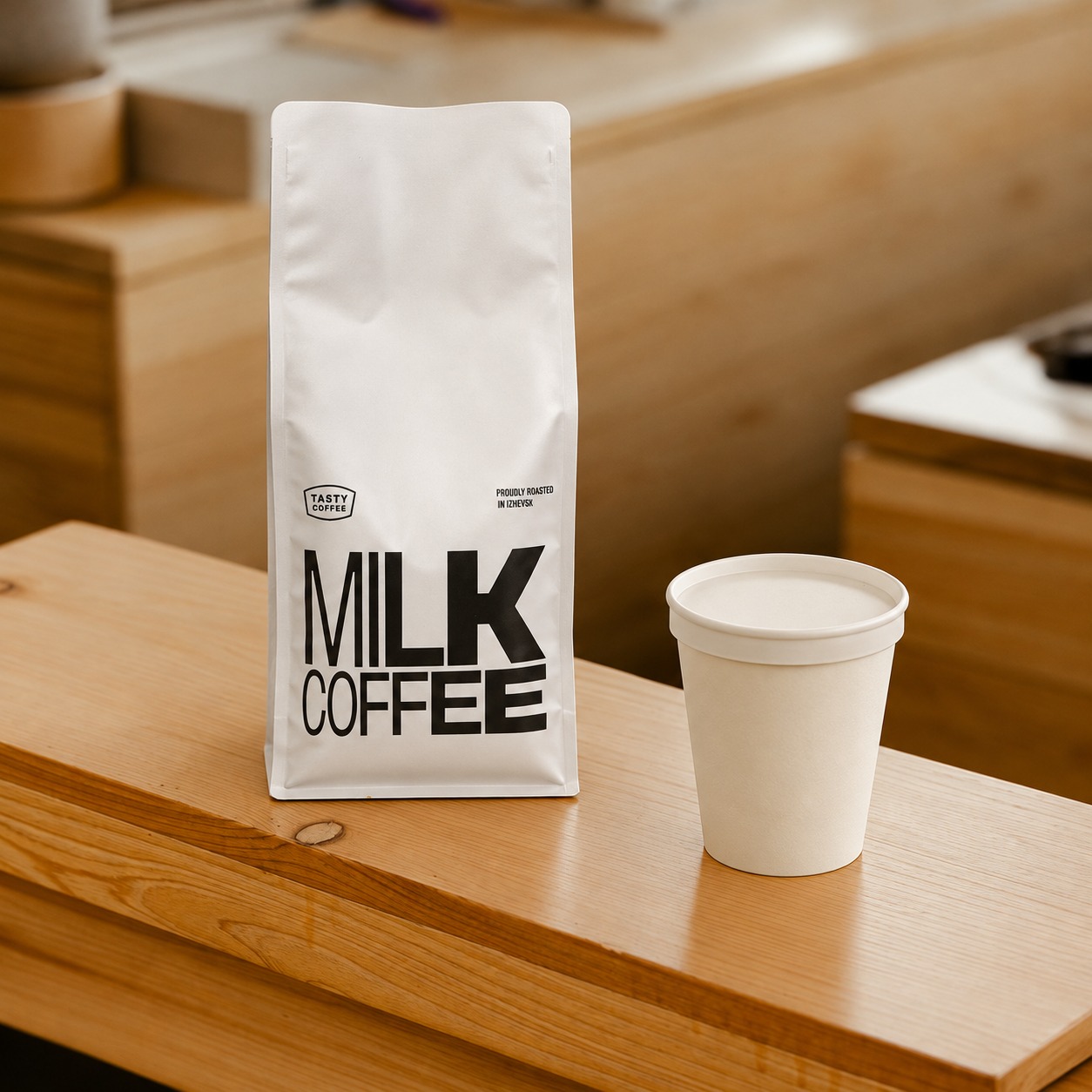
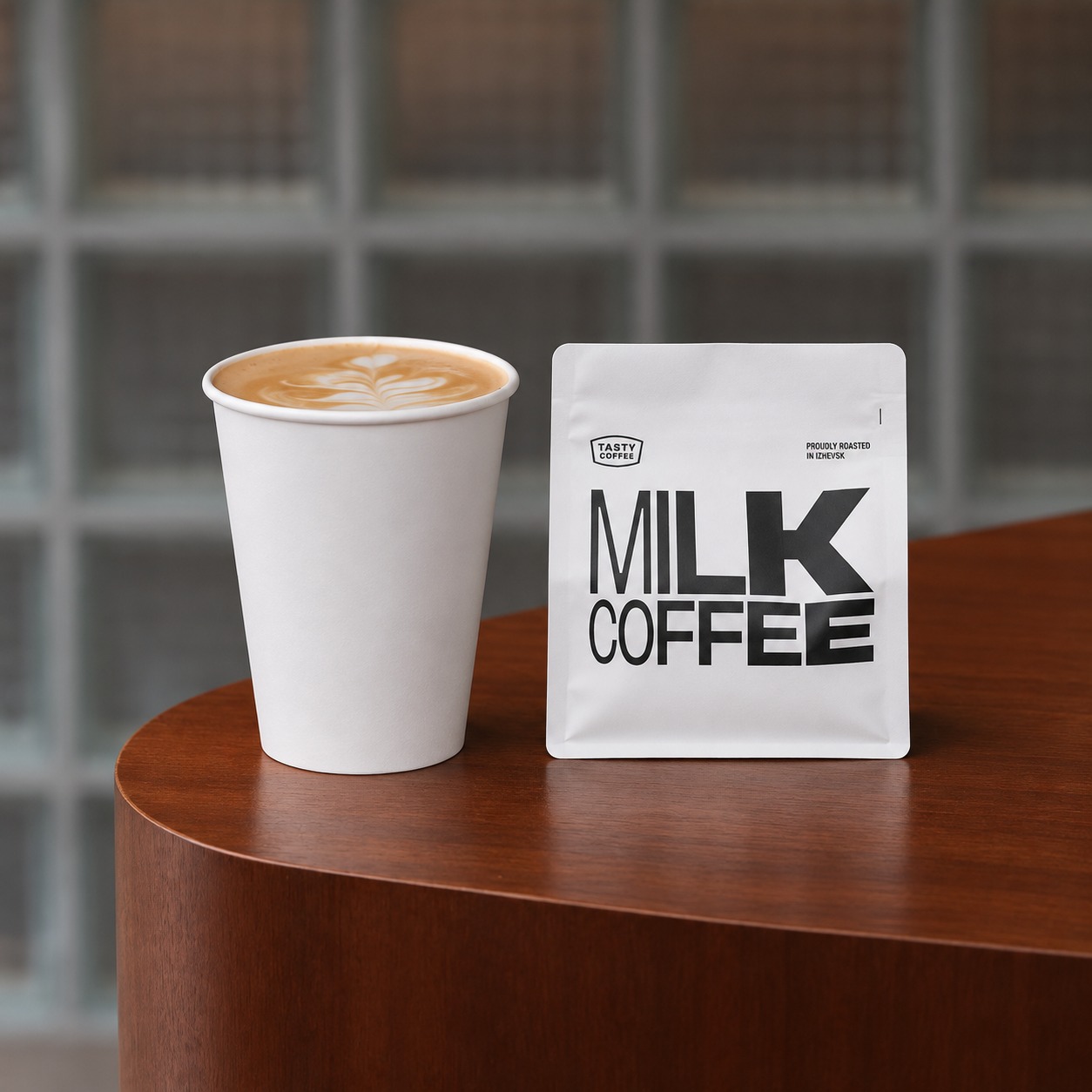
Start with the coffee format, fill weight, packing date, distribution route and intended shelf life. These facts determine the necessary barrier, sealing method and the need to manage gas after filling. They also prevent approval of a visual idea on a structure that is wrong for the product.
List the basic terms of the baseline: what the pack has to protect against, how the pack is going to be filled, the distribution route and the way the pack will be used by the customer. Designers may work within actual seal areas, gussets, zipper placements and variable-code regions instead of recreating the artwork later in the project.
Design for the Location of Sale.
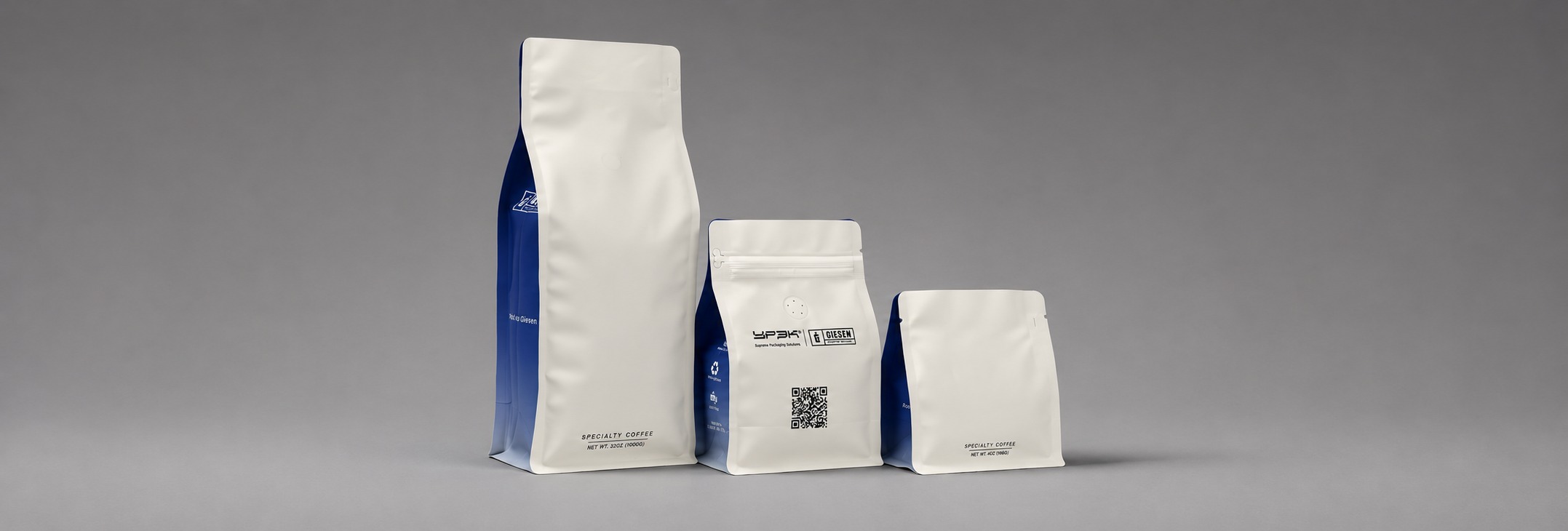
A bag on a busy grocery shelf must be identified quickly from several feet away. In a roastery, a bag can support a longer dialogue with staff. An online listing should be recognisable as a small image, and a subscription package should arrive looking intentional after parcel handling. Not all channels will be well served by one design hierarchy.
Select the main sales area and explore the package within this area. For retail, place competing bags next to the concept. For e-commerce, make the product image the size used on a phone. For wholesale coffee, check carton efficiency, case labels and the information a café operator requires when multiple bags are stored together.
| Sales channel | Packaging priority | Useful design check |
|---|---|---|
| Retail shelf | Awareness and distinct product differences. | See the filled bag with competitors. |
| E-commerce | Readability in small pictures and secure delivery. | Review thumbnails and parcel fit. |
| Roastery or café | Story, touch and staff explanation. | Test handling and front-counter display. |
| Subscription | Consistency in unboxing and convenient reclosure. | Prepare and ship a complete trial order. |
| Wholesale | Durability, coding and storage readability. | Check case labels and back-of-house use. |
Give the Front Panel One Clear Job.
A customer should be able to recognise the brand and identify the coffee without searching through every panel. Choose what will lead: the brand, origin, blend name or another product cue. Then place roast details, tasting notes and net weight in a supporting order.
Move longer stories and preparation details to the back or side. Allocate a regular space for a roast date, lot code or variable label. This will decrease clutter and allow future coffees to be added without revamping the entire system.
Use Format and Finish to Reinforce the Positioning
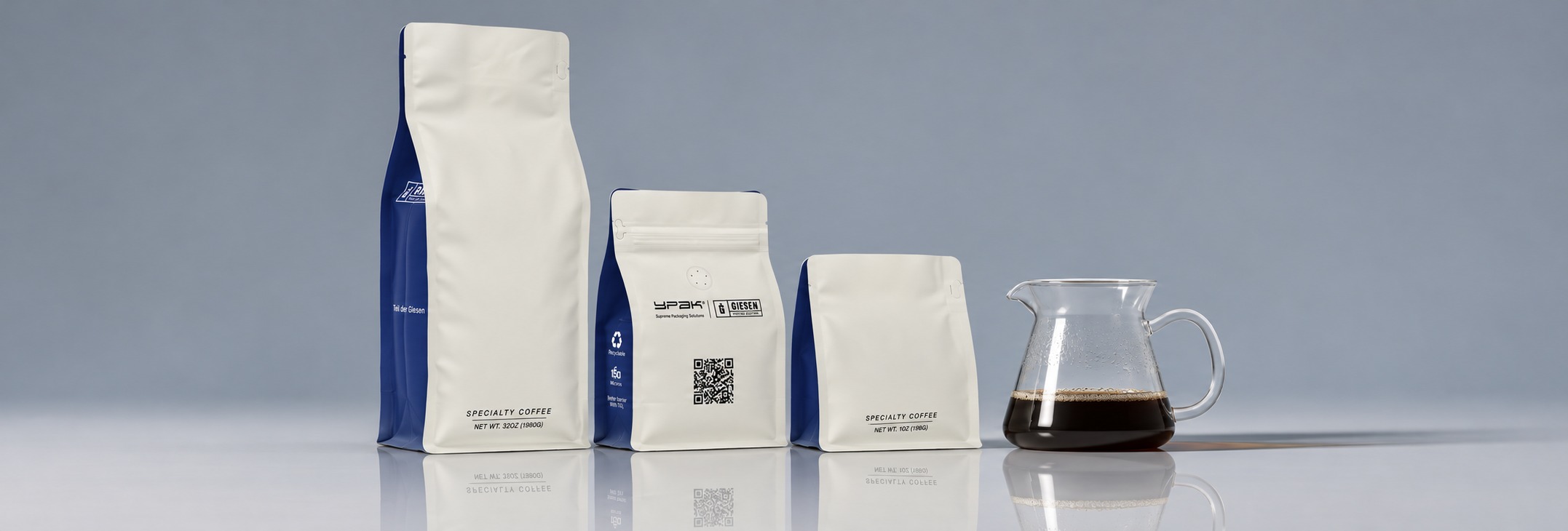
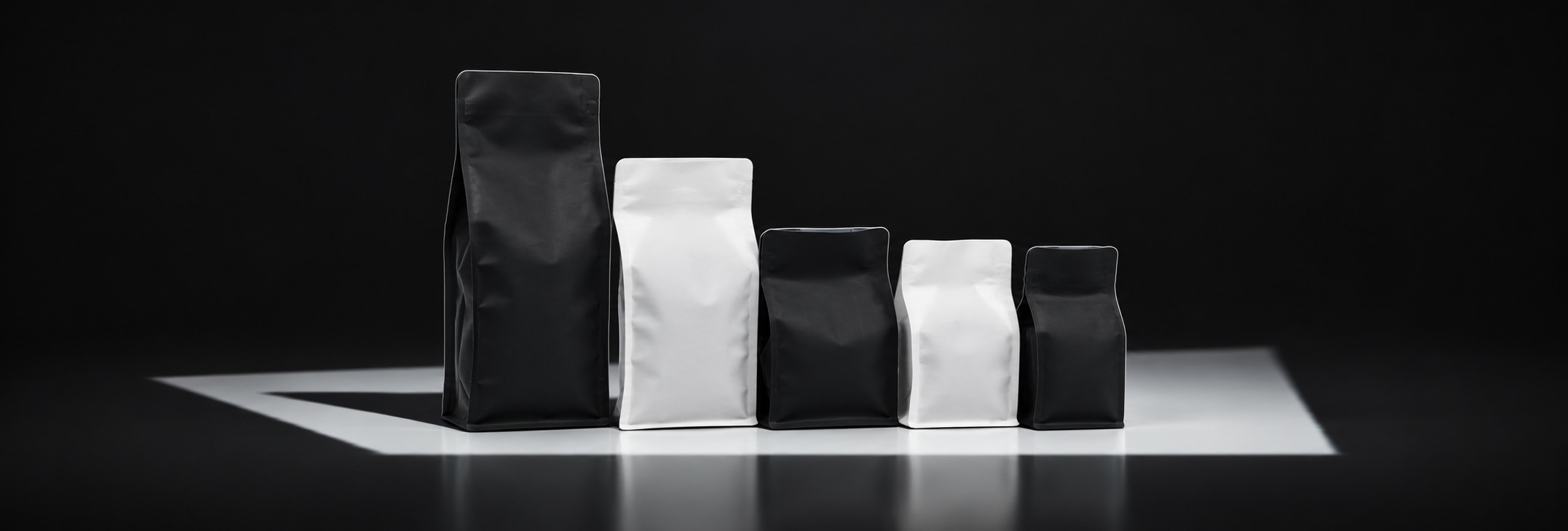
A flat-bottom bag can create a structured display with multiple printable panels. A stand-up pouch may be less complicated and can frequently be effective with smaller amounts. A side-gusset design can accommodate a classic coffee display or larger fills. The format must still pass filling and shipping tests before being included in the visual identity.
Matte film, kraft texture, metallic ink, hot stamping and spot effects can all alter perception, but stacking finishes does not necessarily make a package premium. One or two treatments should be selected to support the desired character and remain consistent throughout the product range.
Related reading: compare YPAK coffee packaging products
Preplan the Range Before Selecting the Printing Route.
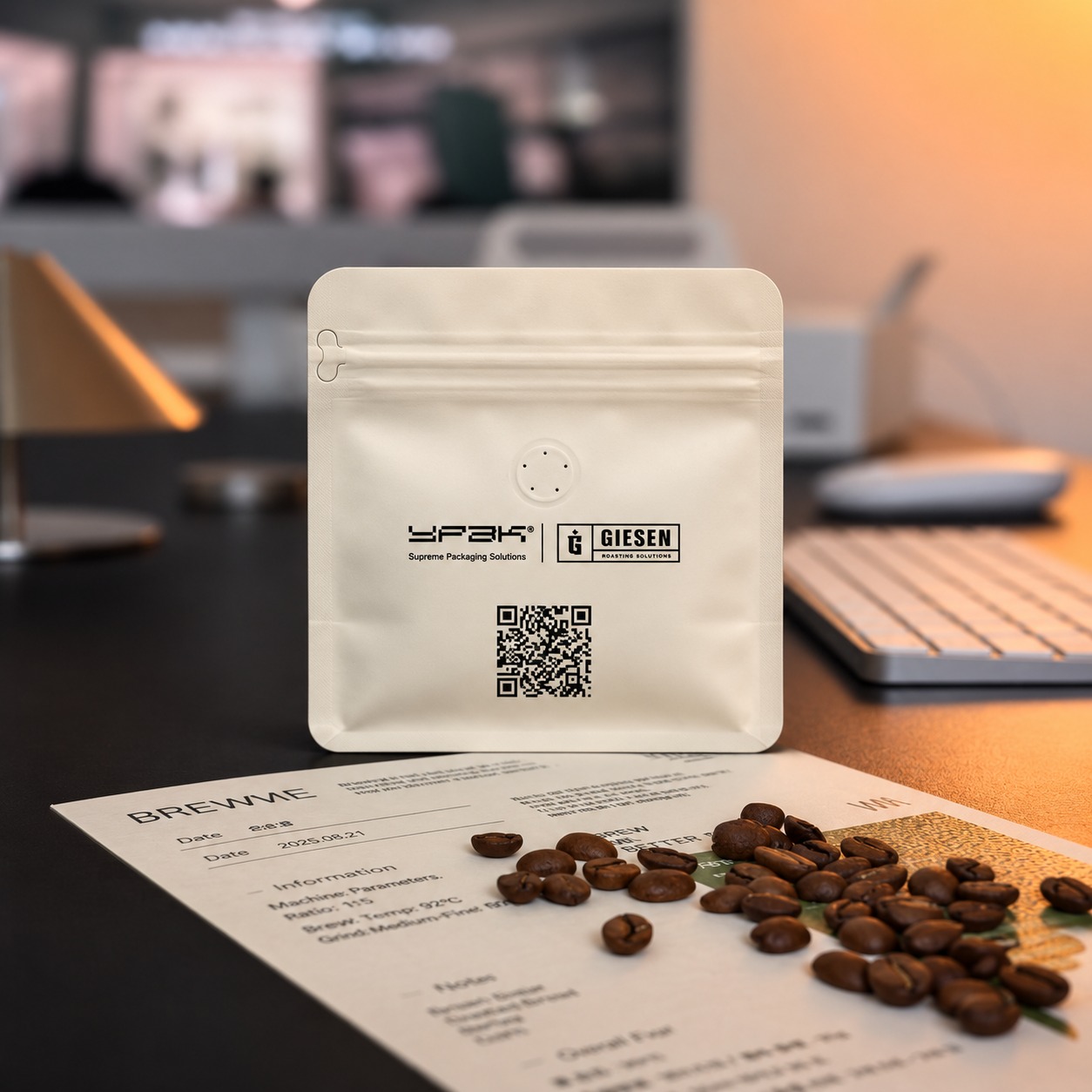
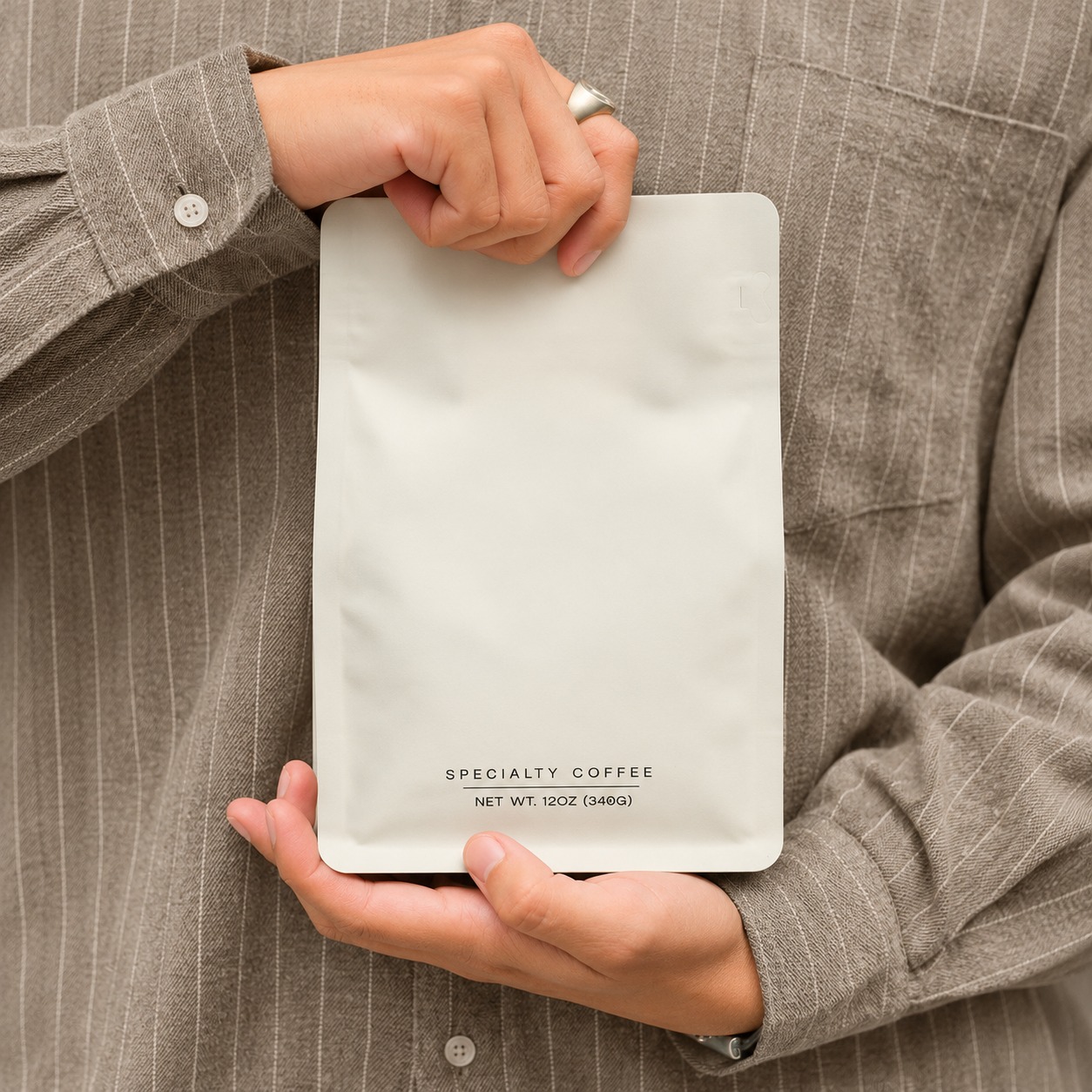
An all-year core blend and a rotating single-origin series place different demands on printing. The main product can warrant a larger, highly repeatable run. Seasonal coffees require flexibility, as every piece of artwork uses a smaller quantity. The print route should be determined by the number of designs, reorder frequency and color control.
Create common elements across the whole system: logo placement, type hierarchy, code area and panel structure. Leave the origin, color or image open where customers expect to see variety. The result can feel related without turning all SKUs into almost the same template.
Compose Sustainability Statements That the Pack Can Justify.
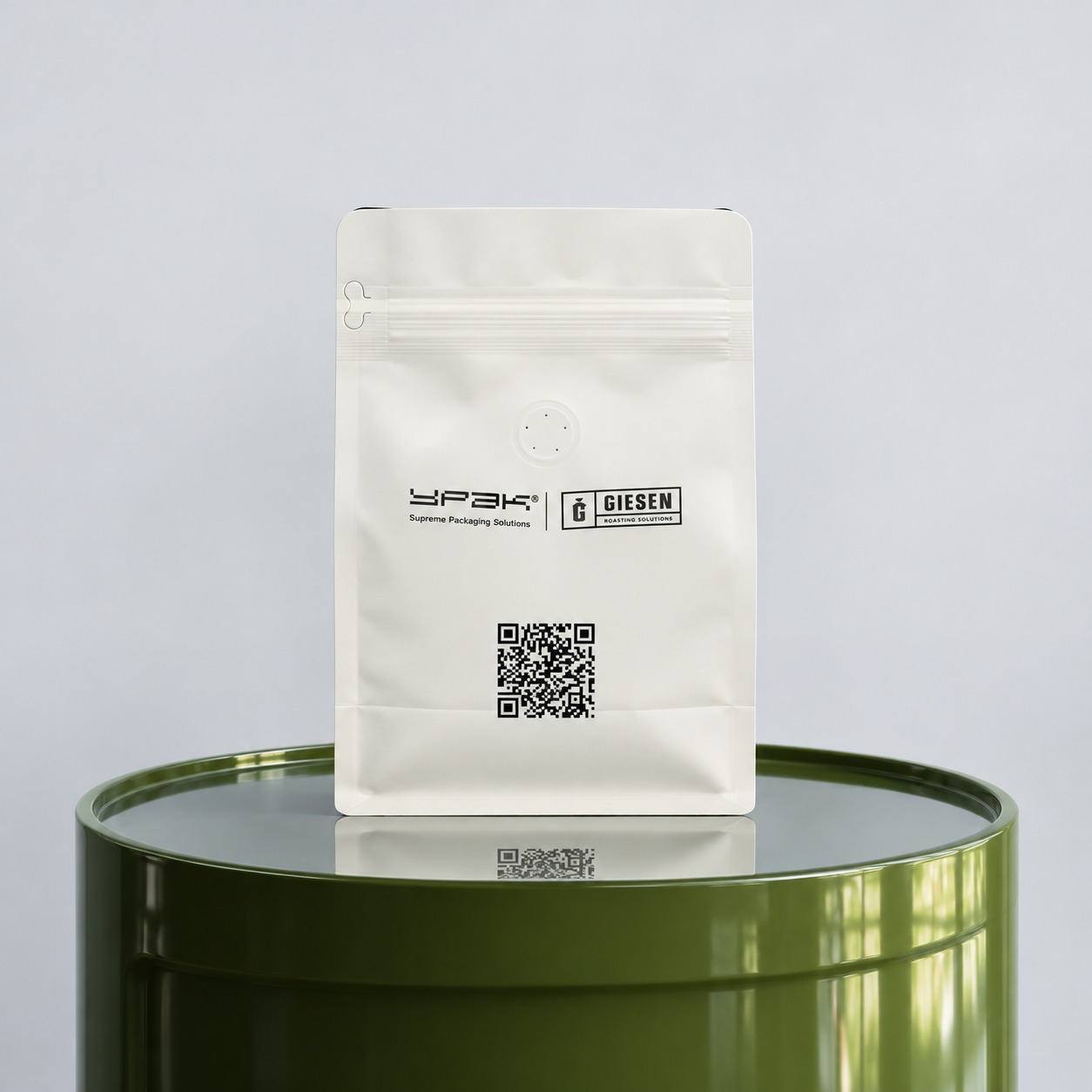
Recyclable and compostable are terms that depend on the entire structure and the systems present in the target market. Claims may be affected by valves, zippers, labels and coatings. Request documentation and determine what customers should do with the empty pack before placing environmental language on the artwork.
A performance review is also required when changing the material. It can alter stiffness, seal settings, barrier or print quality. A claim is useful only when the finished package protects the coffee and the disposal information is correct for the market where the package is sold.
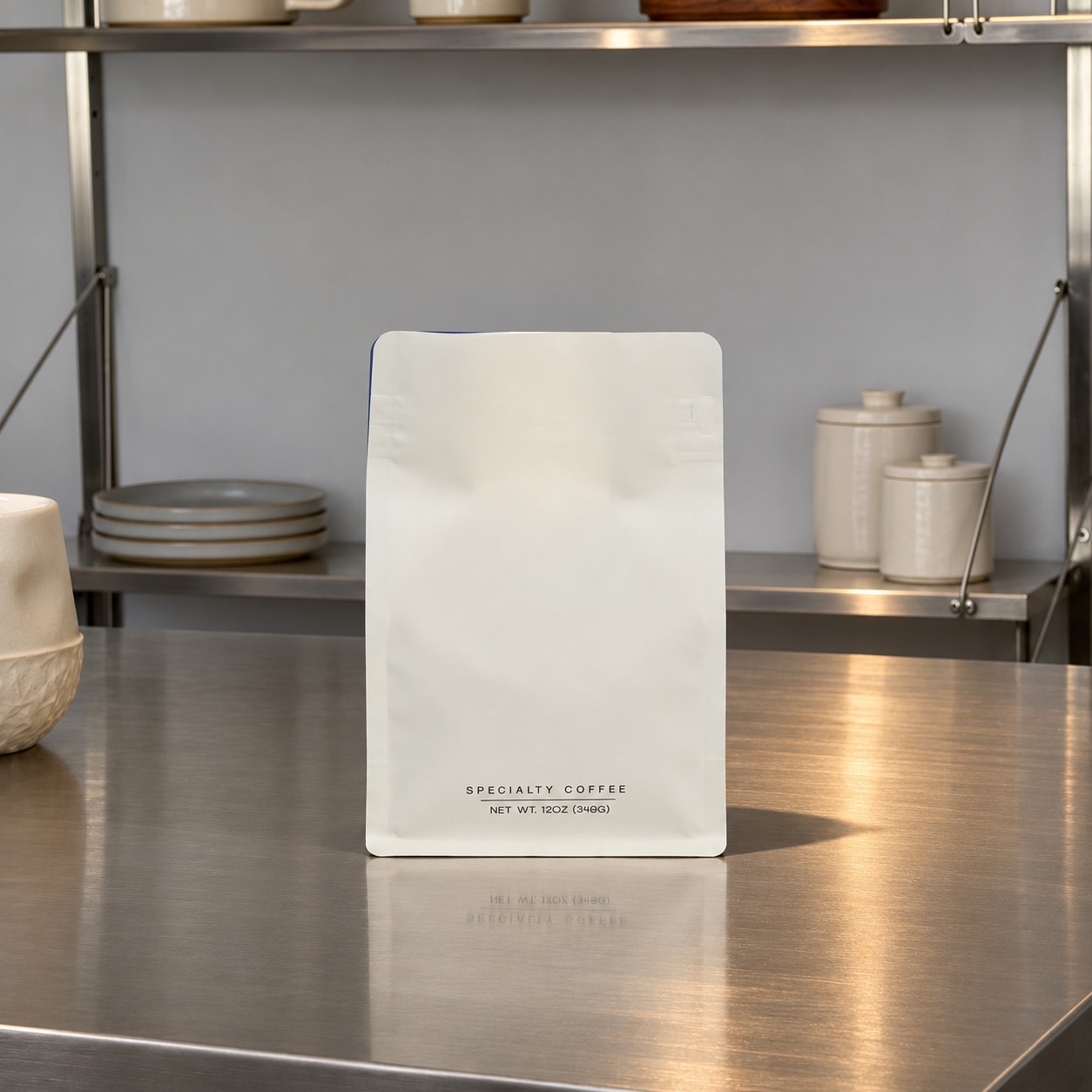
Approve the Filled Package in Context.
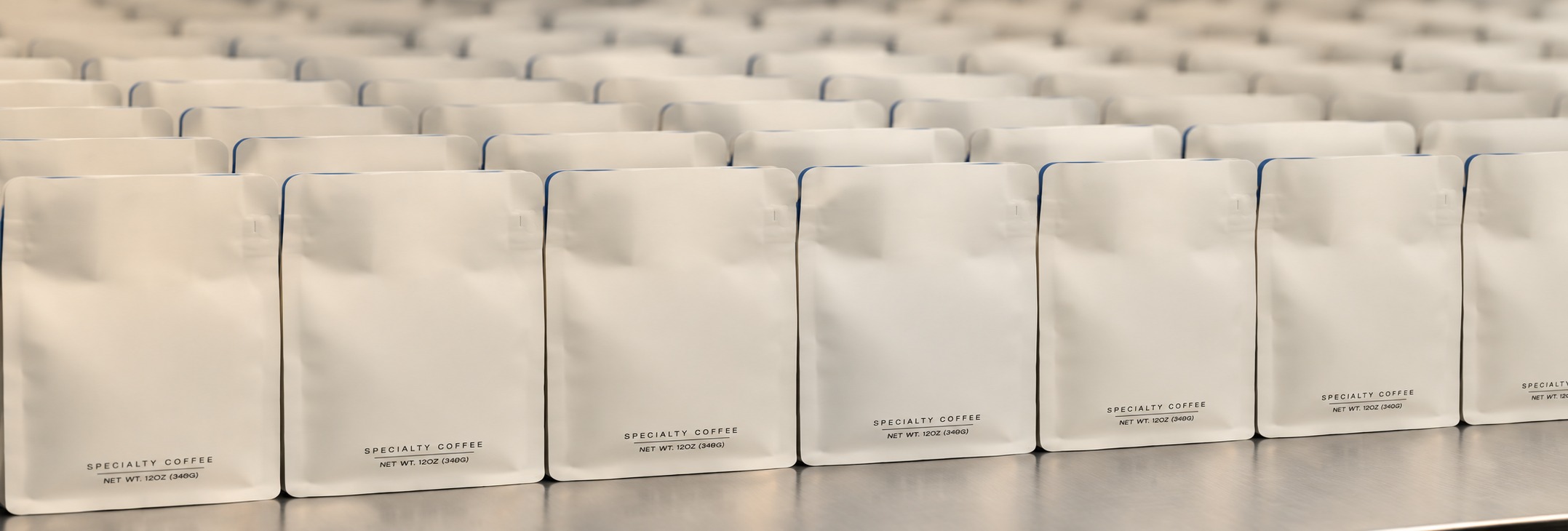
Before mass production, review a filled bag rather than a flat PDF. Make sure the front is legible, the bottom is flat and the valve or zipper does not interfere with important artwork. Take a photo of the bag on the desired shelf and in the shipping carton. Open and close it as a customer would.
The final approval form must state the material, dimensions, features, artwork version and acceptable color reference. It must also specify what information will differ from batch to batch. These details protect brand consistency when the same package is reordered or extended to a different coffee.
Coffee Packaging Decisions for Brand Teams.
Which should come first, branding or material selection?
Establish the product-protection and production requirements first. A format and surface that are appropriate for the coffee and sales channel can then be used in the brand design.
How much information should be on the front?
Only what customers need to recognise the brand and differentiate the coffee quickly. Longer stories, preparation details and supporting information may be moved to other panels.
Can one design system include seasonal and core coffees?
Yes, when the range has common elements such as logo placement, type hierarchy and information space, along with designated areas for product-specific color, origin and artwork.
When is the packaging ready for production?
When the filled pack, material, dimensions, feature locations, artwork, variable data, sealing performance and shipping presentation have all been reviewed together.
Send YPAK Your Coffee Packaging Brief
Related reading: start a custom coffee packaging discussion
Post time: Nov-15-2026


