


Coffee Pouch Packaging Supplier: A Real-world Workflow of Selecting, Validating and Scaling the Right Partner.

In the current competitive coffee market the issue of packaging has ceased to be a matter of secondary consideration, it is instead a core part of product success. Coffee pouches will safeguard freshness, brand image, fill easily, and behave in a consistent manner throughout transportation and storage. In companies that deal with large quantities of coffee or need to have a standardized brand image, selecting an appropriate coffee pouch packaging vendor becomes a significant operation choice.
But the selection of suppliers is seldom so straightforward as price comparisons or catalogues. It is an organized activity that makes the transition between defining the packaging requirements and validating the performance and ultimately making sure that the supply can be present on a long-term basis. All these steps contribute to minimizing risks and enhancing the overall product performance.
Knowledge of this workflow is a considerable competitive edge to coffee brands, roasters, distributors and even business using their own label. It turns sourcing of suppliers into a proactive, strategic process.
Stage 1 – Establishing Clear Packaging Objectives
Specifying Product Protection Requirements.
All coffee products require needs. Whole beans gas out upon roasting and frequently need to be de-gassed. Ground coffee is more susceptible to exposure to oxygen and it might need more barrier materials. The packaging should be in line with the physical behaviour of coffee itself.
In case of lack of such alignment even quality packaging can not work. A pouch which appears aesthetically robust, but does not provide adequate barrier protection can result in flavor loss and shortened shelf life.
Sales Channels and Conditions of usage.
The packaging needs will differ based on the mode of sale of the product. Retail shelves, cafes and shipments via e-commerce all provide varying conditions. A retail pouch should focus on the visual appeal and shelf viability, whereas packaging in e-commerce can focus on resistance and small shipping.
Knowledge of product location and use enables the buyers to establish more specific needs.
a fit between Packaging and Brand Positioning.
A visual representation of the brand is packaging. The packaging of a high-end coffee product would have to be different than that of a mass-market product. The target market position should be reflected in the materials, finishes and printing quality.
Stage 2 Shortlisting Potential Coffee Pouch Packaging Suppliers.
-
Experiencing in the Industry.
Not all packaging manufacturers specialize in coffee. Experienced suppliers dealing with coffee pouch manufacturing are more conversant with practical needs in the form of valves, sealing power, and barrier functionality.
-
Analysis of Product Range and Capabilities.
An effective coffee pouch packaging vendor needs to provide a variety of pouch designs, such as stand-up pouch, flat bottom pouch, and gusseted bag. It makes buyers able to customize packaging under various product lines.
-
Evaluation of Communication and Responsiveness.
The future cooperation can be observed in the form of early communication. The suppliers that react well and in a timely manner have a better chance of successfully managing the complex projects.
Stage 3 – Analyzing Material Structures and Functional Performance

Multiple Layer Film Construction.
Coffee packets are normally made of laminated materials in multi-layers. Every layer has its purpose, i.e. to offer structural stability, waterproofing, or protection against oxygen.
Customers ought not to concentrate on the surface look but the interior design that will dictate functionality.
Equivalent Barrier Level to Shelf Life needs.
The expectation of the shelf life is determined by the type of products and distance of distribution of the product. A supplier must be capable of prescribing material structures that can meet these requirements.
Take Environmental and Sustainability Factors into Account.
There is an increased concern on sustainability. There are suppliers of recyclable or less-impactful materials. But these options still need to be able to perform in order to not interfere with the quality of the products.
Stage 4- Customization and Design Implementation.
Brand Design to Packaging.
Design will have to be made to fit the physical size of the pouch. Elements of logos, typography and color should be placed strategically to ensure a visual balance.
Choosing The Printing Methods to achieve desired Results.
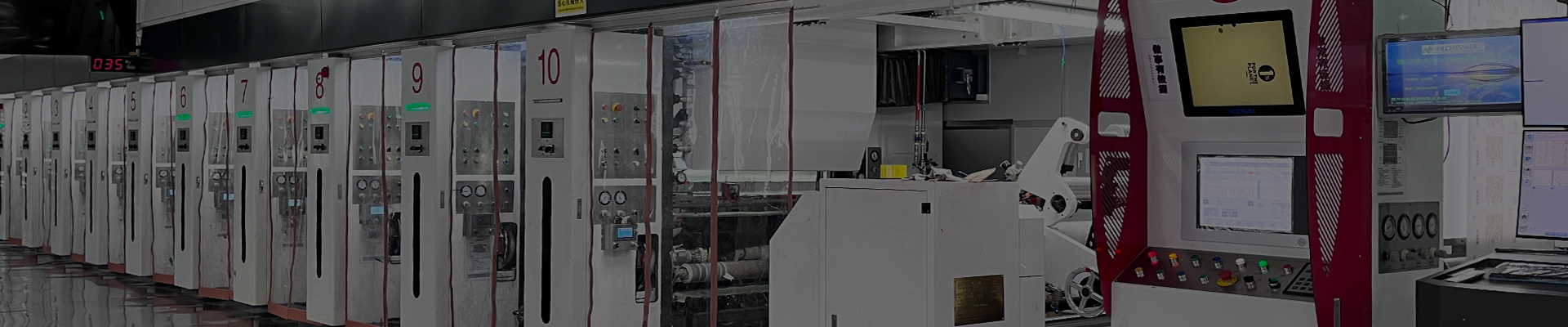
Various printing techniques give varying outcomes. The high volume orders are frequently based on gravure printing as it assures a uniform quality whereas the smaller runs are based on digital printing which is flexible.
Incorporating Operational characteristics.
The use of zippers, tear notches, and valves enhances ease of use. All these aspects should be incorporated in the design without compromising the visual presentation.

Stage 5 – Sample Development and Performance Verification
Physical Samples to be made to be evaluated.
Samples are a realistic preview of the final product. Customers are able to measure material feel, quality of print and structure.
Evaluation of Real-World Performance.
Test is not limited to visual examination. Simulation of tests, seal checking and filling, are used to find out possible problems.
Improving Specifications According to Feedback.
The modification at this level enhances the final product. During sampling, it is more effective to refine the product than when mass production is in progress.


Stage 6 – Confirming Production Readiness and Bulk Order Execution
Finalizing Technical Specifications.
All the specifications should be spelt out before production such as size, material, printing, and working properties. This accelerates the extent of ambiguity and alignment.
Tracking the Production Progress.
In the process of production, communication with the supplier is used to maintain transparency. Progress and any problems can be updated, and adequate changes are made.
Consistency in Units.
Unity is essential in bulk buys. Product overall can be affected in terms of color, size or the quality of the sealing.

Stage 7 – Logistics Coordination and Long-Term Supply Management
Planning Shipping and Delivery.
Effective logistics means that the packaging will be present at the time of need. Delays may interfere with the production timetables and inventory organization.
Delivery of Goods.
When well packaged, there is no harm in transit. This is more so with huge shipments.
Development of a sustainable supplier relationship.
Long-term collaboration enhances effectiveness and dependability. As time passes, suppliers will be more conversant with the needs of the buyer thus making it unnecessary to keep adjusting to the needs of the buyer.
Conclusion
The choice of coffee pouch packaging supplier is not a one-step process- it is an organization and process that one must consider every step very carefully. Starting with the determination of packaging objectives, through to the verification of samples and production control, all these processes lead to the ultimate outcome.
Any business which takes this process as a systematic process is in a better position to deliver the same quality, reliable supply and good brand presentation. These advantages can be a big difference in a competitive market.
FAQ
Pay attention to the quality of materials, stability in production, and communication.
They assist in checking the accuracy of design and functionality.
They assist in checking the accuracy of design and functionality.
Coffee pouches are customizable.
Yes, size, material, printing, and functional.
The most important are the material barrier properties and sealing quality.
Of course, it enhances productivity and reliability in quality over time.
Post time: Jun-04-2026


