


The question that arises when a coffee bag swells after it has been packed is: is the degassing valve effective? A bag that remains flat yet loses aroma poses a less apparent instance of the same question. In both examples, the valve comprises only part of the investigation. Roasted coffee is safeguarded by coffee bags with a valve only when the valve, laminate, seals, closure and packing schedule work as one system.
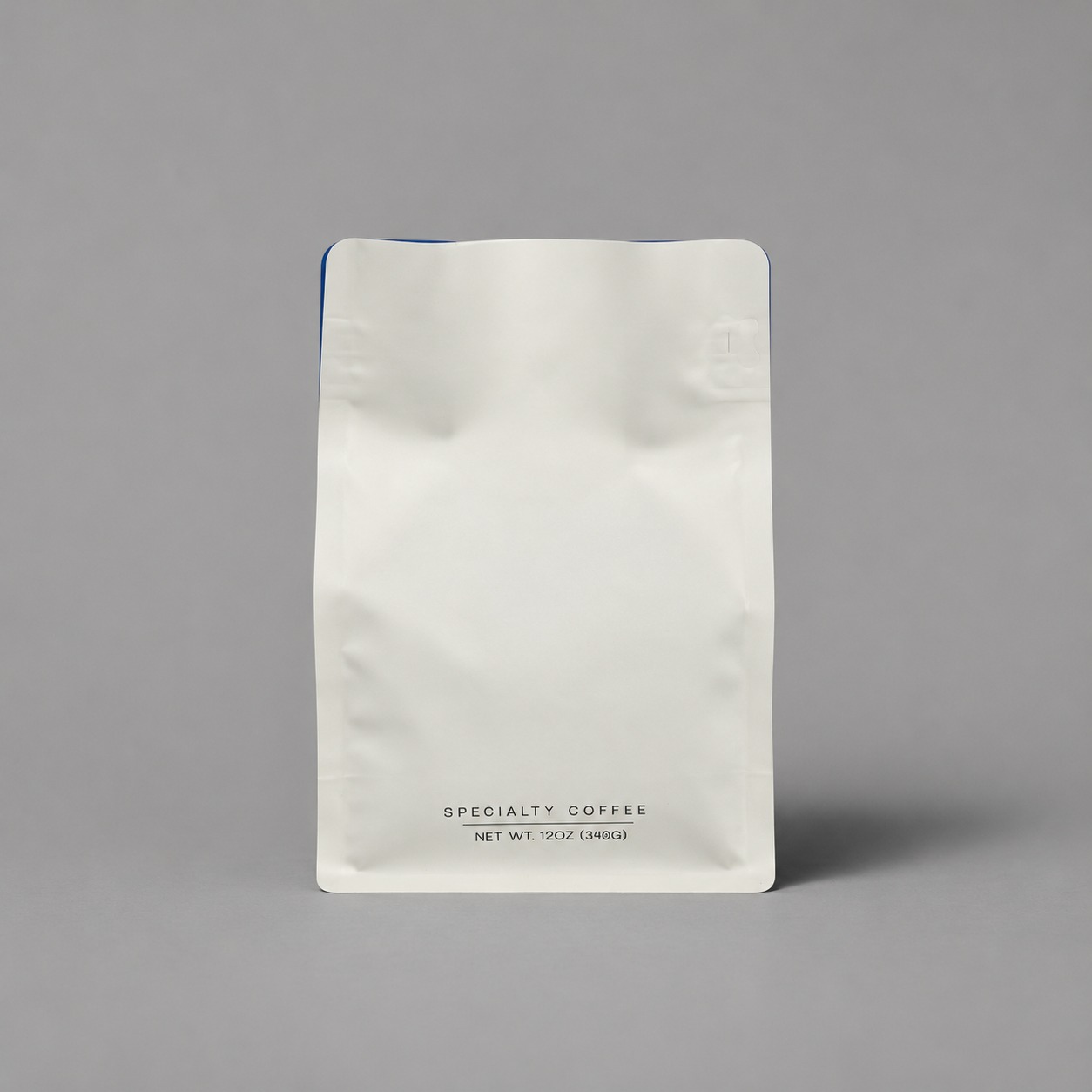
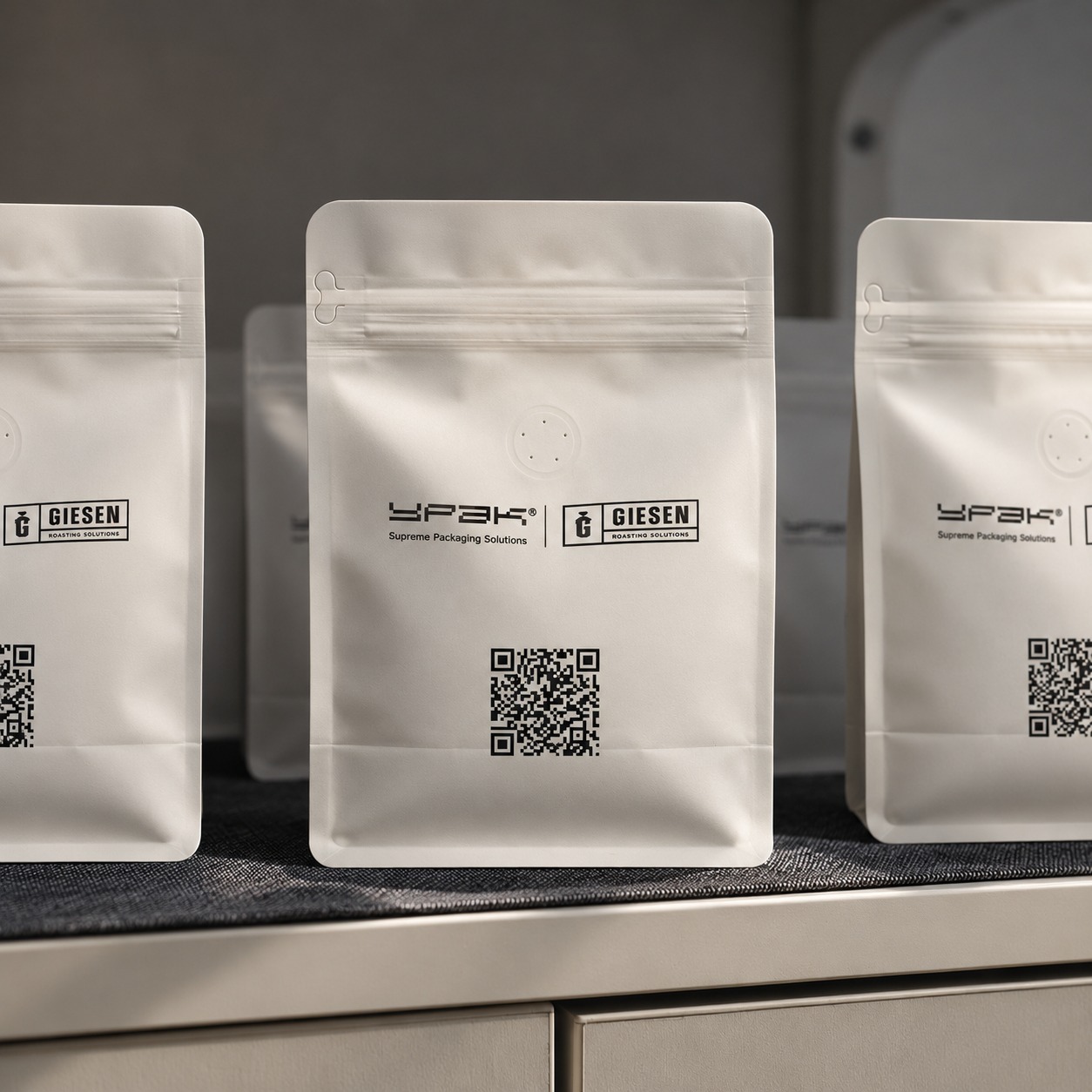
The valve has a specific task. It provides the carbon dioxide given off by roasted coffee with a controlled means of escaping from a sealed package while restricting the path of outside air through that component. It does not convert a low-barrier film into a high-barrier system, remove coffee from a heat-seal zone or close a zipper after the consumer opens the pack.
Related reading: coffee bags with valve for roasted coffee
Begin With Coffee, Not the Valve.
After leaving the roaster, freshly roasted coffee will emit carbon dioxide. The amount of gas left after the bag is sealed depends on the coffee, roast profile, grind and time between roasting and packing. Even when both products fit in the same bag size, a dark roast filled shortly after cooling can form a different pressure pattern from a rested light roast.
Ground coffee is another factor that alters the decision. Grinding reveals more surface area and may accelerate gas release. During filling and handling, fine particles may migrate towards the valve, thereby increasing the risk of blocking it. The specification should then start with the real product and process: whole bean or ground, roast-to-pack time, target fill weight, projected headspace and projected shelf life.
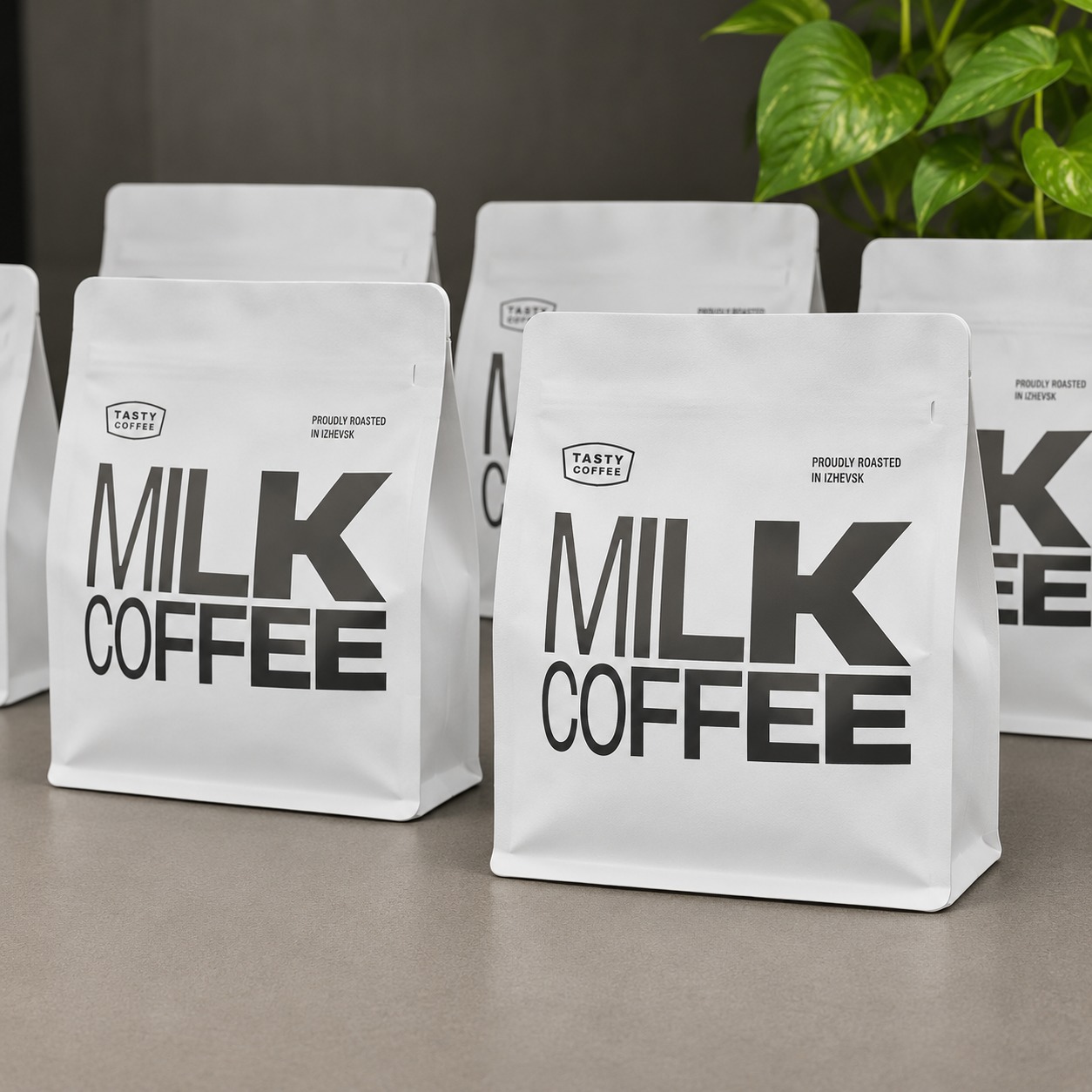
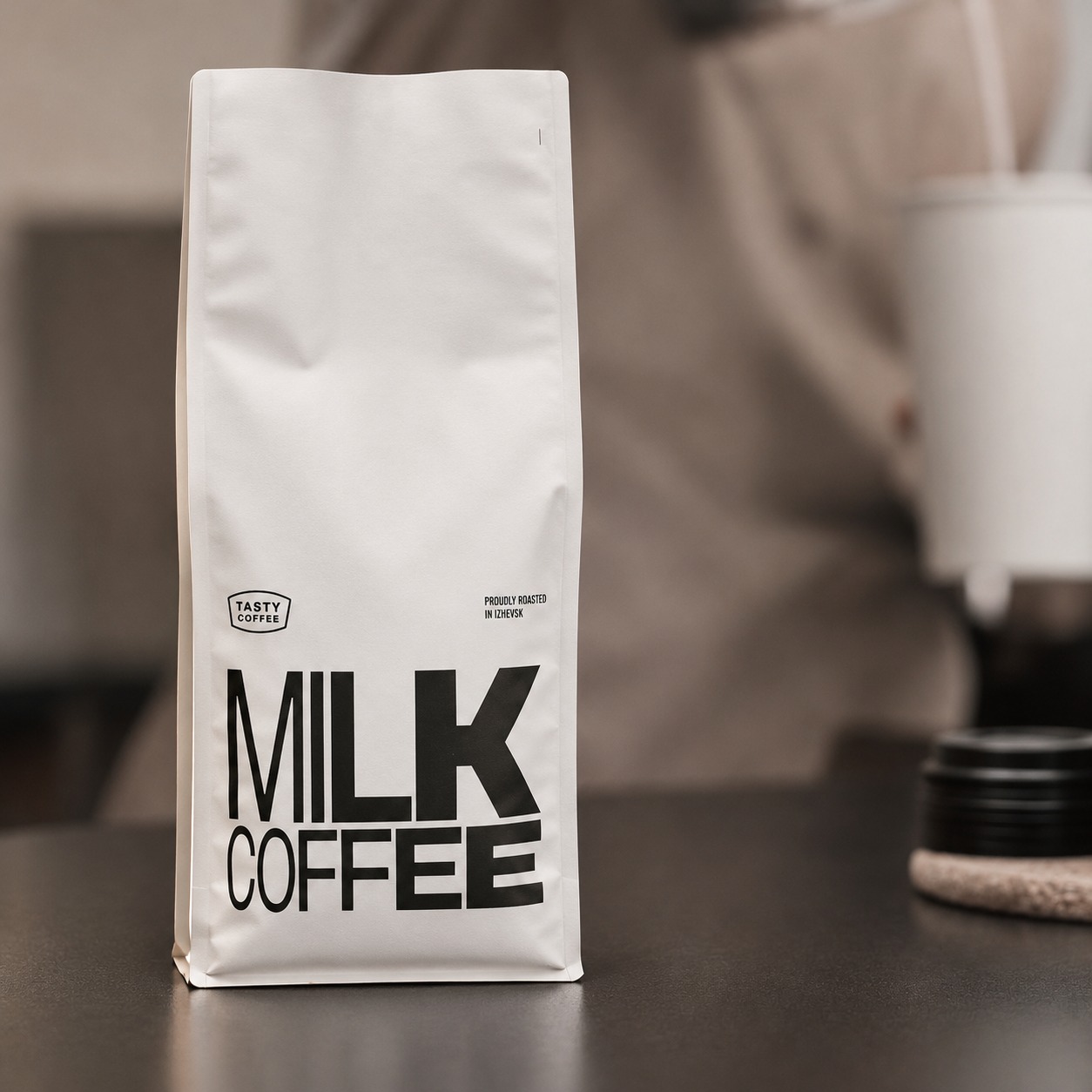
A Valve Controls Pressure, Not Every Freshness Risk.
Loss of freshness does not necessarily result in swelling. Water or air can enter through an inappropriate laminate, an unclosed seal, a broken fold or a closure that is not fully reclosed. The product may also be affected by light and heat during storage. Changing the valve will not correct any of those routes.
The symptom can still direct the inspection. A highly swollen bag may indicate active gas release, limited headspace or an obstructed ventilation path. Aroma loss without swelling may help focus attention on the film and seals. When only part of a production lot fails, compare filling cleanliness, wrinkles and final-seal consistency before concluding that all the valves are faulty.
Placement Needs to Work With the Filled Bag.
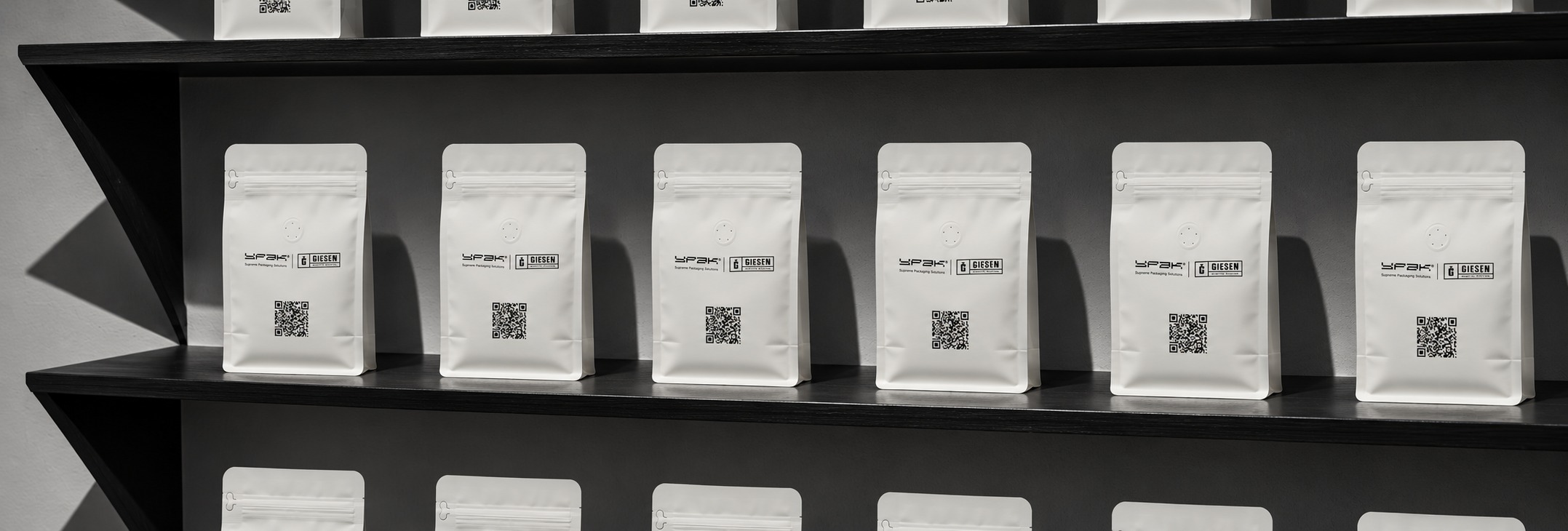
The valve position should be decided together with the zipper, tear notch, permanent top seal and machine gripping area. What appears to be an even position on flat artwork can end up too near the coffee after filling or can crease after the bags are packed into a carton. Either condition may disrupt the intended gas path or complicate inspection.
Mark the valve center on the dieline, but approve it on a production-size filled sample. Ensure that the surrounding panel lies flat, the valve is not below the normal product line and the fitting area is not distorted by a gusset or fold. Sufficient clean film must also remain above the product to allow a reliable final seal.
Related reading: read YPAK information about coffee degassing valves
Do Not Add or Remove a Valve by Habit.
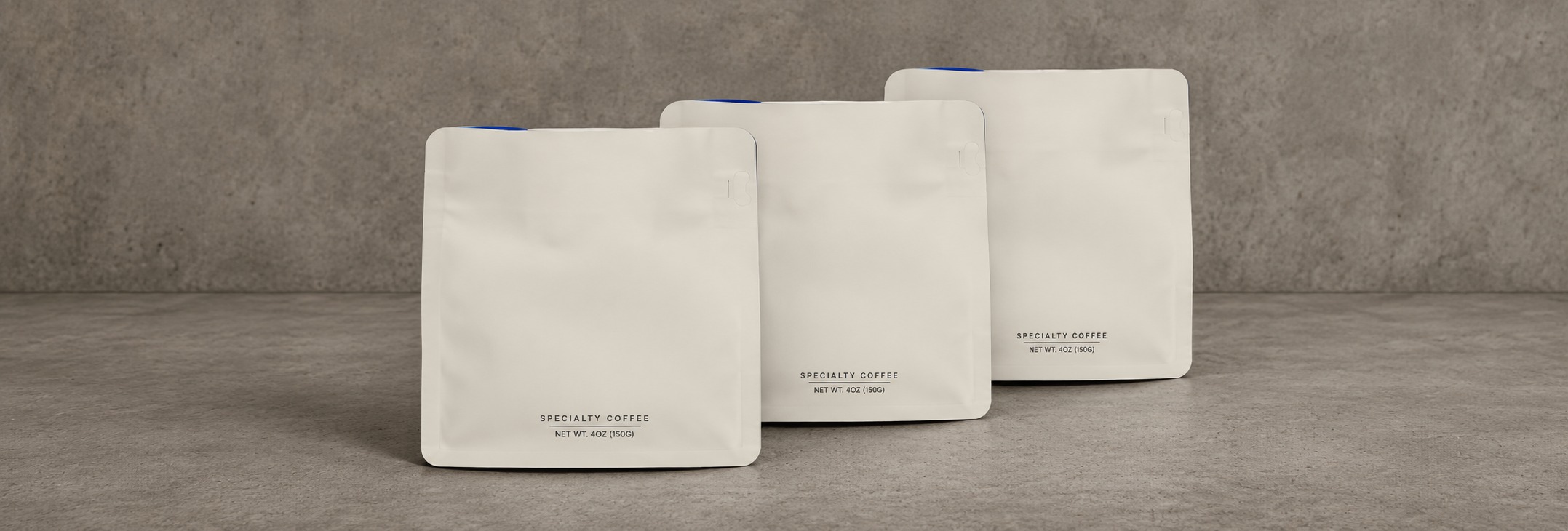
A valve usually comes in handy when actively degassing coffee will be sealed before most of the gas has escaped. When the product is deliberately rested, vacuum packed or controlled by another validated method, it may be less important. The right decision is determined by what happens after sealing, not by whether rival brands display a valve on the front panel.
Removing the valve only to lower the unit cost may result in swollen bags, strained seals, unstable cartons or uneven shelf display. Adding one automatically also introduces a component that must be specified, positioned, attached and inspected. Staff members should understand what pressure problem the valve is designed to address and what evidence will prove that it works.
Test the Full Pack Under Real Conditions.
Run trials on the target coffee at the intended roast-to-pack interval. Apply the scheduled fill weight, production sealing equipment and finished bag construction. Observe the pack over time rather than applying a squeeze test immediately after sealing. Record bag shape, headspace and any change around the valve or seals.
Then place the filled bags in the intended case arrangement. Include stacking, transport vibration and temperature conditions that are plausible models of distribution. To compare two valves, keep all other variables constant, including the coffee, film, bag size, fill weight and sealing process, so that the valve is the controlled variable.
Pre-Production Questions.
Will a low-barrier bag become high barrier when a valve is present?
No. A valve regulates one gas path. The laminate, package seals and closure continue to determine the rest of the bag’s ability to resist oxygen and moisture.
Can the valve position for one bag size be replicated on all bag sizes?
Not safely without examination. The usable area can vary depending on bag height, fill level, zipper position, top-seal allowance and machine handling.
Is an empty-bag test sufficient?
Appearance and nominal location can be verified with an empty sample. Approval should use the planned coffee, filled shape, sealing procedure and distribution conditions.
Send YPAK Your Roast and Valve Requirements
Post time: Nov-14-2026


