


A pouch may be flawless on a test table and may turn into a nightmare as soon as it is released to a manufacturing line. Under the filler, the mouth might not remain open. Coffee grounds can come to rest over the seal area. A side zipper is likely to hit a guide rail, and the completed bag is likely to lean after adding the intended weight. These breakdowns are not very noticeable in an artwork proof.

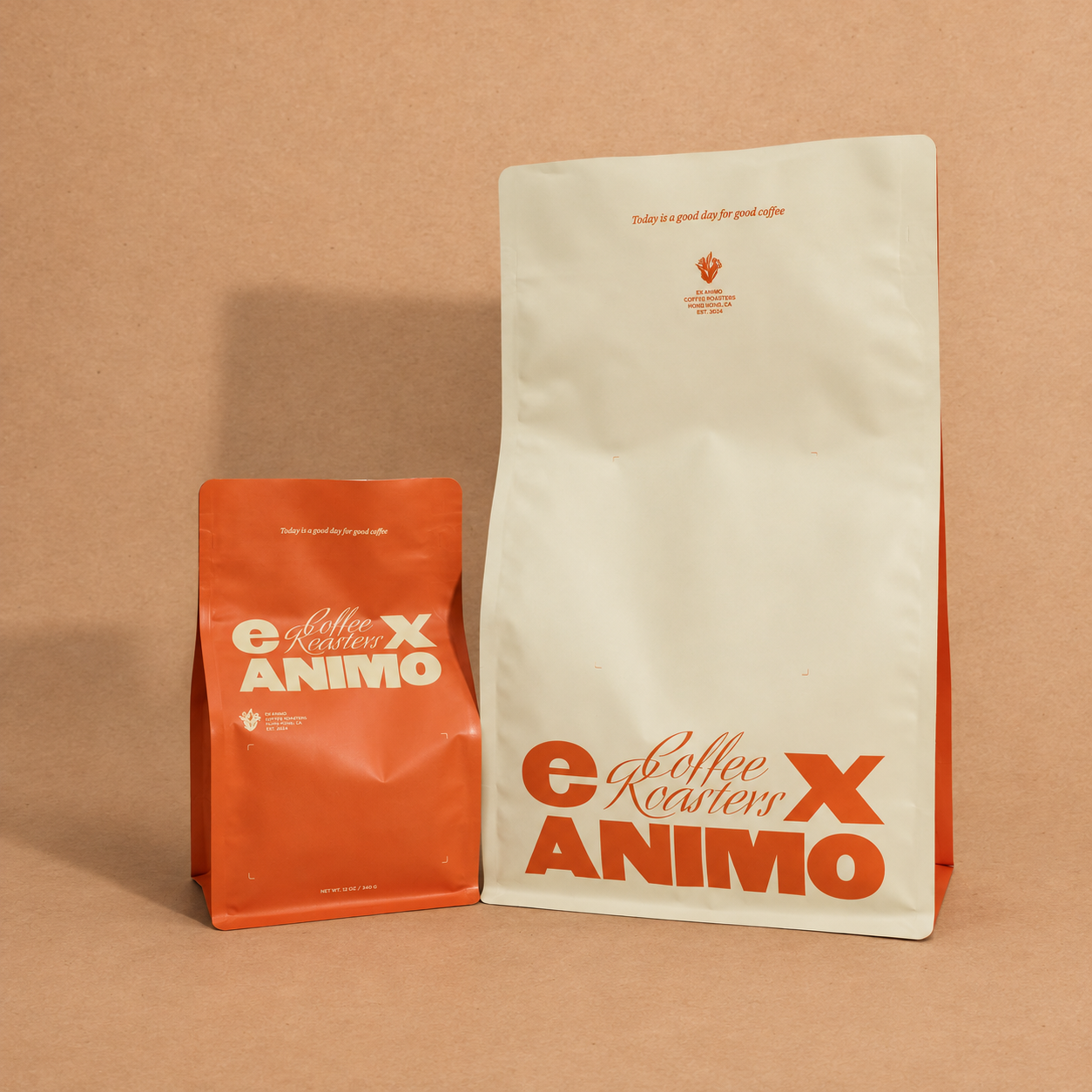
To roasters and brands of coffee, the handy method of selecting coffee pouches is to start with the roast and packing. After the coffee, fill timing and equipment become consistent, pouch shape and features become a practical choice, as opposed to a guess.
Related reading: coffee pouches for roasters and coffee brands
Before you talk about the bag, describe the Coffee.
Inform the packaging supplier whether the product is freshly roasted whole-bean coffee, ground coffee, instant coffee or a single-serve portion. Also indicate the time when it will be packed. Beans that are recently roasted can emit sufficient carbon dioxide to affect headspace and valve selection. After the grinding process, ground coffee acts differently, and instant coffee requires more moisture protection.

The level of the roast is also important, as it may alter the density of the beans and the amount of space that a specified weight will occupy. A 250 gram pouch imitating another brand might therefore be too tight for one coffee or too large for another. Take a real fill rather than use nominal capacity to select dimensions.
Walk Through a Single Production Cycle.
Track a pouch from the time it is picked up by an operator or a machine. How is it opened? Where does the dosing funnel enter? Does the product fall below the zipper? How much clean film will be left for the final heat seal? The responses reveal needs that cannot be presented in a product catalogue.
Manual filling is more tolerant of variations, as an operator may straighten a bag or wipe a seal area. A prefabricated-pouch machine requires consistent dimensions, rigidity and friction. Rollstock equipment imposes its own needs regarding web width, registration and sealing behavior. It is recommended that the equipment supplier or co-packer check the proposed construction before the artwork is locked.
| Production point | What to observe | What it changes |
|---|---|---|
| Pouch opening | Stiffness, zipper resistance and mouth width. | Dose access and missed openings. |
| Filling | Funnel clearance, product and dust level. | Clean seal allowance and bag dimensions. |
| Heat sealing | Jaw width, temperature range and dwell time. | Choice of sealant and top layout. |
| Handling | Conveyors, guides, coding and checkweighing. | Position of features and pouch geometry. |
| Case packing | Filled dimensions and trapped gas. | Carton count and transport stability. |
Choose the Format for the Work It Must Do
A stand-up pouch is frequently simple to manage in small batches and has a recognizable retail shape as far as the front panel is concerned. A flat-bottom pouch has a stable bottom and multiple display panels, though its more structured geometry should fit the filling station. Side-gusset bags could pack larger weights efficiently, although display and easier closure might require a different configuration.
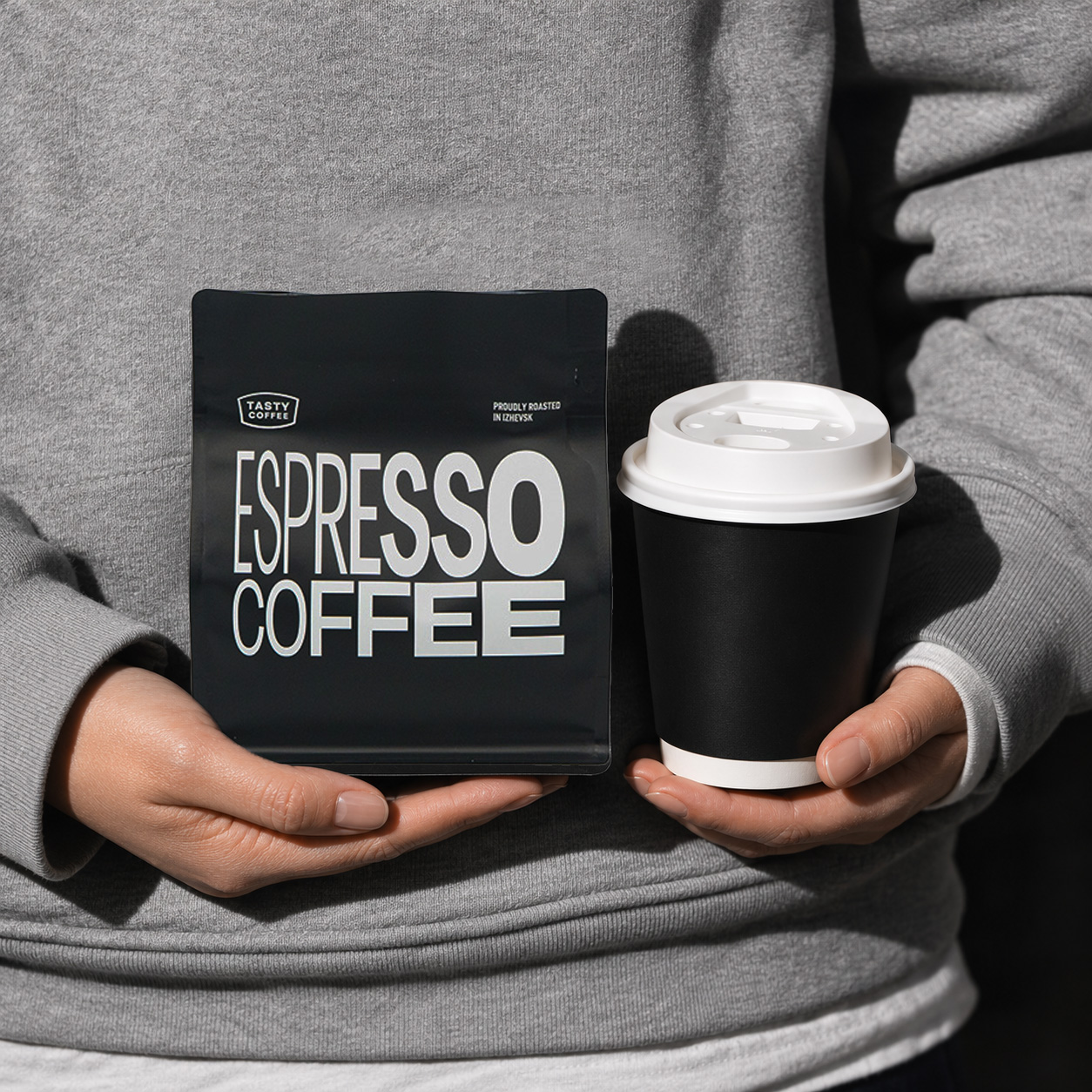
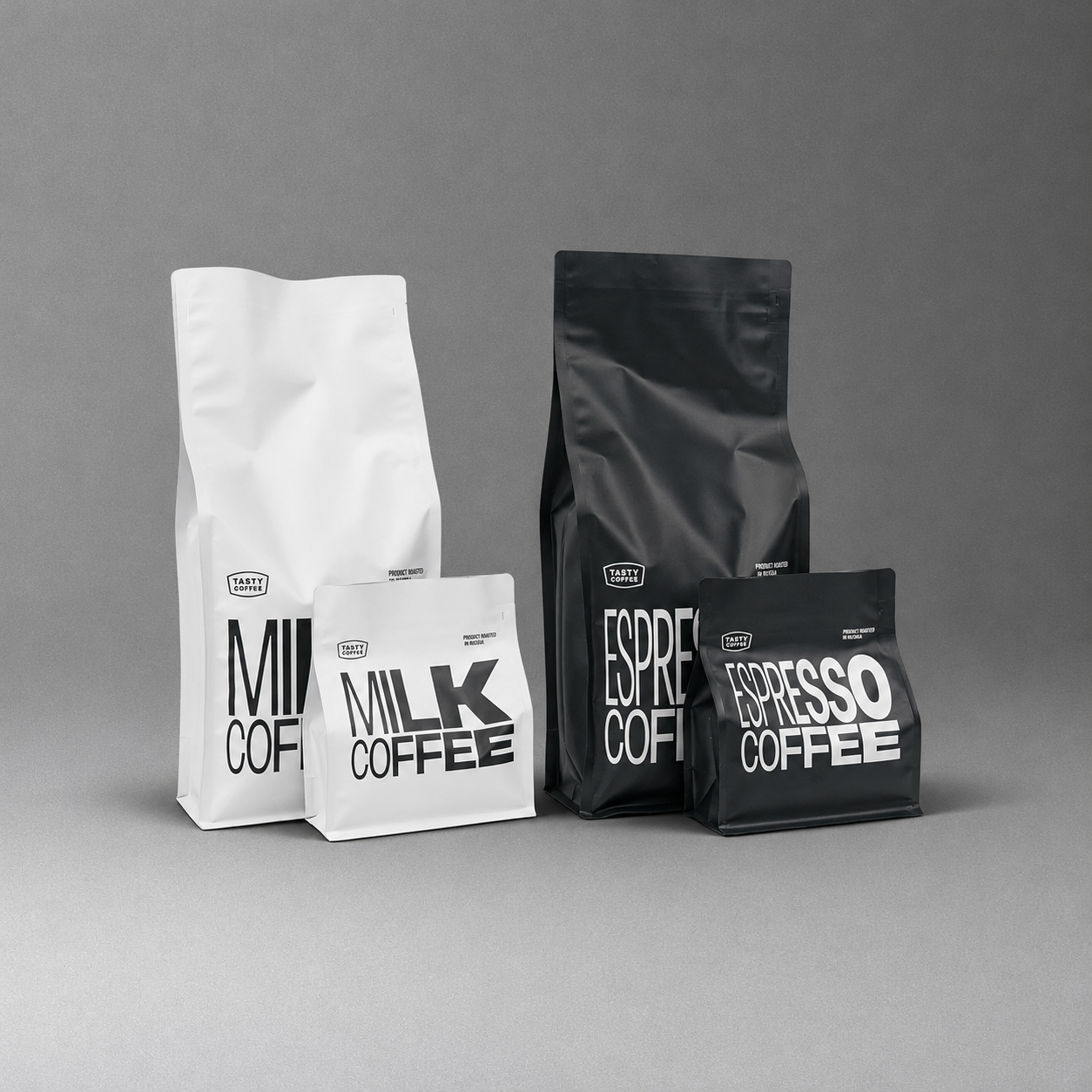
Compare filled samples at the desired weight. Place them on the proposed shelf, place them in the shipping carton and attempt the regular dispensing motion. With an empty sample, panel bulging, wasted headspace and a base that becomes unbalanced beneath the actual coffee can be masked.
Related reading: browse YPAK packaging formats
Keep Features Out of the Filling Line

All these items, such as the valve, zipper, tear notch and date code, compete for space close to the top of the pouch. Having a valve too near a machine grip will interfere with handling. An overly high zipper may progressively decrease access to the filling; an excessively low one may leave the customer with a bulky gap.
Note these attributes on the production dieline before completing the design. The permanent top seal still needs a continuous band above the zipper, and the variable information requires a flat, accessible space. If the line contains vision or registration marks, guard those too.
Find Costly Problems at an Early Stage by Using a Short Trial.
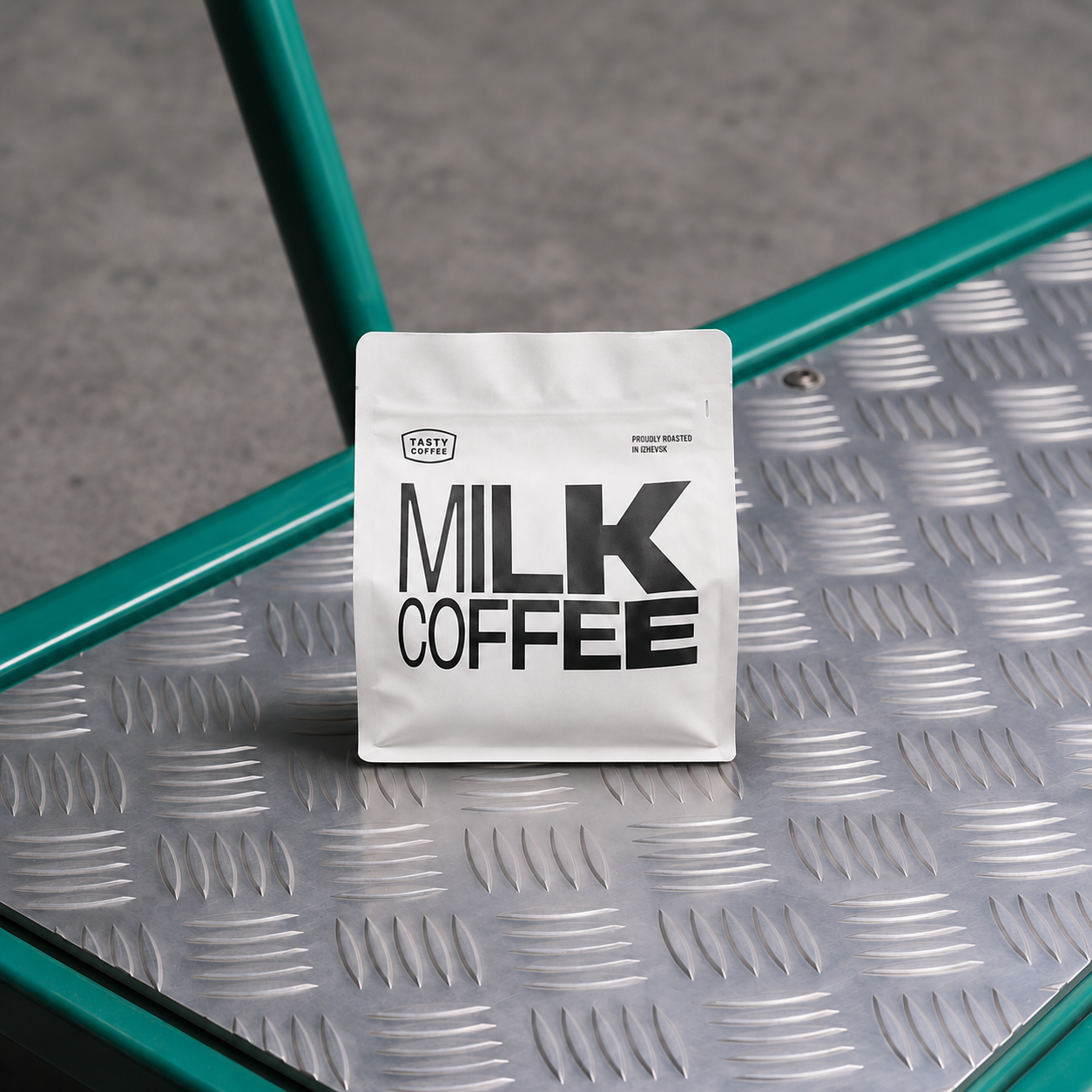
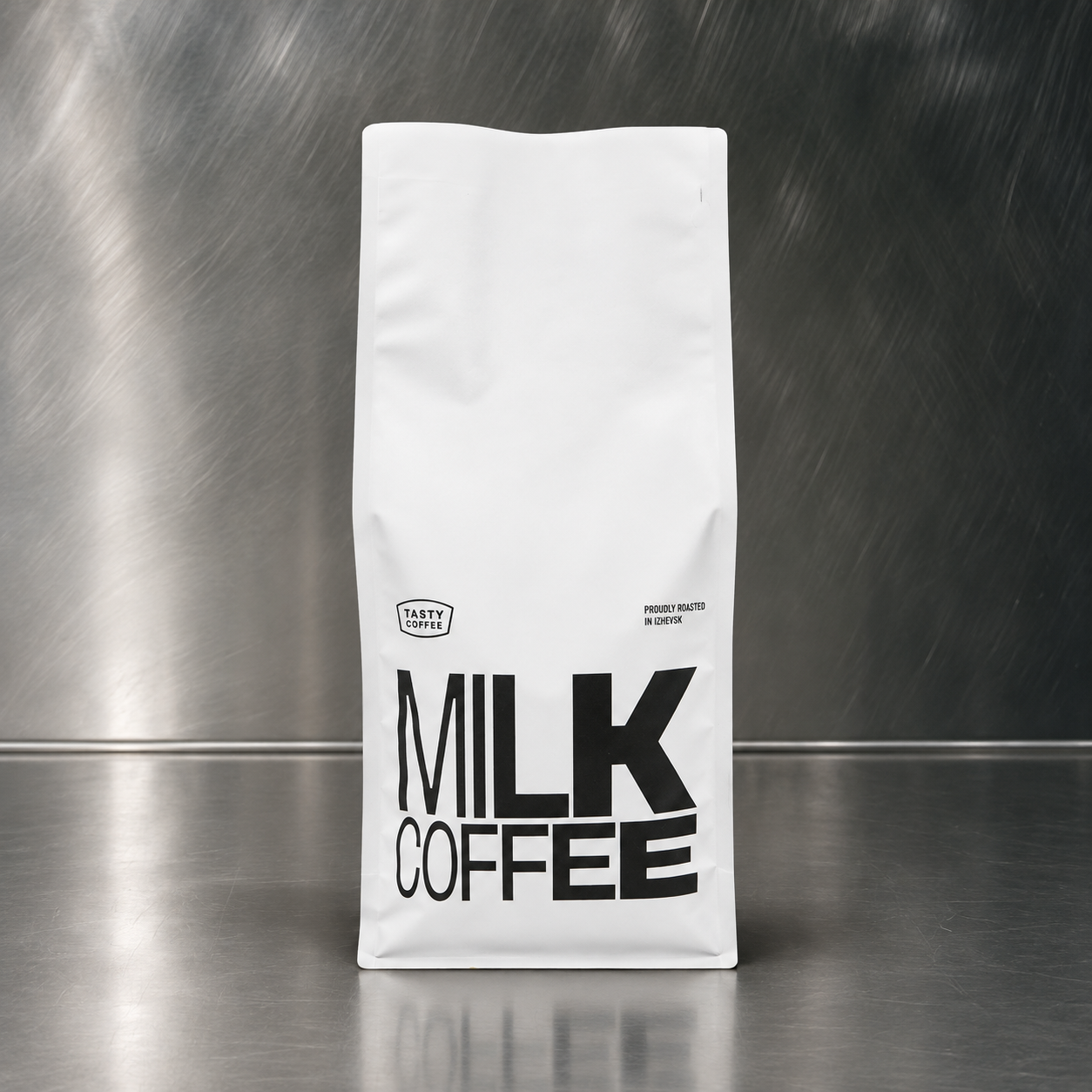
Load production-intent samples with the actual coffee and feed them through the desired sealer. Observe the gradual actions: opening the pouch, settling the product below the closure, aligning the top and removing the filled bag from the jaws. A few extra seconds on each bag can become a severe labor burden at the usual volume.
Once sealed, check the seal to see whether it has folds or coffee particles. Test the filled height, valve area, code legibility, zipper accessibility, drop behavior and case fit. Keep one approved filled sample and document the equipment settings used in the trial. That record provides the same reference to both production and the supplier when the order is repeated.
Present a Production Brief to the Supplier.
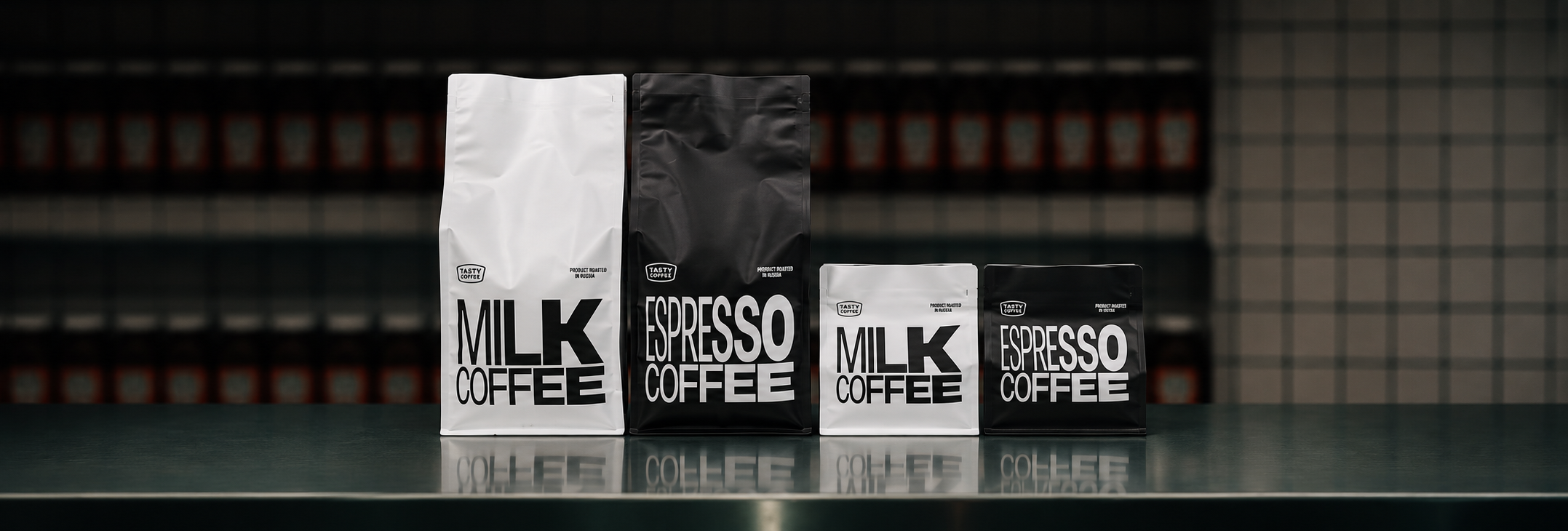
One useful order brief includes the coffee format, roast-to-pack timing, fill weight, the type of equipment you have or want to use, pouch style preference, valve and closure, order quantity and destination. Add pictures or a short video of the filling station where a dimension or guide rail is hard to describe.
If the present pouch is problematic, describe the malfunction. Saying that the pouch gets stuck in the funnel is better than asking for the same bag in a different material. The supplier is then able to modify the opening, feature placement or entire construction around the true limitation.
Practical Questions Before Ordering Coffee Pouches
Will I be able to select a pouch by the coffee weight alone?
No. The volume of the same weight can vary with different roast types and product forms. Check the dimensions with the desired coffee, headspace and filling technique.
At what point should the filling-line team check the pouch?
Before the final approval of the dieline and artwork. Their examination can alter the opening dimension, top seal allowance, stiffness or location of the valve, zipper and coding region.
Is an empty sample satisfactory?
A blank sample can be used for a preliminary check, but final approval should include a filled and sealed trial with the target coffee and equipment.
Send YPAK Your Coffee and Filling Requirements
Related reading: discuss a production-ready coffee pouch
Post time: Nov-17-2026


