


Matcha Powder Packaging: 2026 Buyer's Guide for Brands
Matcha powder packaging is evaluated at two different moments. Before purchase, buyers examine specifications and shelf presentation. After opening, customers judge color, aroma, flow, and ease of use. A package can look acceptable in a visual review yet fail the product if it admits too much light, allows humidity to reach the powder, or cannot be resealed neatly.
The correct specification starts with the powder and its route to market. Ceremonial matcha in a 30-gram retail pack and a cafe blend supplied in bulk create different protection, dispensing, and inventory needs. Buyers should define those differences before selecting a pouch style or print finish.
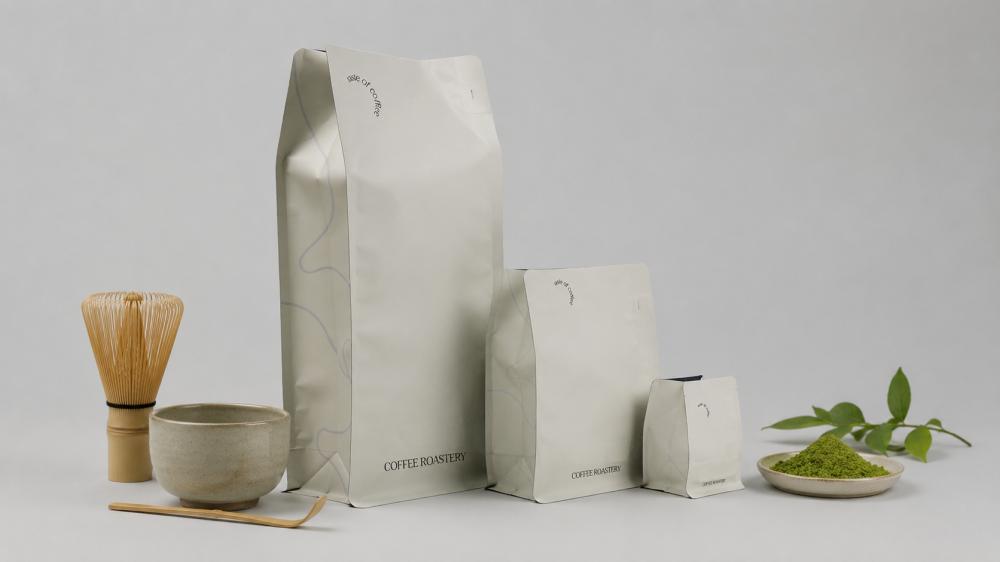
Translate Powder Behavior Into Packaging Requirements
Fine powder has a large exposed surface and can settle inside zipper tracks or contaminate seal areas. Bulk density also varies, so two products with the same net weight may require different internal volumes. A practical packaging brief describes how the product behaves instead of relying on general terms such as premium or food grade.
Document the matcha grade, particle behavior, fill weight, expected shelf life, filling location, distribution climate, and opening frequency. State whether the product will be scooped at home, portioned by cafe staff, or emptied into another container. This information shows which risks deserve the greatest attention.
Build the Barrier Around the Distribution Reality
Barrier selection should consider the entire process from packing to consumption. A short local delivery with rapid turnover is different from ocean freight, warm warehouses, long retail exposure, and repeated opening in a humid kitchen.
Ask the supplier to identify the complete material structure and provide relevant oxygen- and water-vapor-transmission information. Test conditions matter because a value measured at one temperature and humidity may not predict performance in another market. Light protection should be reviewed separately; a transparent window can weaken an otherwise effective system.
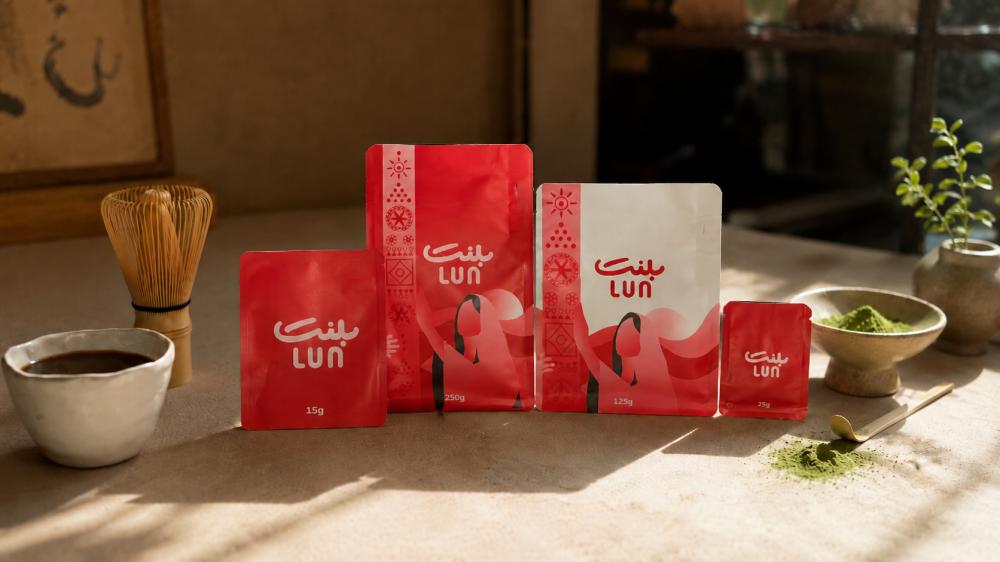
If the filler uses vacuum or inert-gas flushing, confirm that the pouch construction, headspace, and seal process work with that operation. The package, filling method, and shelf-life target should be considered together.
Choose a Structure That Matches the Sales Channel
Format is more than a branding decision. It affects filling performance, usable volume, carton density, shelf display, and the way customers remove the powder.
| Packaging route | Strongest fit | Main buyer checks |
| Flat pouch | Samples, refills, compact retail packs | Opening width, zipper clearance, filling efficiency |
| Stand-up pouch | Mainstream retail and online display | Base stability, front-panel shape, scoop access |
| Flat-bottom pouch | Premium or larger-volume presentation | Corner filling, panel alignment, carton utilization |
| Side-gusset pouch | Food-service and higher fill weights | Gusset expansion, closure plan, handling after opening |
| Tin plus refill pouch | Premium ritual with a lighter refill | Inner protection, component fit, refill instructions |


YPAK lists flat, stand-up, flat-bottom, side-gusset, and special-shape flexible formats. This range allows buyers to compare several options against one filling and distribution brief rather than choosing a silhouette in isolation.
Size the Pouch With Real Powder, Not a Weight Chart
Nominal capacity charts help with initial screening, but a trial fill is the dependable sizing method. Measure the actual bulk density and observe how the powder settles after filling and transport. The pouch needs enough space for clean sealing without appearing empty.
Evaluate three areas during the trial:
● Product zone: sufficient volume without excessive trapped air.
● Access zone: enough opening width for the intended scoop or pour.
● Seal zone: clean film above the fill line for consistent top sealing.
An oversized pouch can weaken shelf presence and enclose more air after each use. An undersized one can contaminate the zipper, crowd the seal line, and frustrate customers. Approve dimensions only after testing the intended fill weight.
Engineer the Opening for Fine-Powder Use
The first opening and later openings perform different jobs. The top seal provides first-open integrity, while the zipper supports daily storage. A tear notch should begin the opening cleanly without cutting into the zipper or leaving too little material to hold.
Powder resistance needs practical testing. Fill, open, and close the pouch repeatedly using realistic hands, scoops, and work surfaces. Check whether particles collect in the zipper track, whether customers can press it fully shut, and whether the pack stays stable while open. For food-service packs, staff speed and glove use may change the best opening geometry.
Plan Printing Around the Material, Not a Screen
Matcha branding often uses quiet greens, soft neutrals, metallic accents, or uncoated-looking matte finishes. These choices behave differently on transparent, white, metallized, and kraft-look structures. Color should therefore be approved on the proposed film and finish.
Digital printing can suit launch quantities, regional versions, or several grades with related artwork. Rotogravure can support stable designs and larger repeat volumes. YPAK identifies both digital and rotogravure equipment within its production capabilities, giving buyers a basis for comparing setup commitment, artwork stability, and reorder plans.
The dieline should identify seals, gussets, zipper placement, barcode quiet zones, and areas likely to distort during forming. Review every panel on a formed sample rather than approving only a flat artwork file.
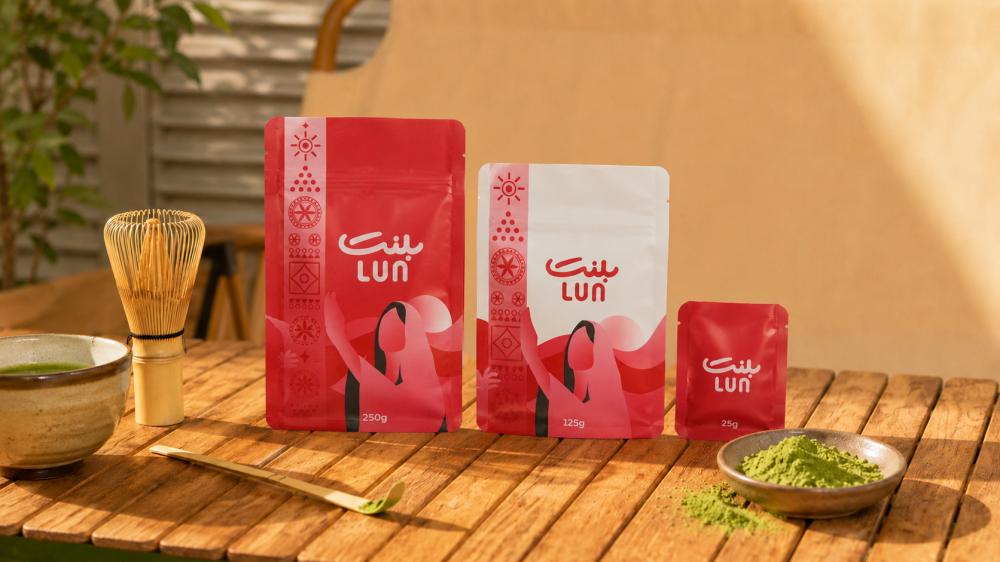
Test the Whole Pack Before Production
A material certificate does not replace performance testing. The approval sequence should progress from material review to a blank prototype, trial fill, printed proof, and production-intent sample. Each stage answers a different question.
Use filled packs for checks that represent the real supply chain:
● Seal integrity after powder filling and top sealing.
● Zipper function after repeated opening and closing.
● Leakage, drops, vibration, compression, and carton abrasion.
● Odor transfer and visible changes during planned storage.
● Print scuffing and barcode readability after handling.
Record the test method, acceptance criteria, sample quantity, and person responsible for approval. Retain a signed sample so production can be compared with a physical reference rather than memory.
Evaluate Sustainable Options Without Losing the Product
Recyclable and compostable structures should be assessed against actual shelf-life and distribution needs. A sustainability claim is incomplete without information about the material, local collection or disposal route, and the conditions under which the claim applies.
Product loss also creates an environmental cost. A lighter structure is not an improvement if inadequate protection causes color deterioration, clumping, or rejected inventory. Compare alternatives using the same filling, sealing, and storage tests, then provide disposal instructions that customers can realistically follow.
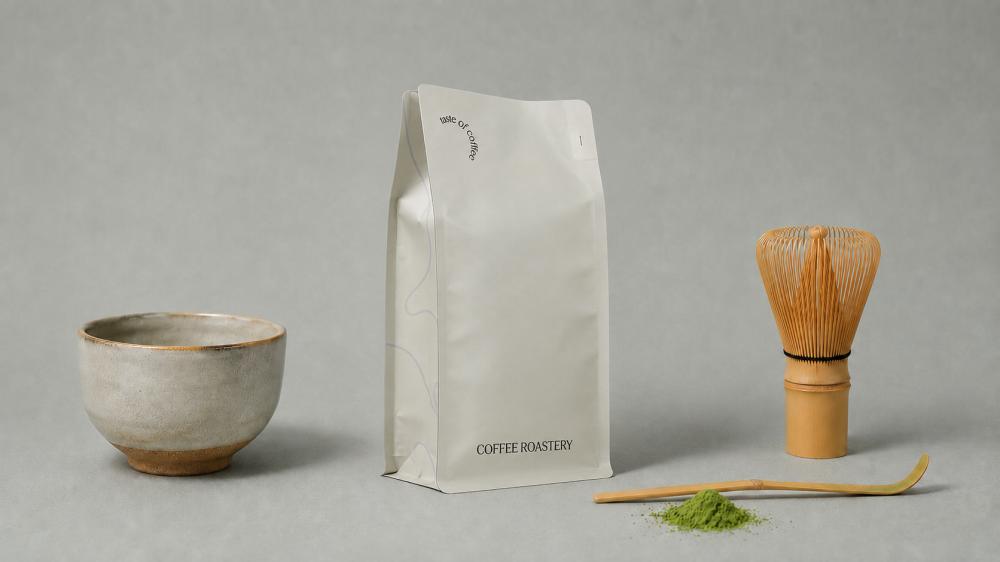
Convert the Specification Into a Supplier Control Plan
Before ordering, consolidate approved decisions into one controlled specification. Include material structure, dimensions and tolerances, closure components, print reference, finish, quantity by artwork, packing method, inspection points, and permitted production variance.
The purchase order should also state what happens when results fall outside the agreed range. Define who reviews deviations, which evidence is required, and whether approval must occur before shipment. YPAK presents quality control as part of its one-stop packaging process; buyers should connect that capability to order-specific documentation and acceptance gates.
Conclusion
Successful matcha powder packaging begins with powder behavior and distribution conditions, not an image of a preferred pouch. Buyers should define the barrier challenge, choose a channel-appropriate format, size it with real product, engineer the opening, approve print on the intended film, and test filled packs before production.
Branding and protection reinforce each other when these decisions are recorded in a controlled specification. The result is a pack that preserves the product, works on the filling line, remains convenient after opening, and can be reordered with confidence.
Frequently Asked Questions
These questions help brands resolve common technical decisions before approving matcha powder packaging.
What is the best pouch format for matcha powder?
There is no universal format. Flat and stand-up pouches suit many retail and refill programs, while flat-bottom or side-gusset formats may work better for larger volumes or a more structured display. Choose after reviewing fill weight, channel, opening behavior, and freight.
Does matcha powder packaging need to block light?
Light can affect a sensitive powder, so buyers should evaluate opacity and any transparentwindow as part of the complete barrier system. Test the finished structure against the planned shelf life and retail conditions.
How should pouch size be confirmed?
Run a trial fill with the actual powder. Check settled volume, headspace, opening access, zipper clearance, and the clean area needed for sealing. Weight alone cannot determine the correct dimensions.
Can recyclable packaging provide a suitable barrier?
Some recyclable structures provide useful protection, but performance depends on the exact material, seal process, distribution, and shelf-life target. Validate the proposed structure with filled-product testing before making a claim.
Post time: Aug-07-2026


