


Paper Cup Packaging Supplier: The Right Partner to do your Beverage Packaging.

The world beverage market has seen tremendous growth in the last decade particularly in coffee shops, milk tea chains, take away shops and food delivery websites. Due to the heightened competition, packaging is now more significant than ever. Paper cups are no more just disposable containers to the modern beverage brands. They belong to brand identity, customer experience, product safety and environmental responsibility.
Due to this change, companies are becoming more concerned with the selection of the appropriate paper cup packaging vendor. A trusted supplier is capable of offering consistent quality, custom printing, food grade materials and flexibility in production. More to the point, the appropriate supplier can assist brands in developing packaging that enhances the visibility and builds customer trust.
The current paper cup packaging market is also evolving with a high rate of changes influenced by the sustainability trends, the automation upgrading, and the demand to get a custom branded paper cup. Packaging now desires by beverage companies are to offer functionality, high appearance, and eco-friendly performance. The manufacturing, customization and sourcing of paper cups can assist business to make smarter long-term purchases.

The Reason Paper Cup Packaging is Important in the Beverage Industry today.
One of the most noticeable aspects of the beverage business is packaging. Customers deal with paper cups on a daily basis, be it when ordering coffee, tea, smoothies, or takeaway drinks. This implies that packaging has an effect on customer perception as well as on the general brand experience.
In the case of beverage ventures, paper cups have to do more than hold the liquid. They should assist in temperature resistance, no leakage, easy handling, and appealing appearance. Simultaneously, they must be economical to large-scale operations.
The Effect of Packaging on Brand Identity.
Paper cups are also a common form of a mobile advertisement of the beverage brands. Customers use branded cups in their offices, shopping malls, transportation and social media photographs. This generates constant brand awareness outside the store.
Custom printed paper cups also assist business to get better:
- Brand recognition
- Visual consistency
- Customer engagement
Even the packaging can be designed in a way so that it suggests premium to the products even before customers taste the drink itself.
Contemporary coffee chains and beverage brands are spending a lot of money on packaging design due to a growing connection between professional packaging and quality of the product among consumers.

The Increasing need of green Beverage Packaging.
The packaging industry has been modified by environmental awareness. Disposable waste and plastic reduction, as well as recyclable materials, are becoming more considered by consumers and governments.
This has led to a situation where most beverage companies are shifting their focus towards suppliers who provide sustainable solutions in the provision of paper cups. Environmentally friendly packaging is now a branding and a long-term business strategy.
Popular sustainability features are:
- Eco-friendly materials
- Better customer experience
- Stronger brand visibility
To address these market demands, many suppliers are providing biodegradable coatings, paper structures that are recyclable and also reduced-plastic packaging systems.
Paper Cup Packaging Solutions.
The various drinks demand varying cup designs, materials and insulation. The knowledge of such differences can enable businesses to choose packaging solutions that best suit their products and target market.
Everyday Beverage in Single Wall Paper Cups.
One of the most popular disposable cup solutions is single wall paper cups. They are light, cost-effective and they can be used on medium-temperature drinks.
These cups are popular in:
- Soft drinks
- Tea
- Juice
- Sample beverages
Single wall cups consume less material and are hence cost-effective when used in high volume operations. They also facilitate personalized printing, which enables companies to put logos and advertising images on top of the cup surface.
Nevertheless, single wall cups might not be sufficiently insulated to contain hot drinks, so other cup sleeves are occasionally used.


Hot Drink Double Wall and Ripple Wall Cups.
Hot beverage packaging needs to be more insulated and comfortable to use. The ripple wall and the double wall paper cups are developed to fit coffee, hot tea and the take away beverages.
Dual wall cups have an extra layer of paper to make them less heat transferring, whereas ripple wall cups have textured outer layers that enhance grip and insulation.
These cup designs have a number of benefits:
- Better heat resistance
- Improved customer comfort
- Additional high-quality visual feel.
Ripple wall cups are popular products in many high-end coffee shops since they are functional and attractive in terms of premium branding.
Coffee Shop/ Chain Paper Coffee Cups, Custom Printed.
Modern beverage marketing heavily depends on custom printed cups. They enable companies to build a stronger brand image and promote a more professional customer experience.
With the current printing technologies, the suppliers can produce:
- Full-color designs
- Matte or shiny finishes.
- Seasonal packaging graphics
- High-definition logo printing
In the case of chain stores and franchise business, consistency in printing is very crucial. The packaging should be the same in appearance in various places and production batches.
This has made most brands of beverages to focus on suppliers who have high printing machines and consistent color management systems.
Biodegradable and Compostable Paper Cup Solutions.
Sustainable packaging is gaining popularity in the global arena. Biodegradable or compostable paper cups are becoming the new trend as many beverage brands have been pursuing an alternative to meet the demands of the environment and consumers.
Contemporary environmentally friendly paper cups can contain:
- PLA coating options
- Recyclable materials
- Reduced plastic usage
The PLA-coated cups are made of plant-based materials instead of the conventional PE-coated cups, which contribute to enhancing compostability in industrial composting.
Eco-friendly cups can be more costly than traditional products, but can enable brands to reinforce environmental positioning, and attract consumers who are conscious of sustainability.

Step-by-Step: How Paper Cups Are Manufactured
Quality paper cups cannot be made out of just any materials. Contemporary manufacturing consists of several manufacturing processes aimed at guaranteeing the safety of food, quality printing, resistance to leaks, and structural integrity.
Knowledge of the manufacturing process assists the buyer in assessments of supplier capability better.
Step 1: Choose Food-Grade Paper Materials.
It starts by picking the appropriate food-grade paper materials. Durability of cups, the coating to be used, and the performance of the barrier have all effects on beverage compatibility and durability.
Manufacturers should make sure that the material complies with the regulations of food safety and is stable during heating, filling, transportation and storage.
To minimize the risk of leakage, poor structure, or poor quality, the suppliers are very careful to inspect raw materials before production.
Step 2: Custom Branding Designs: Printing.
Once the material has been chosen, paper rolls are sent to the printing process. Custom logos, colors, and packaging graphics are usually created using flexographic and offset printing technologies.
Modern printing mechanisms assist in keeping:
- Sharp image quality
- Stable color consistency
- Clear logo visibility
Coffee chains and beverage brands that are more dependent on visual branding, in particular, find high-quality printing to be particularly crucial.
Step 3: Cup Shaping and Side Sealing.
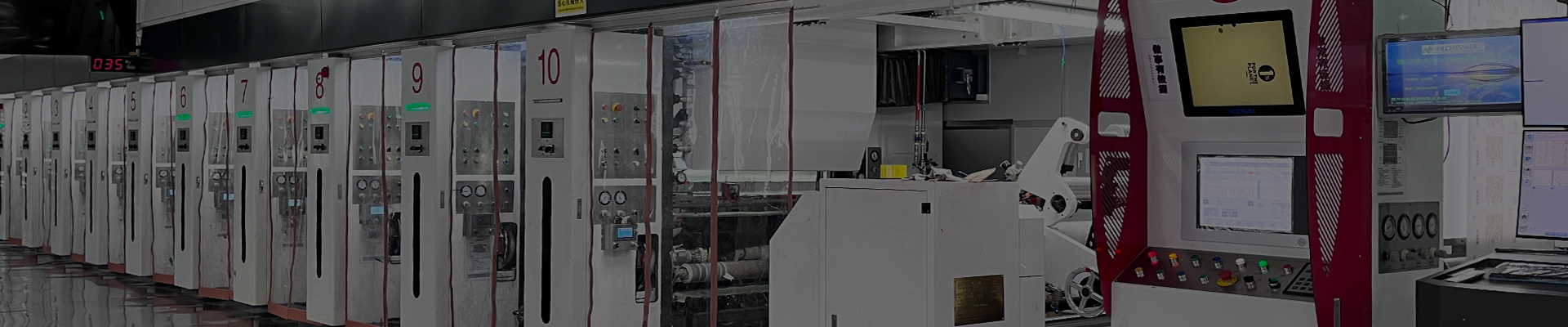
The paper materials are then made into printed material that is processed by automated cup-forming machines. These machines are used to form the cup body, close the sidewalls and formed rolled cup edges to enhance strength and usability.
Curling the edges properly enhances ease of drinking, as well as cup strength. Precision in sealing is also important since poor seals can lead to leakages during the service of beverages.
Automated machinery assists in enhancing consistency and efficiency of production particularly when it comes to high volume orders.
Step 4: Quality Check and Leak Testing.
It is also necessary to carry out quality control during the manufacturing process. Trustworthy suppliers carry out numerous checks prior to packaging and dispatch.
Such inspections may involve:
- Leakage testing
- Structural strength evaluation
- Printing quality checks
- Dimension accuracy inspection
Well-established quality management frameworks can be used to minimize the rate of defects and provide a consistent product performance level despite high production lots.
Step 5: Preparation of Packaging and Export.
Finished cups are packed after inspection depending on the needs of the customers. The export packaging should be able to safeguard products during transit and facilitate the effective loading of the containers.
The established export suppliers will also prepare shipping documents and logistics of international orders. Effective export preparation will minimize the delays in delivery and transportation risks.
How to Choose a Reliable Paper Cup Packaging Supplier
One of the key decisions that beverage brands, importers, and distributors make is to select the appropriate supplier. The supplier must offer consistent production, adaptability to customization, and be willing to cooperate in the long run.
Assess Flexibility of Manufacturing Capacity and MOQ.
Capability in production has a direct impact on order stability and lead times. Large-scale buyers ought to consider factory capacity, amount of machinery, and monthly production volumes before ordering large quantities.
It is also essential that MOQ is flexible and is typically required of new brands trying out custom packaging ideas. Other suppliers accept small trial orders before the large scale production commences.
This assists business to minimize inventory risks and enhance the flexibility of packaging development.
Check Printing Quality and OEM Support.
One of the key strengths of beverage brands that want a specific packaging is their OEM capability. Custom sizes, logo placement, surface finishes and special design requests should be supported by reliable suppliers.
Professional suppliers, as well, may offer packaging suggestions regarding the type of beverage, branding objectives, and the circumstances of transportation.
Good OEM support assists brands in designing packaging which enhances functionality and positioning.
Check Export Certifications and Food Safety Standards.
Packaging products of food should be in accordance with international safety standards. Buyers ought to ensure that the suppliers present the right certifications and testing reports.
Significant standards can be:
- Food-grade safety compliance
- Quality management systems
- Environmental certifications
Cooperation with certified suppliers will minimize import risks and enhance reliability of supplies in the long term.
Measure the Sampling Speed and Communication Efficiency.
The effectiveness of communication has a great influence on the project development and timeline of production. Late replies or vague technical descriptions can lead to expensive issues in the future.
Good suppliers tend to deliver:
- Stable delivery schedules
- Consistent printing quality
- Fast sample production
Fast sampling support enables buyers to analyze the quality of packaging prior to the beginning of mass production.
Trends in the future of Paper Cup Packaging.
Paper cup packaging is an industry that is still developing with the advancement of sustainability, branding, and technology in manufacturing.
Those suppliers who can adapt to these changes will have a higher chance of staying competitive at the global markets.
The Change towards Sustainable Packaging.
There is growing encouragement of recyclable and biodegradable packaging solutions by governments and consumers. This is driving manufacturers towards decreasing the use of plastic and enhancing material sustainability.
The future packaging process is likely to be based on the need to strike a balance between environmental responsibility and product performance and cost efficiency.
Digital Printing and Smart Packaging Trend.
The digital printing technologies permit quicker customization, reduced MOQ, and enhanced packaging design. Brands in the beverage industry can now design seasonal or limited editions packaging with ease and efficiency than before.
This tendency is particularly significant to those companies that heavily depend on social media marketing and brand storytelling.
The Effect of Automation on the Consistency of Packaging.
Automation assists manufacturers enhance the speed of production, decrease waste, and keep the quality standard constant. The accuracy of sealing and printing is also enhanced with modern automated systems.
To buyers, automation usually implies:
- Faster production cycles
- Better product consistency
- Lower defect rates
These benefits are even more significant to large-volume beverage packaging processes.
Conclusion
Collaboration with a professional paper cup packaging company will enable beverage brands to enhance the quality of the packaging, enhance branding, and enhance the long-term business development. Paper cup solutions have not remained as simple as a disposable package anymore. They have now taken functionality, sustainability and marketing value as a single product.
Single wall paper cup suppliers are no longer limited to single wall cups and biodegradable custom printed cups; suppliers in the current market need to offer more flexibility in manufacturing, higher quality of printing, and enhanced environmental performance. Companies that critically analyze supplier capacity, OEM support, production reliability, and export experience will find it easier to develop reliable and competitive packaging supply chains.
With the ever-changing sustainability regulations and consumer demands, the selection of the appropriate supplier will be even more crucial to beverage brands that may want to enjoy long-term success in the international markets.
FAQ
Some of the most commonly used paper cups in the beverage industry are single wall paper cups, double wall cups, ripple wall cups, and biodegradable paper cups.
Yes. OEM services such as custom logo printing, cup sizing, surface finishes and seasonal packaging designs are supported by most professional suppliers.
With the right materials and coating, high-quality biodegradable cups can be used to offer high insulation and durability in a number of applications involving hot beverages.
Where necessary, food-grade safety compliance, quality management certifications, and environmental documentation should be provided by the suppliers that are reliable.
The production schedules are based on order quantity and complexity of customization, although most production projects take several weeks to be produced and exported.
Post time: Aug-06-2026


