


PPWR Countdown: Is Your Brand Still in the Safe Zone?
Introduction: Is Packaging Just About Looking Good, or Is It Still Safe?

When a European buyer sees your coffee packaging, is design still the first thing they notice?
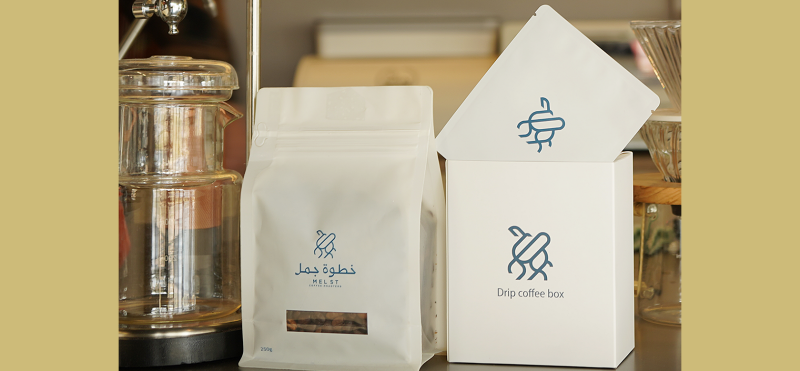
In the past, the answer might have been color, texture, layout, and shelf appeal.
But now, more and more European customers are asking more direct questions first:
- Is this packaging recyclable?
- Does the material structure align with future EU trends?
- Are the labels, materials, and environmental claims well-supported?
- Will there be EPR, recycling labeling, or declaration issues when entering markets like Germany, France, or Spain?
This is the shift brought by the PPWR countdown.
Packaging is no longer just part of brand visuals—it has become a “compliance gateway” for entering the European market. For coffee brands, roasters, specialty retailers, and cross-border businesses, whether packaging aligns with EU policy trends will directly affect market entry, buyer acceptance, and long-term brand trust.
So the question is:
Is your brand packaging really still in the safe zone?

1. What Is PPWR?
PPWR stands for Packaging and Packaging Waste Regulation, a new EU regulation covering the entire lifecycle of packaging. Its goal is to reduce packaging waste, improve recyclability, and promote reuse, refill systems, and the circular economy.
Simply put, PPWR does not target just one type of packaging or only plastic packaging. It applies to all packaging entering the EU market, including food packaging, beverage packaging, e-commerce packaging, transport packaging, retail packaging, and service packaging.
If your coffee bags, drip coffee packaging, cartons, cups, labels, outer boxes, or combined packaging are intended for the European market, PPWR may affect you.
The core principles of PPWR can be summarized in five points:
- First, reduce unnecessary packaging, such as avoiding over-packaging or excessive material use.
- Second, make packaging easier to recycle after use.
- Third, gradually increase the proportion of recycled content in plastic packaging.
- Fourth, improve labeling clarity so consumers can easily understand how to sort and recycle.
- Fifth, require brands to take responsibility for the entire lifecycle of packaging—from production to use to recycling.
In the past, many brands treated “eco-friendly packaging” as a marketing advantage. PPWR introduces a new logic: sustainability is no longer a bonus—it is becoming a basic requirement for market entry.
2.Why Talk About the PPWR Countdown Now?
This means PPWR is not just a policy issue—it is a system-level upgrade.
In the European market, buyers and brands are already screening supply chains in advance. They are not waiting for full enforcement before making decisions. Instead, they are proactively seeking suppliers who are stable, transparent, and prepared for compliance.
In other words, the real countdown does not start when regulations take effect—it starts when buyers begin asking questions.
Many brands have a misconception:
“Recyclability is required by 2030—so isn’t it still early?”
It may seem like there is still time, but the real impact has already begun.
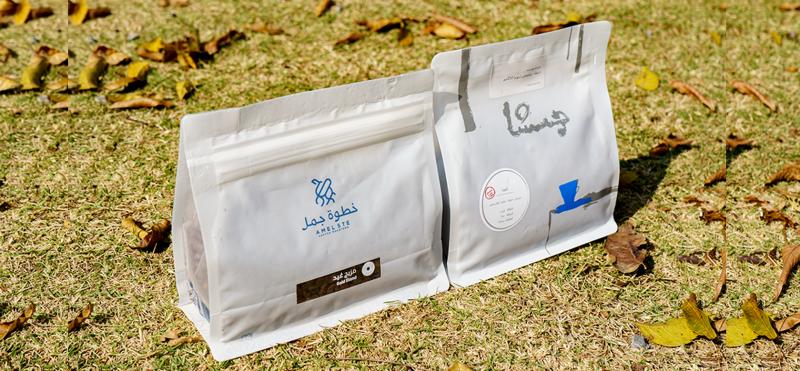
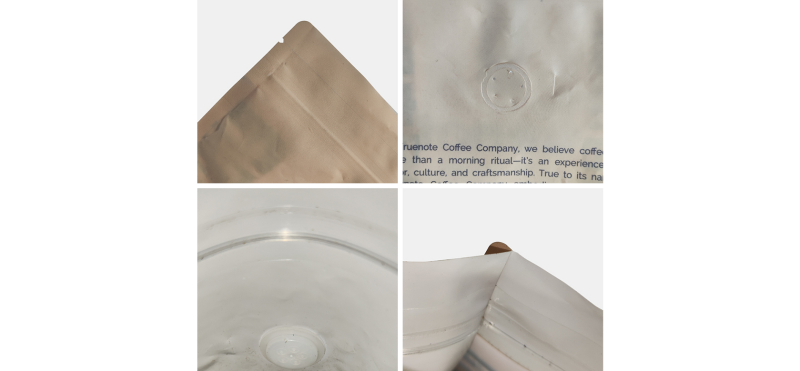
Packaging is not just about changing a design. For coffee packaging, material structure, barrier performance, printing processes, valves, zippers, bag types, label layout, and environmental claims all need to be evaluated together. Especially for specialty coffee brands, packaging must not only meet compliance trends but also preserve aroma, control oxygen exposure, maintain shelf life, and retain premium visual identity.
If a client asks today:
-
“Can you provide recyclable packaging?” -
“Is this structure compliant with PPWR requirements?” -
“Do you have mono-material options?” -
“Can this packaging support EU recycling trends?” -
Are your answers professional enough? -
Is your packaging solution ready? -
Can your brand turn “compliance” into “trust”?
3. Current PPWR Market Trends: What European Buyers Are Looking At
PPWR has already driven several noticeable changes in the European packaging market.
From “Eco Concepts” to “Material Evidence”
In the past, brands used terms like “eco-friendly,” “green packaging,” and “sustainable” to convey environmental positioning. Today, European buyers are increasingly focused on concrete evidence:
- What is the material structure?
- Is it mono-material?
- Is it compatible with existing recycling systems?
- Is there traceable material documentation?
- Are environmental claims accurate or exaggerated?
This shift significantly impacts coffee packaging. Traditional high-barrier coffee bags often use multi-layer structures such as PET, VMPET, aluminum foil, and PE. While effective for preserving aroma, they can be more complex in recycling systems.
As a result, the market is moving toward clearer structures, such as recyclable mono-material PE, PE/EVOH/PE high-barrier recyclable structures, and flexible packaging solutions better aligned with European recycling trends.

From “Single Package Appeal” to “System-Level Compliance”
European brands no longer evaluate packaging individually—they assess the entire system.
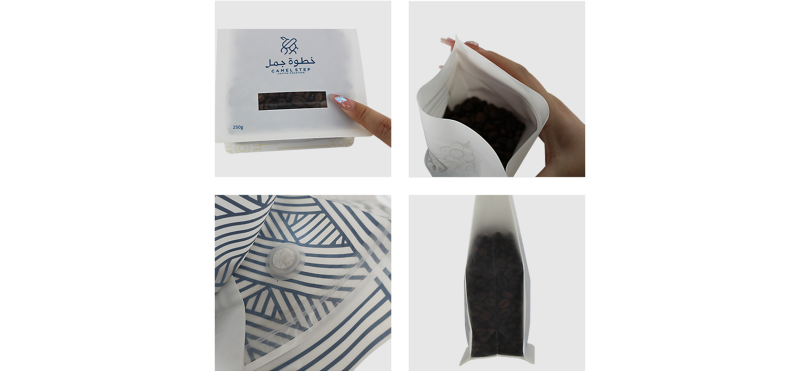
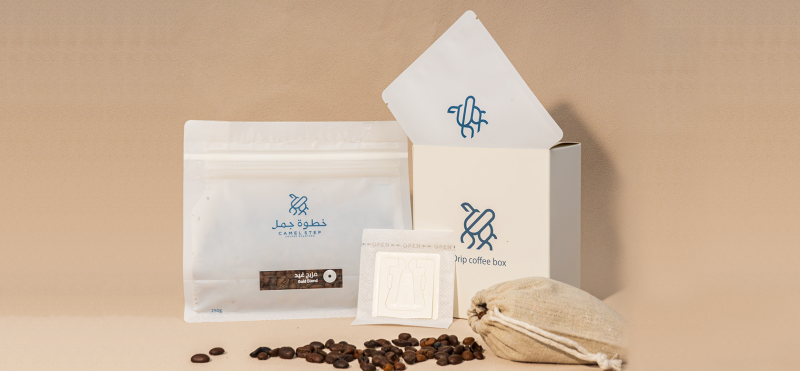
A coffee packaging solution may include the outer bag, valve, zipper, label, outer box, and shipping carton. Any component can affect overall recyclability. Even if the main bag is recyclable, labels, inks, finishes, or accessories may require reassessment.
This is why packaging design can no longer be driven solely by aesthetics—it must integrate brand strategy, supply chain, material engineering, printing processes, and regulatory considerations.
From “Luxury Packaging” to “Refined, Rational Aesthetics”
PPWR does not eliminate aesthetics—it elevates them.
- Less excessive decoration.
- Less unnecessary material layering.
- Less unexplained complexity.
- More structural clarity.
- More material transparency.
- More visual res
- More brand credibility.
True premium packaging is not about piling on processes—it is about making consumers instantly feel that the brand understands both its product and its responsibility.

4. Is Your Packaging Still in the “Safe Zone”? Ask These 5 Questions
Under the PPWR countdown, brands can start with these five self-assessment questions.
Question 1: Is Your Packaging Structure Easy to Explain?
If a client asks, “What material is this bag made of?”
Can you give a clear answer, or only say “composite material”?
If a structure cannot be clearly explained, it is difficult to build trust in the European market. Especially for coffee packaging, brands must explain why a material is chosen, how it protects coffee, whether there are more recyclable alternatives, and which markets it suits.

Question 2: Does Your Packaging Rely Too Much on Complex Materials?
Many brands layer metallic finishes, matte films, spot UV, hot stamping, specialty films, and multi-layer structures for visual impact. In the new market environment, every material and process must be reassessed.
Not all processes are forbidden—but brands must ask:
Is this necessary?
Does it affect recyclability?
Is it just for a “premium look”?
Can the same effect be achieved more simply?

Question 3: Are Your Environmental Claims Accurate?
Terms like “recyclable,” “eco-friendly,” “low-carbon,” and “sustainable” cannot be used loosely. Brands must clarify whether claims apply to the entire package or only part of it, and whether recyclability is theoretical or aligned with local systems.
For B2B clients, accuracy matters more than exaggeration. European markets increasingly scrutinize green claims, and over-marketing can backfire.
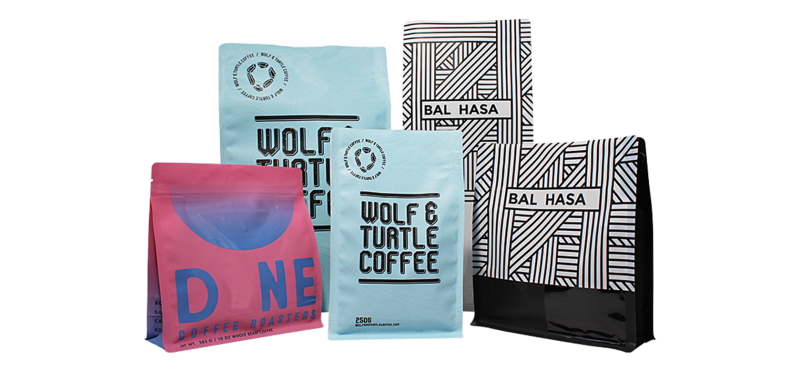
Question 4: Does Your Label Layout Reserve Space for Compliance?
Packaging labels will become increasingly important. Material information, recycling instructions, QR codes, manufacturer details, and environmental claims all require space.
This means design must go beyond front-facing visuals and plan for back-panel information. For coffee bags, the back is no longer just for flavor notes and brand stories—it is also a key area for compliance and recycling guidance.
Question 5: Can Your Supplier Support Long-Term Upgrades?
PPWR is not a one-time issue—it is an ongoing trend. Today you may need recyclable coffee bags; tomorrow you may need country-specific labeling; later you may require lower-carbon materials, PCR content, compostable options, or integrated packaging solutions.
If a supplier can only provide a single bag type without understanding brand, market, aesthetics, and compliance trends, you may face repeated challenges when entering new markets.

5. What Does PPWR Mean for Coffee Packaging?
Coffee packaging is a unique category. Unlike general dry goods, it must protect against oxygen, moisture, light, and odor. If recyclability is prioritized at the expense of barrier performance, flavor and shelf life may be compromised.
Therefore, coffee brands should not simply “switch to eco materials.” The correct approach is:
To find recyclable packaging structures that align with European trends while preserving coffee quality.
For example, mono-material PE structures support recyclability trends; PE/EVOH/PE structures enhance barrier performance within recyclable frameworks; digital printing reduces MOQ pressure and supports multi-SKU, small-batch production, market testing, and rapid updates.
For specialty coffee brands, this shift does not weaken brand identity—it redefines it.
In the past, premium coffee bags relied on heavy materials, metallic finishes, and complex processes.
Today, mature brands express premium value through material selection, restrained design, transparent information, and supply chain responsibility.
This reflects a more international aesthetic: clean presentation, refined texture, clear information hierarchy, logical material choices, and brand values that are easy to understand.
6. How Can Compliant Packaging Achieve International Aesthetics?
Many brands worry:
“If packaging must be recyclable, can it still look premium?”
The answer is yes.
Compliance does not sacrifice aesthetics—it gives it direction.


1. Replace Excess Decoration with Material Texture
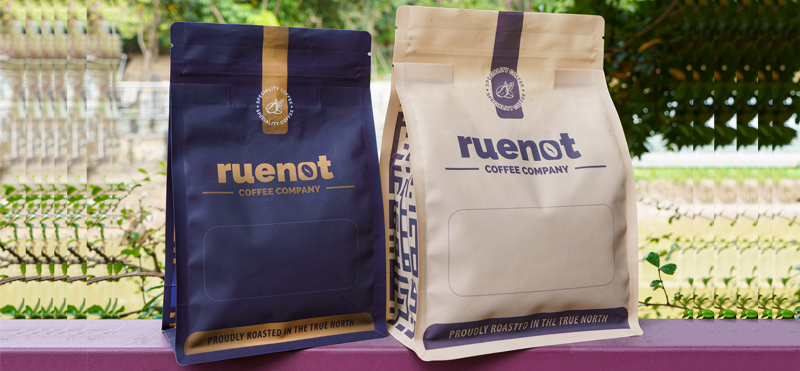
Matte recyclable materials, low-saturation colors, soft tactile finishes, and natural paper-like visuals can maintain a premium feel. Compared to strong metallic reflections and complex graphics, restrained material expression aligns better with European specialty coffee trends.
2. Build Professionalism Through Structural Logic
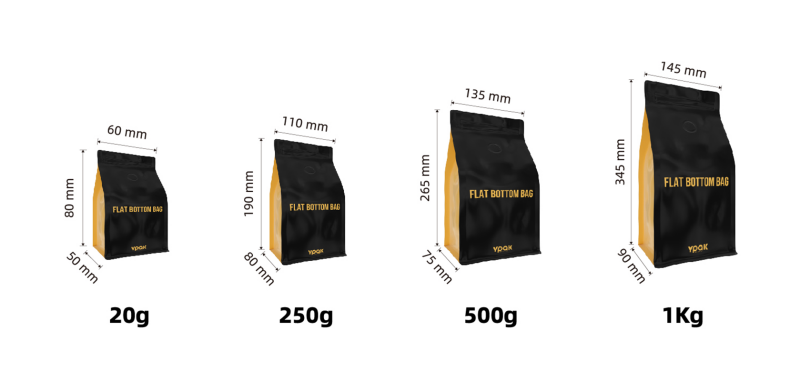
Flat-bottom pouches, side-seal zippers, one-way degassing valves, clear capacity labeling, and stable shelf display are key details for B2B clients. Packaging must appeal to consumers while demonstrating practical value in transport, display, storage, and repeat purchase.
3. Build Trust Through Transparency
Adding material information, recycling guidance, QR codes, and brand responsibility statements on the back panel turns sustainability from a slogan into a tangible brand asset.
4. Use Design Space to Adapt to Multiple Markets
Different European countries have varying requirements for labels, languages, recycling marks, and EPR systems. Overcrowded layouts make future adjustments difficult. Smart design reserves space for flexible adaptation across markets like Germany, France, Spain, and the Nordics.
5. Build a Brand System with Unified Visuals
For brands with multiple coffee lines, roast levels, or origins, recyclable packaging should not be a single product but a system. By standardizing bag types, information structure, and visual hierarchy, and differentiating SKUs through color or labels, brands can achieve compliance, aesthetics, and efficiency simultaneously.
7. How Should Brands Prepare Now?
Facing the PPWR countdown, brands do not need to panic—but they must act.
Step 1: Review Current Packaging Structures
Identify all materials used: outer layer, middle layer, inner layer, aluminum foil, metallized films, valve and zipper materials, and whether labels affect recyclability.
Step 2: Distinguish Essential vs. Optimizable Functions
Functions like freshness, moisture resistance, oxygen barrier, light protection, degassing, and sealing are essential. Decorative materials, excessive thickness, complex structures, or unnecessary outer boxes may be optimized.
Step 3: Develop Recyclable Packaging Options
Based on product positioning:
Entry-level: recyclable PE structures for daily sales and large volumes.
Premium: high-barrier recyclable structures balancing quality and sustainability.
Gift: paper boxes and labels combined with bags, avoiding over-packaging.
Testing: digital printing for small batches and rapid market validation.
Step 4: Redesign Packaging Information
Back panels should include not only flavor notes but also brand details, material information, storage instructions, recycling guidance, and compliance space. For European exports, multilingual and recycling label space should be planned from the start.
Step 5: Choose a Supplier Who Understands European Trends
A good supplier does more than produce bags—it integrates materials, processes, aesthetics, compliance, and business needs into one solution.
This is especially important for mid-to-high-end coffee brands, which need not just packaging, but a system that supports international market entry, brand premium positioning, and reduced future redesign risks.
8. PPWR Is Not a Limitation—It Is an Opportunity
Many brands see regulations as pressure. But from another perspective, PPWR is also a filtering mechanism.
As standards rise, low-quality packaging without material logic and relying solely on low prices will struggle. Brands that focus on long-term value can use this shift to build early advantages.
Future European buyers will not only consider price—they will evaluate materials, compliance, recyclability, credibility of environmental claims, and whether your supply chain can support long-term brand growth.
If your packaging already aligns with PPWR trends, it becomes more than a bag—it becomes a passport to the European market.
Conclusion: Compliance Is Not the End—Trust Is
The PPWR countdown has begun.
But the real countdown is not just about regulation dates—it is about how fast brands evolve.
As the European market increasingly values recyclability, material transparency, labeling, and credible environmental claims, brands must ask more than “Does it look good?”
They must ask:
- Can it enter future markets?
- Can it earn buyer trust?
- Can it communicate brand responsibility?
- Can it maintain premium aesthetics under compliance trends?
The future of packaging is not just greener or cheaper—it is about balancing function, aesthetics, compliance, and brand value.
If your coffee brand is entering Europe or preparing for PPWR trends, YPAK can provide one-stop solutions from material structure and bag design to printing and full packaging systems.
Want to know if your packaging is still in the safe zone?
If you are evaluating compliance or considering a transition to recyclable solutions, feel free to share your needs and current situation with us.
Let your packaging not only be seen—but trusted.



FAQ: Common Questions About PPWR and Coffee Packaging
No. Any packaging entering the EU market is subject to PPWR, regardless of whether the brand is from Europe, China, the US, the Middle East, or elsewhere.
Not necessarily. Brands should evaluate based on markets, structures, inventory cycles, and positioning. However, if entering Europe long-term, testing recyclable materials and preparing compliance information should start now.
It depends on the structure. Basic mono-material may not meet all high-barrier needs, but advanced recyclable structures can balance recyclability and preservation. Selection should consider bean type, shelf life, channels, and logistics.
Yes. Premium aesthetics do not rely on complexity. Matte textures, low-saturation colors, balanced layouts, clear typography, controlled finishing, and high-quality printing can achieve refined, international visuals.
Not exactly. It indicates alignment with PPWR trends and preparation for future requirements. Full compliance depends on specific markets, materials, usage, labeling, EPR requirements, and evolving regulations.
Three priorities: confirm current material structures, test recyclable alternatives, and reserve space for material information, recycling labels, and multilingual content in new designs.
Because policies, retail systems, consumer awareness, and EPR frameworks are driving packaging toward transparency, recyclability, and traceability. Recyclable packaging signals both sustainability and supply chain professionalism.
YPAK offers recyclable coffee bags, mono-material PE packaging, high-barrier recyclable structures, digital printing for small batches, flat-bottom pouches, stand-up pouches, drip coffee packaging, cartons, labels, and integrated packaging solutions.
Post time: Jun-26-2026


