


Recyclable Pet Food Packaging Supplier: A viable Sourcing Channel to sustainable Pet Food Brands.

The pet food market all over the world is quickly turning to greener packaging options. Yet, to most pet food brands, the decision to use recyclable packaging is no longer merely a trend to adhere to in the environmental context. Nowadays, freshness protection, packaging durability, retail presentation, consumer convenience and sustainability objectives need to be considered simultaneously by modern brands. Due to this fact, the process of choosing the appropriate supplier of recyclable pet food packaging has turned into a far more tactical process rather than simple purchasing of packaging. The brands are becoming more and more in need of suppliers who can assist in developing long-term packaging, consistent quality of production, and long-term material innovation.
Phase One: Spell out Packaging Objectives prior to approaching suppliers.
Most of the packaging projects are abandoned midway due to brands concentrating on pricing before they clearly stipulate on packaging requirements.
The process of professional packaging sourcing tends to start with the knowledge of the product and long term packaging goals.
Brands tend to analyse before assessing suppliers:
- Product category
- Shelf life expectations
- Retail environment
- E-commerce distribution
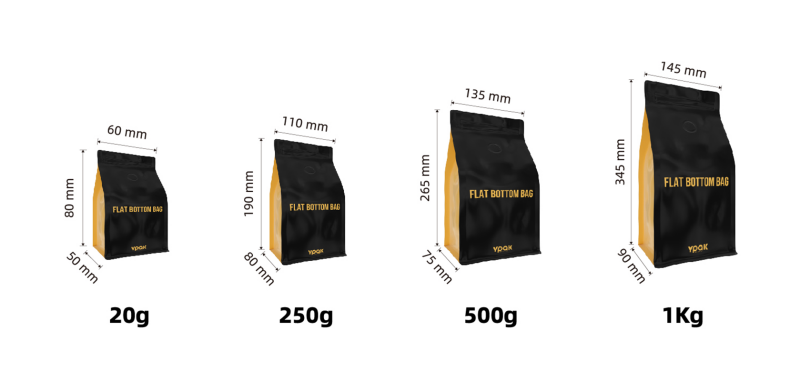
- Packaging size requirements
- Sustainability targets
This initial step prevents any unwarranted material choices and structural incompatibility during development.
The type of products determine the packaging protection requirements.
All types of snacks, soft treats, and nutritional supplements that are available in dry kibble or freeze-dried form need varying types of barrier protection systems.
Packaging Structure is affected by Sales Channel.
Online products may need increased product packaging strength as opposed to products that are primarily displayed on shelves.
Phase Two: Match Recyclable Materials with Pet Food Requirements
Once the packaging objectives are established, the brands tend to start with the analysis of material systems.
The conventional packaging of pet food may also be based on multi-layered designs that prove hard to recycle. The current trends in the development of recyclable packaging are more oriented to the simplified ones which can ensure the product protection of an adequate level.
Typical recyclable packages can be:
- Mono-material PE structures
- Recyclable flexible films
- Lightweight barrier laminates
- Food-grade recyclable materials
- Sustainable printing surfaces
The choice of materials should be very careful in terms of recyclability and practicality of the packaging.
Recyclability Should Be in Cooperation with Food Safety.
Sustainable packaging materials should not fail to meet food-contact safety regulations and storage conditions.
Material Strength Influence of Shelf life and handing.
Poor packaging can cause problems with sealing or transportation damages during the large-scale distribution.

Phase Three: Test Barrier Performance Instead of Trusting Claims
The main error in sourcing recyclable packaging is taking the word of suppliers based on their marketing statements.
Professional brands are becoming more and more verifying the performance of packaging by actual testing procedures.
Some common performance appraisals are:
- Oxygen resistance
- Moisture protection
- Grease resistance
- Aroma retention
- Seal integrity
The performance of the barrier has a direct effect on the freshness of pet food and stability of the products in the long run.
Dry Pet Food Moisture Control is Important.
The surplus moisture can influence the consistency of the texture and lower the quality of the product.
Oxygen Resistance Aids in Flavor and Nutrition Preservation.
Powerful oxygen blockers are used to preserve aroma, ingredients and nutritional value in storage.
Resealable Zippers Keep Freshness Better after opening.
Quality zipper systems will retain freshness and ease the process of everyday feeding.
Retail and Home storage with Stable Pouch Structures.
The use of stand up pouch designs aids in keeping products in place on retail shelves and also inside the homes of the consumer.
Phase Four: Review Closure Systems and Daily Consumer Use
The contemporary pet packaging needs to be able to work not only in the shipping and storage, but also in the day-to-day contact with the consumer.
Owners of pets often open, re-close, store and re-use packaging during the product lifecycle.
Due to this, the closure systems have become a significant aspect of packaging test.
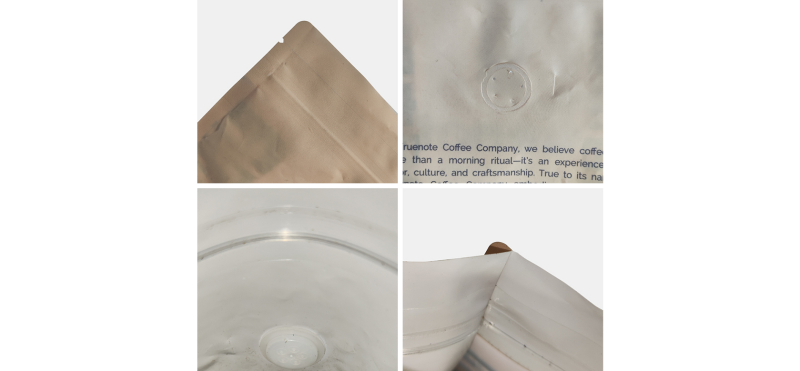
Phase Five: Evaluate Printing Quality and Brand Presentation
Packaging is now a key continuation of brand identity.
Customers tend to make their decision about the quality of the product by looking at the packaging, and only after reading the ingredients list.
Due to that, the quality of printing and visual constancy are significant in the evaluation of suppliers.
Brands are more and more oriented to:
- Printing clarity
- Color consistency
- Gloss and matte finishes.
- Sustainable ink compatibility
- Shelf visibility
The retail competitiveness and consumer perception are directly affected by the visual quality.
Brand Recognition is safeguarded by Consistent Printing.
Constant logo color and quality of print contribute to solid brand name over time.
Surface Finishing has an Impact on Premium Perceptions.
The product atmosphere of soft-touch matte finishes and clean layouts is usually more high-end.
Phase Six: Request Samples and Run Real Packaging Trials
One of the most significant steps in the development of packaging is sampling.
Professional buyers are starting to test packaging under realistic operating conditions as opposed to using supplier specifications.
The testing procedures can involve:
- Filling tests
- Drop tests
- Transportation simulation
- Sealing verification
- Shelf display evaluation
- Consumer usability review
Such tests are used to detect any structural weaknesses prior to large-scale production.
Prototyping Prevention of Big-Order risks.
Early testing excludes the chances of packaging failure during commercial distribution.
Filling in Real Products Unveils Packaging Frailties.
Other structural problems are encountered only when the pouch is filled with real products.

Phase Six: Request Samples and Run Real Packaging Trials
One of the most significant steps in the development of packaging is sampling.
Professional buyers are starting to test packaging under realistic operating conditions as opposed to using supplier specifications.
The testing procedures can involve:
- Filling tests
- Drop tests
- Transportation simulation
- Sealing verification
- Shelf display evaluation
- Consumer usability review
Such tests are used to detect any structural weaknesses prior to large-scale production.
Prototyping Prevention of Big-Order risks.
Early testing excludes the chances of packaging failure during commercial distribution.
Filling in Real Products Unveils Packaging Frailties.
Other structural problems are encountered only when the pouch is filled with real products.
Phase Seven: Supplier Production Stability Check.
Good sample quality is not sufficient to have long-term cooperation.
Brands should also consider the ability of the suppliers to ensure consistency in quality in mass production.
Some of the key areas of evaluation usually involve:
- Batch consistency
- Material sourcing stability
- Quality control systems
- Lead time reliability
- Defect management
- Production scalability
Through consistent production processes, the level of packaging risk is minimized, and the reliability of the supply chain in the long run is enhanced.
Batch Consistency is important to Retail Trust.
Lack of uniformity in packaging can have a bad influence on shelf displays and consumer trust.
Consistent Lead Times Promote Brand Development.
Regularity in the production schedules can assist the brands in having smoother stock management.

Phase Eight: Confirm Sustainability Documentation and Market Fit
There has been a growing need to address the issue of proper sustainability documentation in recyclable packaging projects.
The retailers and international purchasers usually demand evidence pertaining to recyclable frameworks, food safety and material conformity.
Due to this, the transparency of suppliers has been on the rise.
Documentation Support International Buyer Confidence.
Explicit sustainability records have the benefit of easing the export collaboration and retail license processes.
Transparent Sustainability Claims lessen the risk of marketing.
Proper recyclable claims can assist the brands to avoid deceptive environmental communication.
Phase Nine: Establish Long-term Pkg Development Partnership.
No longer are the best recyclable pet food packaging suppliers considered as short run production sources.
They are becoming more and more partners of packaging development in the long term.
Brands frequently need: As the pet food markets keep changing, they may require:
- New material testing
- Packaging upgrades
- Seasonal packaging designs
- E-commerce optimization
- Retail structure improvements
- Sustainability innovation support
The relationships with suppliers over the long term allow the brands to react to the evolving needs of the market more effectively.
Long-term Suppliers contribute to the enhancement of Packaging Strategy.
The stable relationships enable suppliers to get to know goals of brand positioning and packaging with time.
Future Pet Food Markets are supported by Continuous Innovation.
Continuous material and structural enhancements assist brands to be competitive in changing retail settings.
Conclusion
The process of choosing a recyclable pet food packaging supplier is far more than a cost and claims comparison of the packaging.
Brands of professional pet food are increasingly adopting a more organized sourcing strategy that assesses the packaging objectives, recyclability, barrier properties, usability, print quality, testing, stability in production, and sustainability reporting.
With the world pet food industry still focusing on high quality and environmentally friendly products, recyclable packaging will constitute a more significant component of long-term product strategy and competitiveness of retailers.
FAQ
It is a packaging that aims to enhance the compatibility of recycling, without compromising the freshness of pet food and product quality.
Yes. Many pet food products can be offered an effective oxygen and moisture barrier by recyclable materials that are used these days.
Barrier performance is used to maintain freshness, flavor, texture and nutritional stability during storage.
The buyers are to consider the sealing strength, transportation durability, printing quality and actual filling performance.
The brands ought to consider material expertise, testing capability, production consistency, documentation of sustainability, and effectiveness of communication.
Post time: Jul-29-2026


