


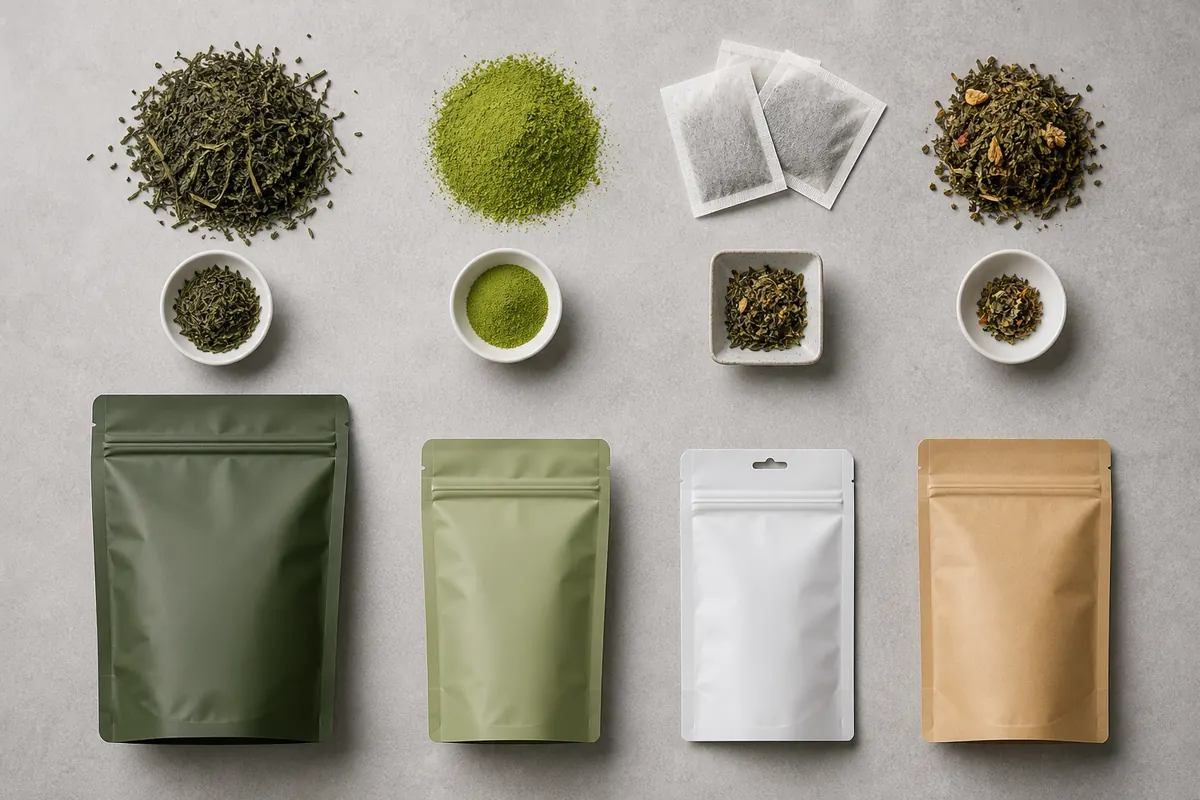
Packaging of tea pouches to be used should be chosen in respect to the physical appearance, sensitivity of the tea, quantity of filling, and majority of packaging procedure, place of sale and the presentation needed on the shelf. Individually wrapping tea bags, loose leaves, fine matcha powder, sample portions and food-service refills do not play well with a pouch.
In this order select the package: what the product is and what it does, size the pouch and display to the filling, define the system of barrier and seal needed, add no extraneous convenience features, and test the filled package in the actual distribution route.
Start With the Physical Form of the Tea
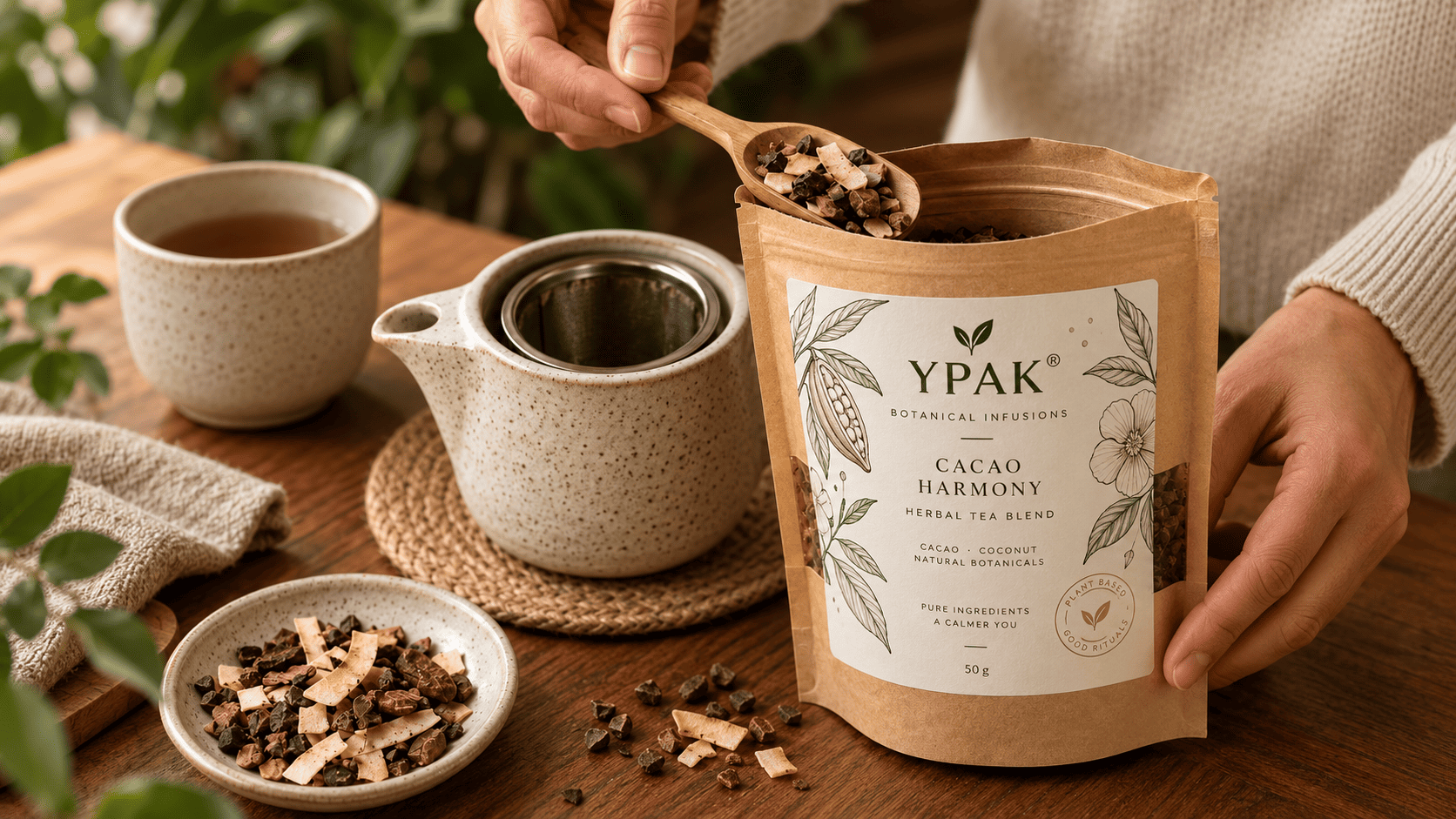
Big leaves should have sufficient interior volume in order to not be bound together when there is too much compressing. The fine powders will move into seals and zipper profiles and might need an extended, less messy opening routine. Tea bags should be individually wrapped and counted and kept out of moisture and aroma changing. Samples have an advantage of having portion control and having an opening signal.
Pair Pouch Shape with Filling, Display, and Use.
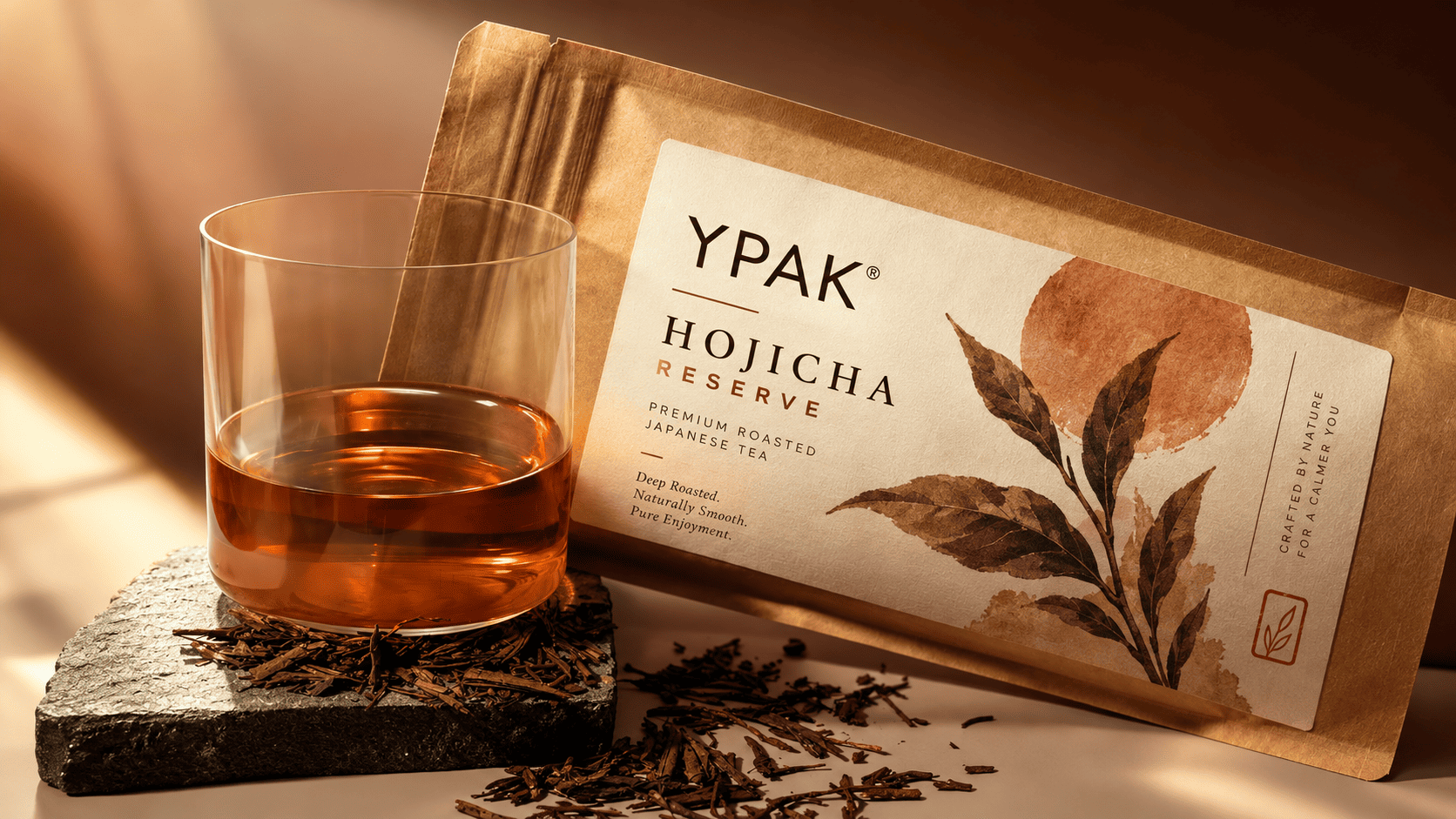
Stand-up pouches have a recognizable retail shape and wide frontal. Flat-bottom pouches offer a platform and a variety of panels to present. Properly designed side-gusset bags have the capacity to take advantage of larger fills, and can be packed efficiently. Flat pouches are suitable to samples, inner packs and smaller portions. The most suitable format is the stable format that can be filled with the desired tea.
Pouch around the Fill and Hand Movement.
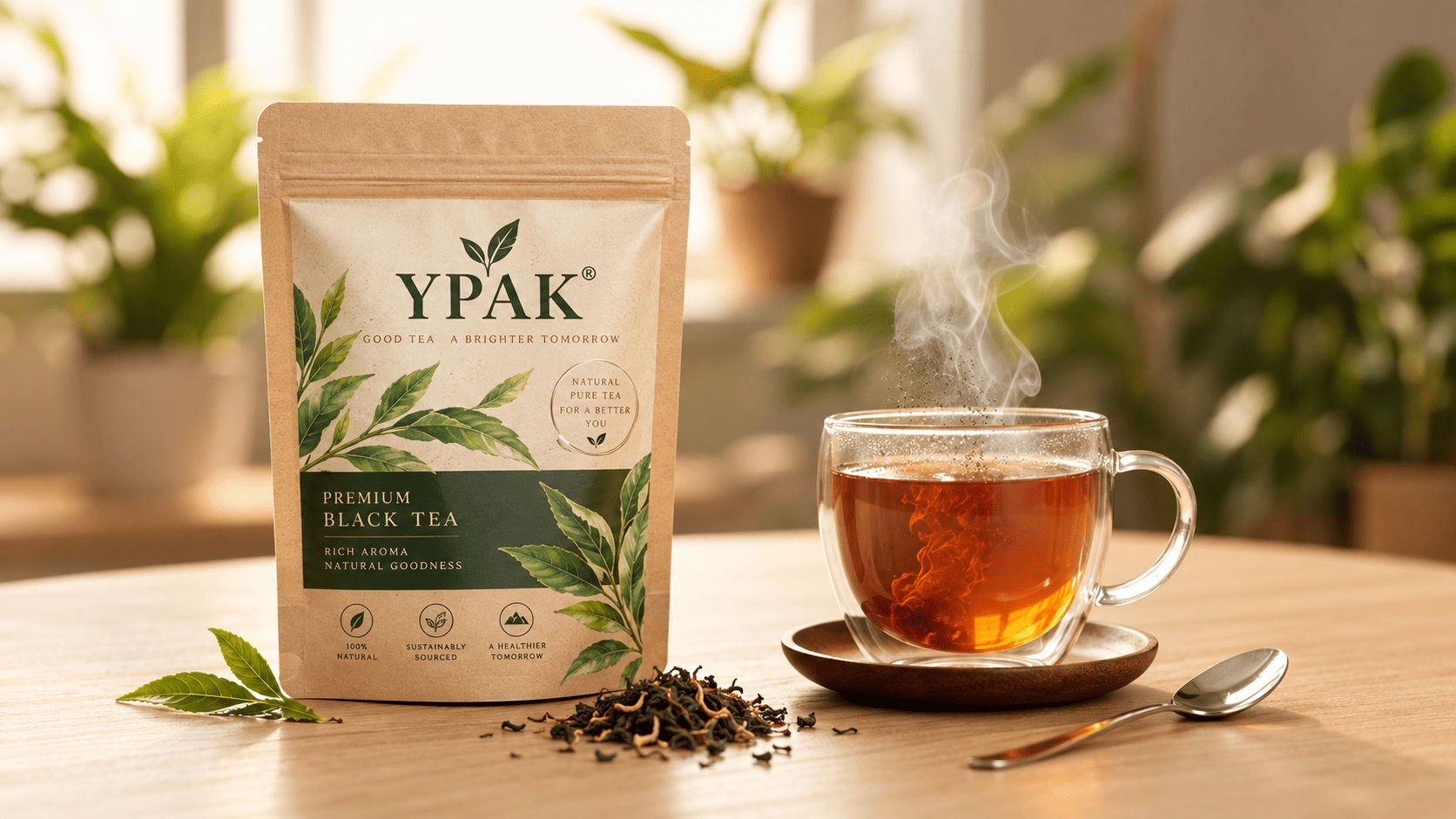
Nominal weight alone is not the determining factor to the dimension of the pouch. Supplied by the density of the powder, the size of the leaf, the headspace, the mode of filling and the type of opening that is supposed to be made, the required volume varies. Construct a stuffed sample with the real product or a substitute.
When used repeatedly, note the mode of reaching, scooping or pouring by the customer. A skinny pouch can be fancy and challenging to clean. A huge pouch can decrease the amount of packaging per gram, but stay open. Use size as a product-use choice as well as a cost-calculation.
Only Add Features to Solve Real Tasks.
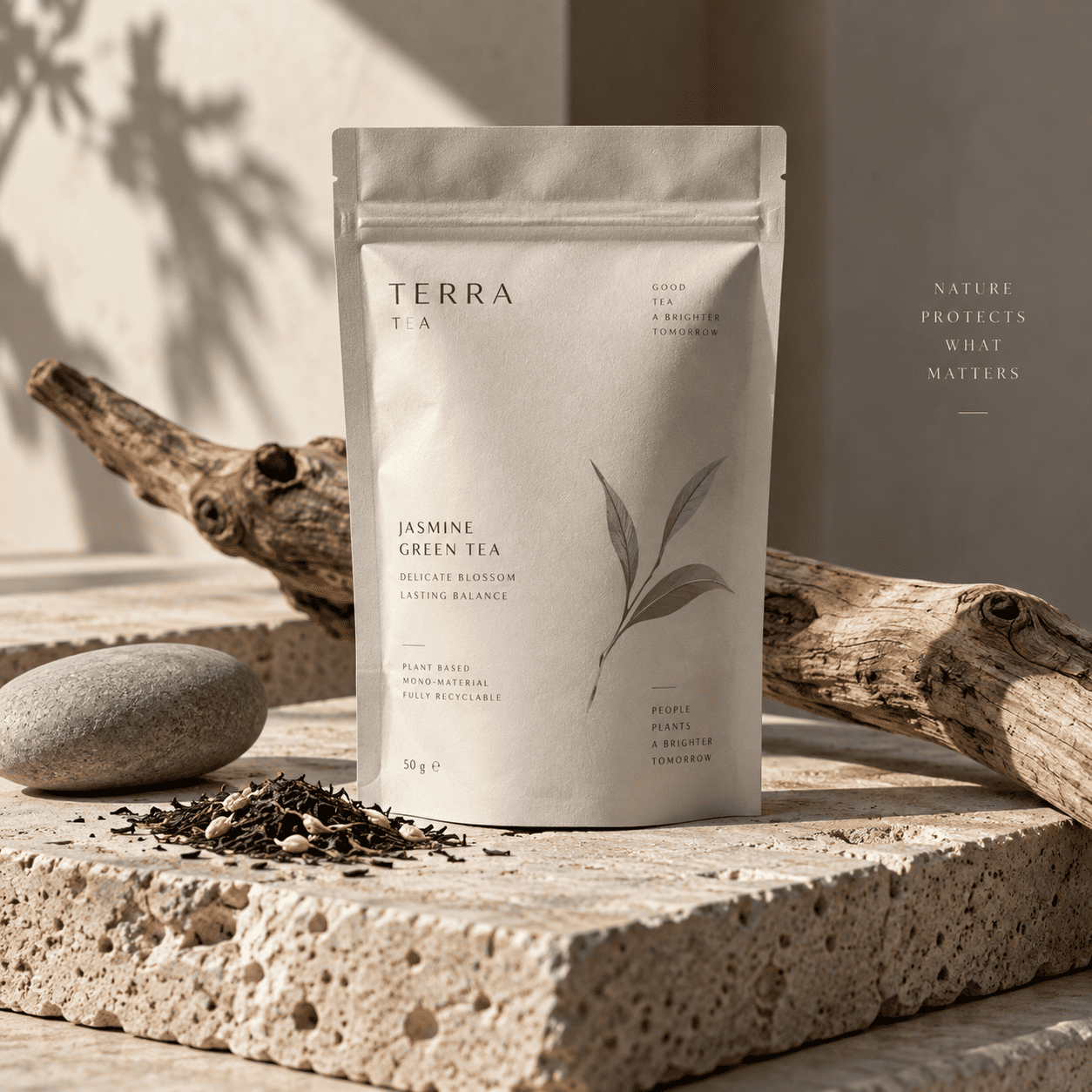
It has a zipper to facilitate reclosure but it is not instead of the original permanent seal. An opening of the tear must be made above the zipper that avoids jagged/narrow entry point. The product can be displayed in a window, but a light exposure, graphics and possibly the structure of material change as well. Hang hole influences the display process and the top part.
Set a Barrier Direction From Product Risk and Sales Cycle
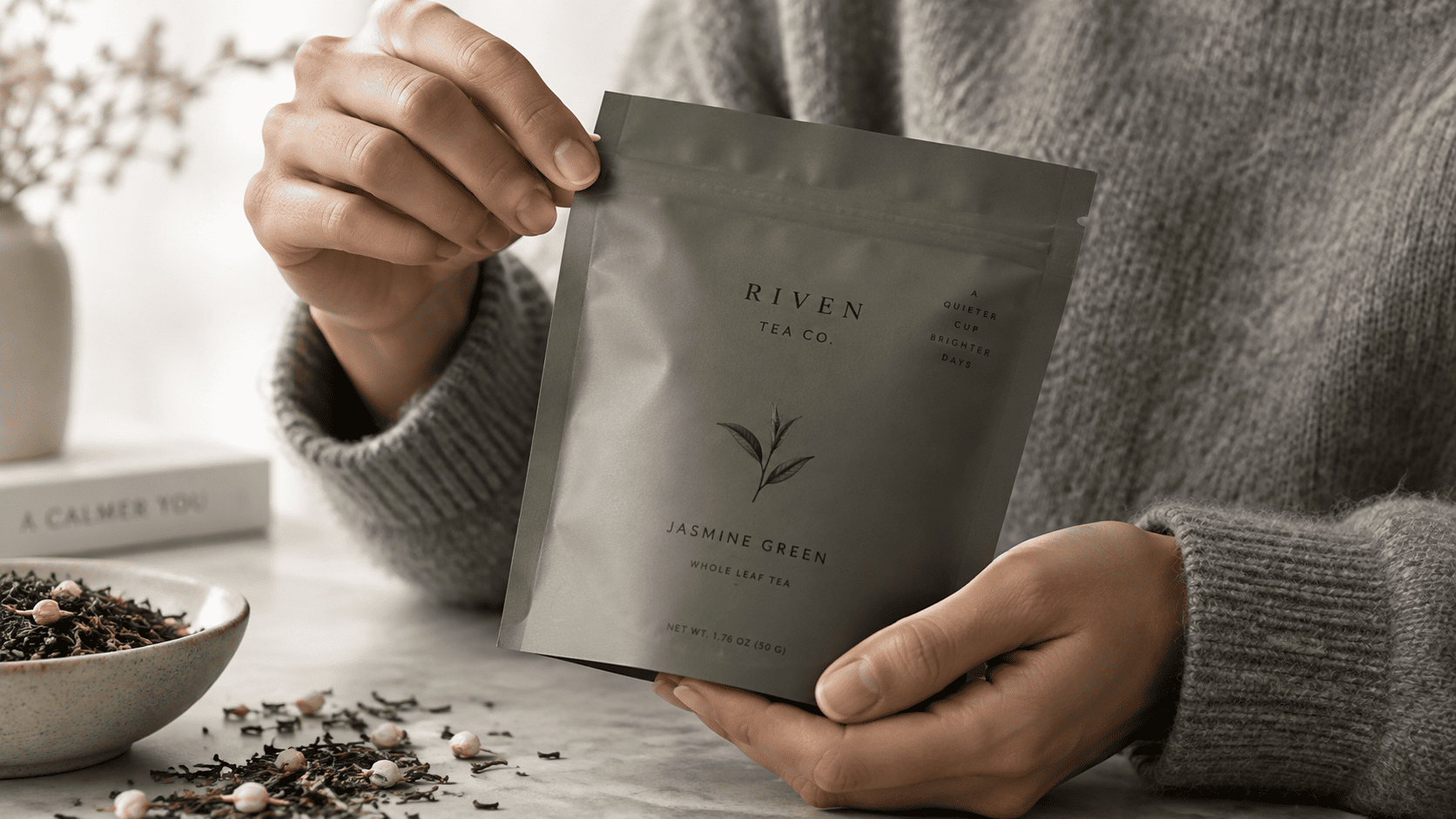
Moisture, oxygen, light, loss of aroma or absorption of odours around tea may cause changes to tea. Relative significance of the same is governed by the type of tea, processing, pack size, and distribution and projected storage. Never choose a structure because it is used by another tea brand.
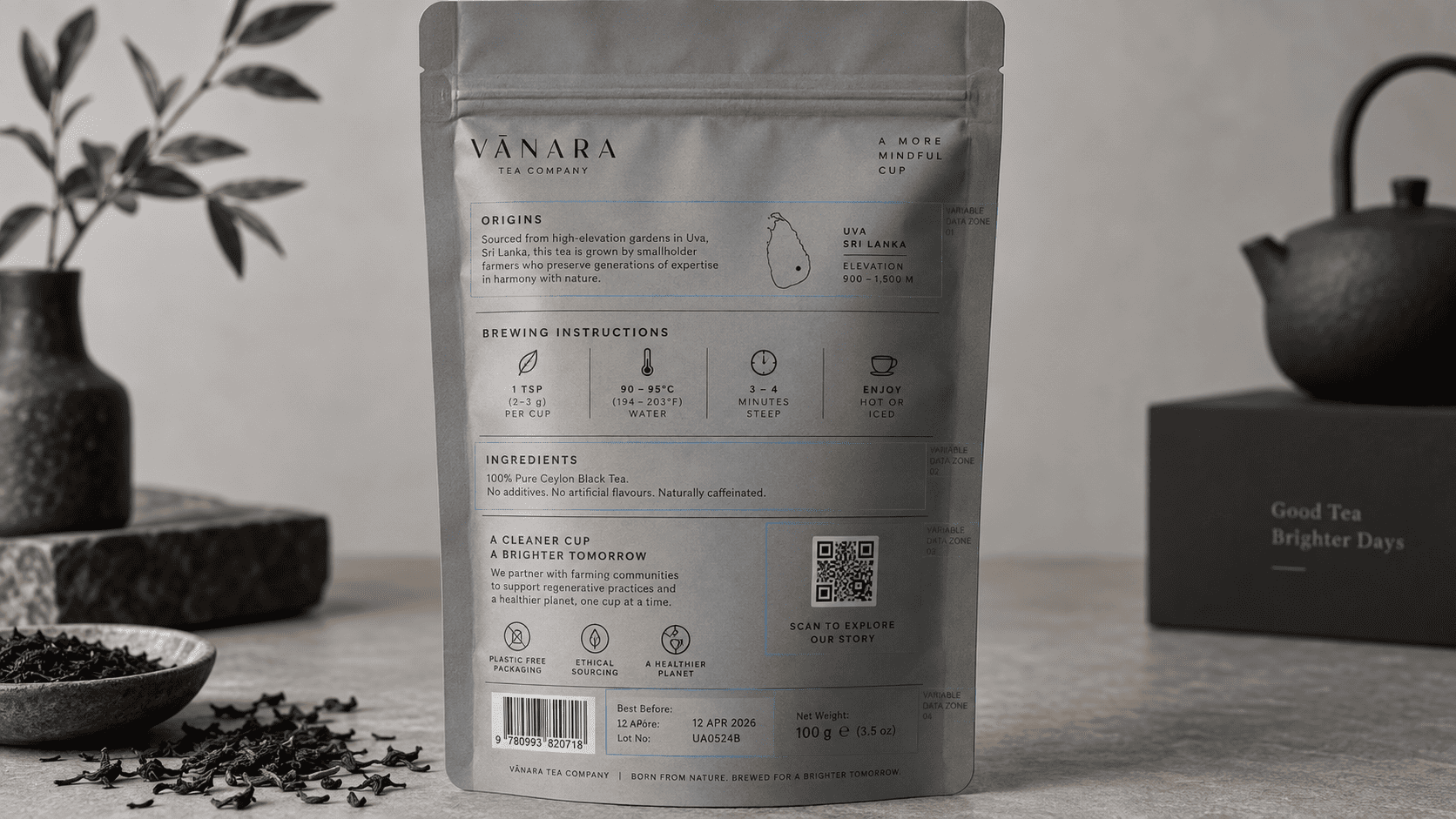
Request any applicable evidence on the mentioned test conditions, and verify the entire pouch. Seals, closures, windows, pinholes or converting quality are not captured in film data. Such marketing wording as high barrier must be related to a specific construction and product need.
Design the Channel to Deal with the Pouch.
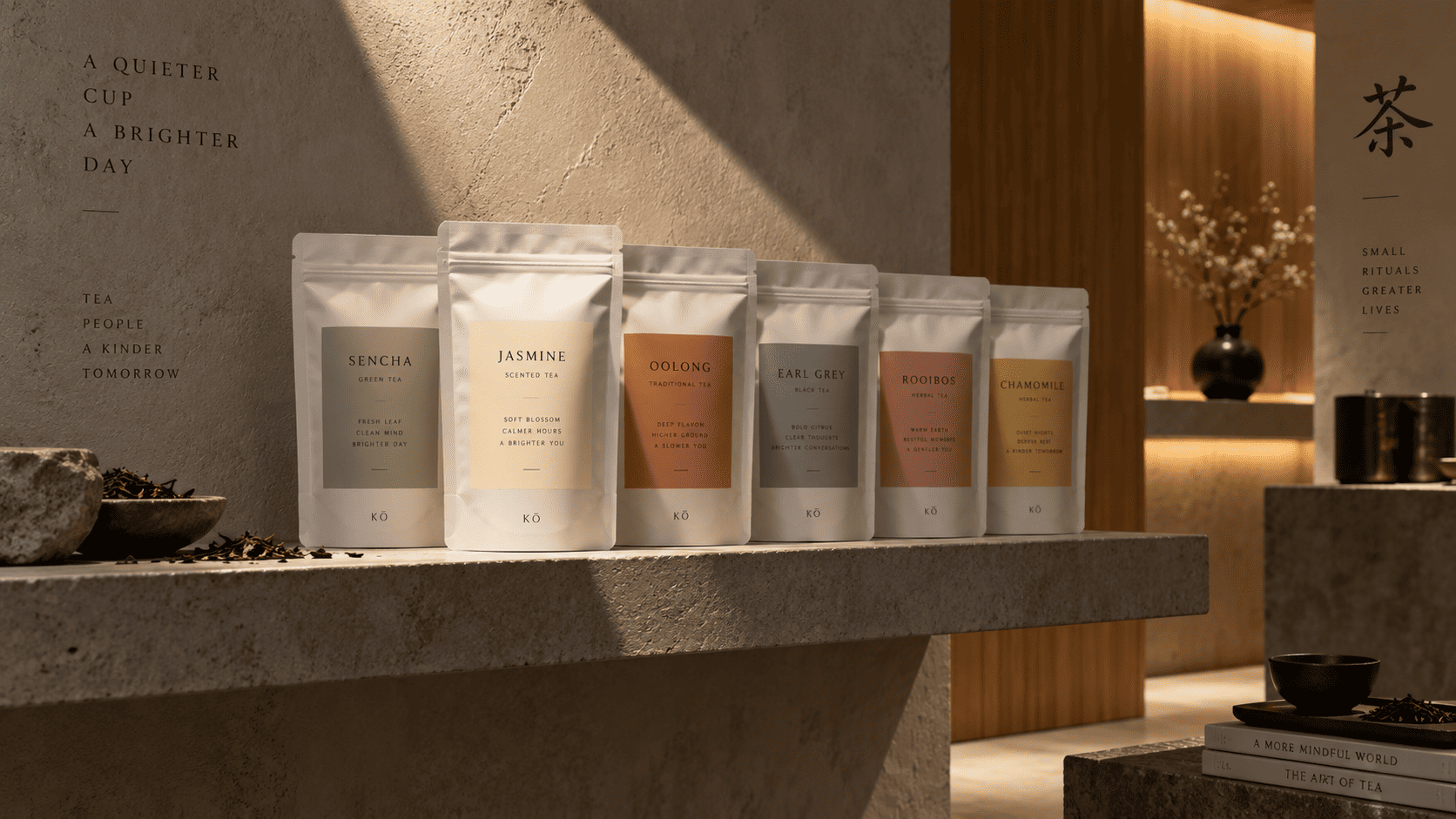
A retail pouch should be able to tell something in a short amount of time and be able to endure repeated use. Ecommerce pack should be able to fit in protective shipping without unnecessary empty space. Subscriptions can be in need of a standardized presence in rotating SKUs. The filling, carton efficiency, storage and frequent access should be facilitated by wholesale and food-service formats.
Evaluate the Pouch Inside the Complete Packaging System
Interactions between the pouch and a label, carton, shipping bag, display tray or gift component. Test that surfaces slide against one another, barcodes are still visible and size filled is appropriate to the secondary package. The coordinated system need not have all the components composed of the same substance; they must be able to do their job and have a common language of brands.
In the case of sustainability as the objective, consider the entire system instead of upgrading one part and introducing additional layers to other parts that are not needed.
Select by using a Filled-Pouch Selection Matrix.
Compatibility is a topic deserving of attention. Even a manually filled product in a boutique could endure getting opened and handled in a series of operations otherwise ineffective on an automated line. Inquire about the delivery of the pouch with the mouth open, whether it is delivered to the filling equipment with the opening, who is holding the pouch, how the permanent seal is done. Filler/brand/ supplier should mutually discuss the final dimensions and seal area as opposed to using separate drawings.
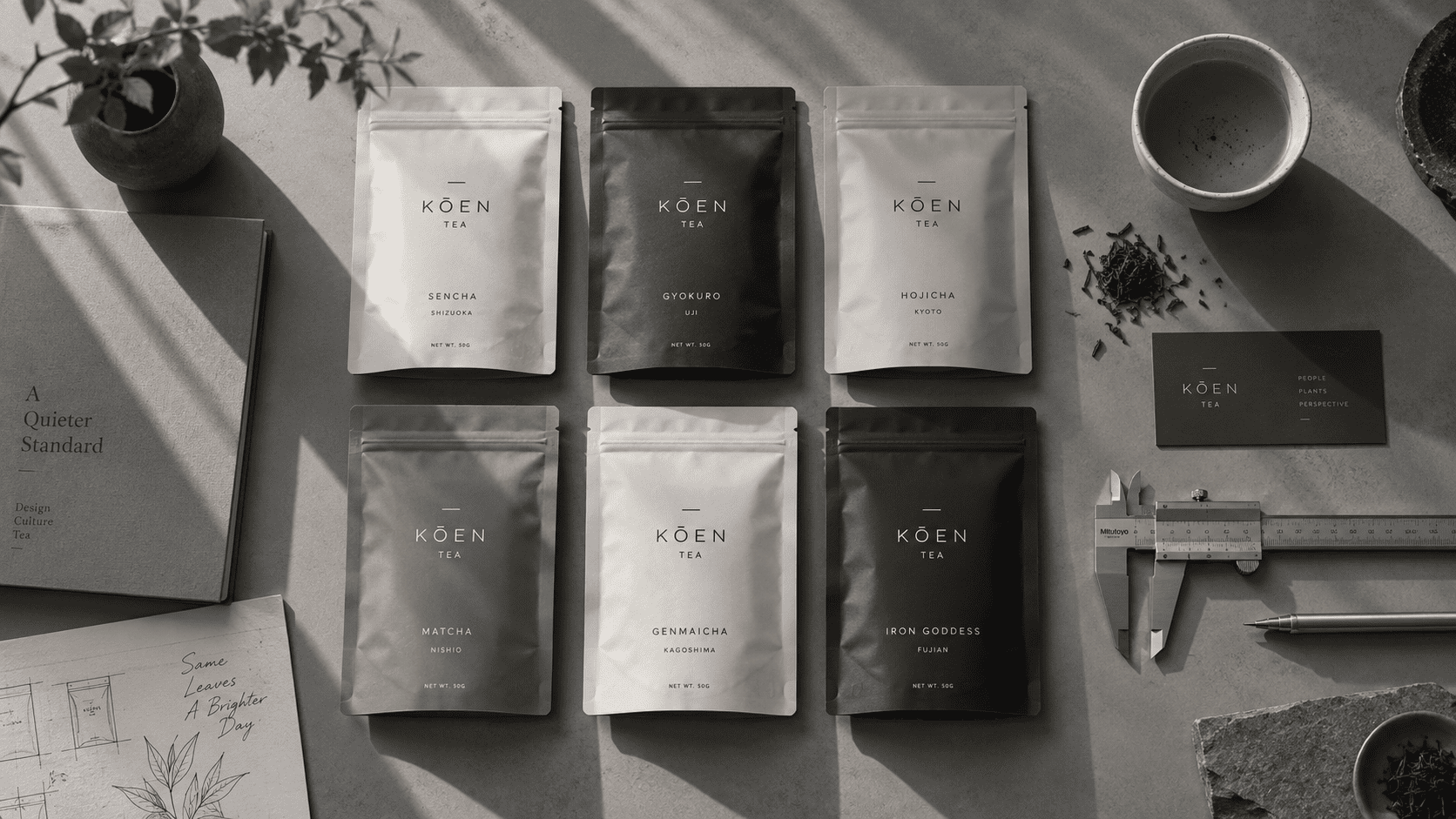
Presentation at shelves must be judged upon being filled, not on the spot. Falling leaves and powder, air shifts and pliable panels loosen. Check the standing of the pouch, the legibility of the front panel and the pressure of cartons on closures or windows. When a product is sold online, re-assess following a plausible parcel address.
Lastly, develop a reference that will be kept with each approved format. Take a photograph of the filled profile, note the product and fill weight, the revision number of the pouch and preserve the sample. This provides late SKUs and repeat orders with a physical standard without requiring all tea products to be of the same size.
Request customer service and retail to report frequent use issues post-launch. Having trouble accessing the final servings, powder lodging in the zipper, a poorly constructed shelf, or unclear indicators on opening it can inform the next improvement. Note down such observations by pouch specification and product instead of considering it as general preferences.
Tea Pouch Packaging Questions
What pouch should loose-leaf tea be in?
The response varies depending on volume of the leaf, weight of fill and sales channel and opening routine. Test candidate formats of leaves.
Should matcha be packed in a similar pouch as loose-leaf tea?
Not necessarily. Seal cleanliness, zipper behaviour and access, and loose leaves need varied internal volume are affected by the presence of fine powder.
Is a window on a tea pouch desired?
For products visibility to support the sales task, in addition to the full structure retaining light, barrier, printing and recovery demands.
Is it possible to have one pouch accommodate multiple tea products?
It can, but volume and access to the users can be tested on each product. Very large volumes can be filled by the same weight.
Post time: Sep-16-2026


