


A degassing valve is quite visible and thus tends to get all the scrutiny when comparing coffee bean bags. Nevertheless, even a bag with a valve may lose its aroma prematurely if oxygen goes through the laminate, the top seal is too porous or the zipper is not fully closed after use.
Freshness is determined by a protective chain. In the case of bags containing roasted whole beans, that chain starts with the barrier structure and extends through the valve, factory seal and how the customer closes the pack at home.
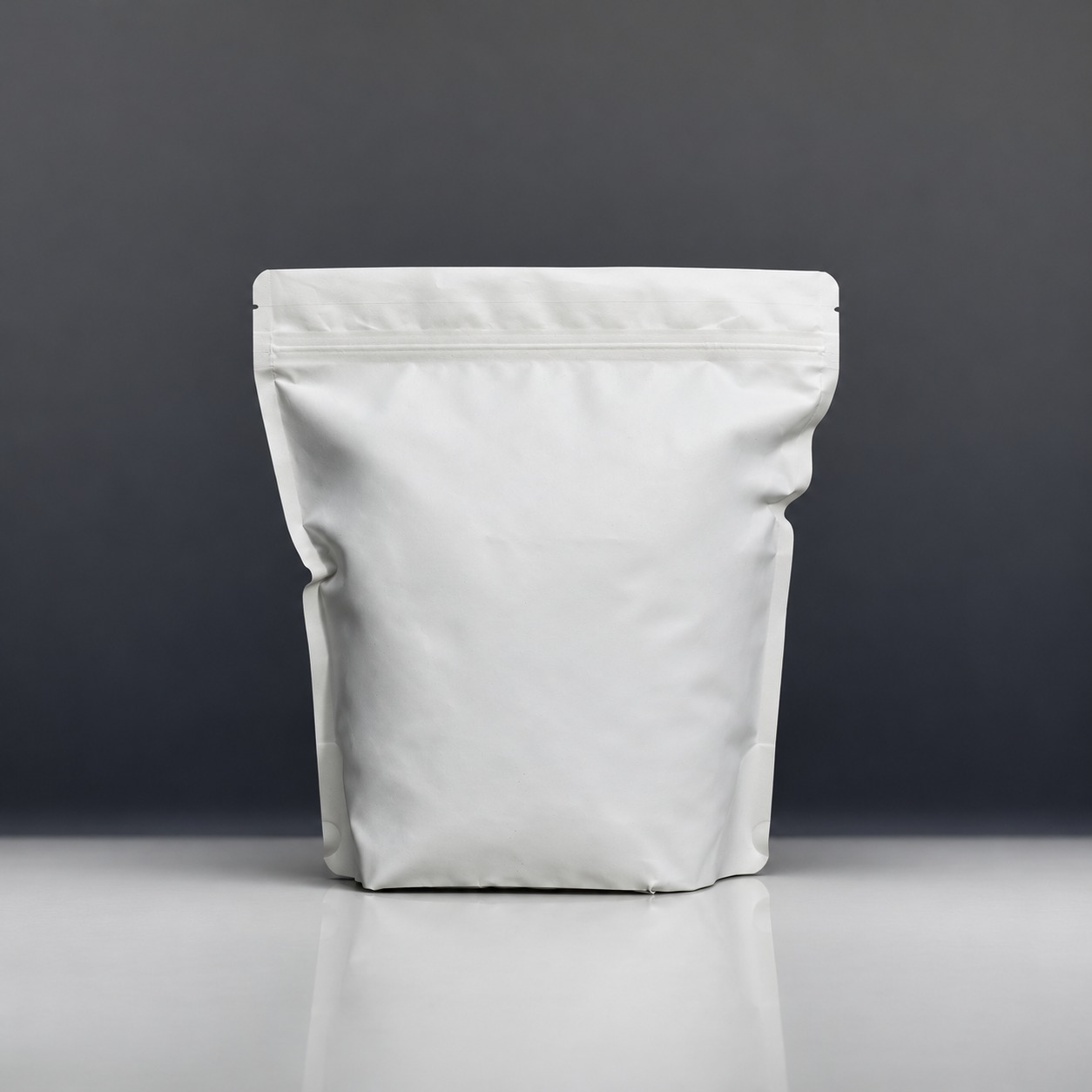
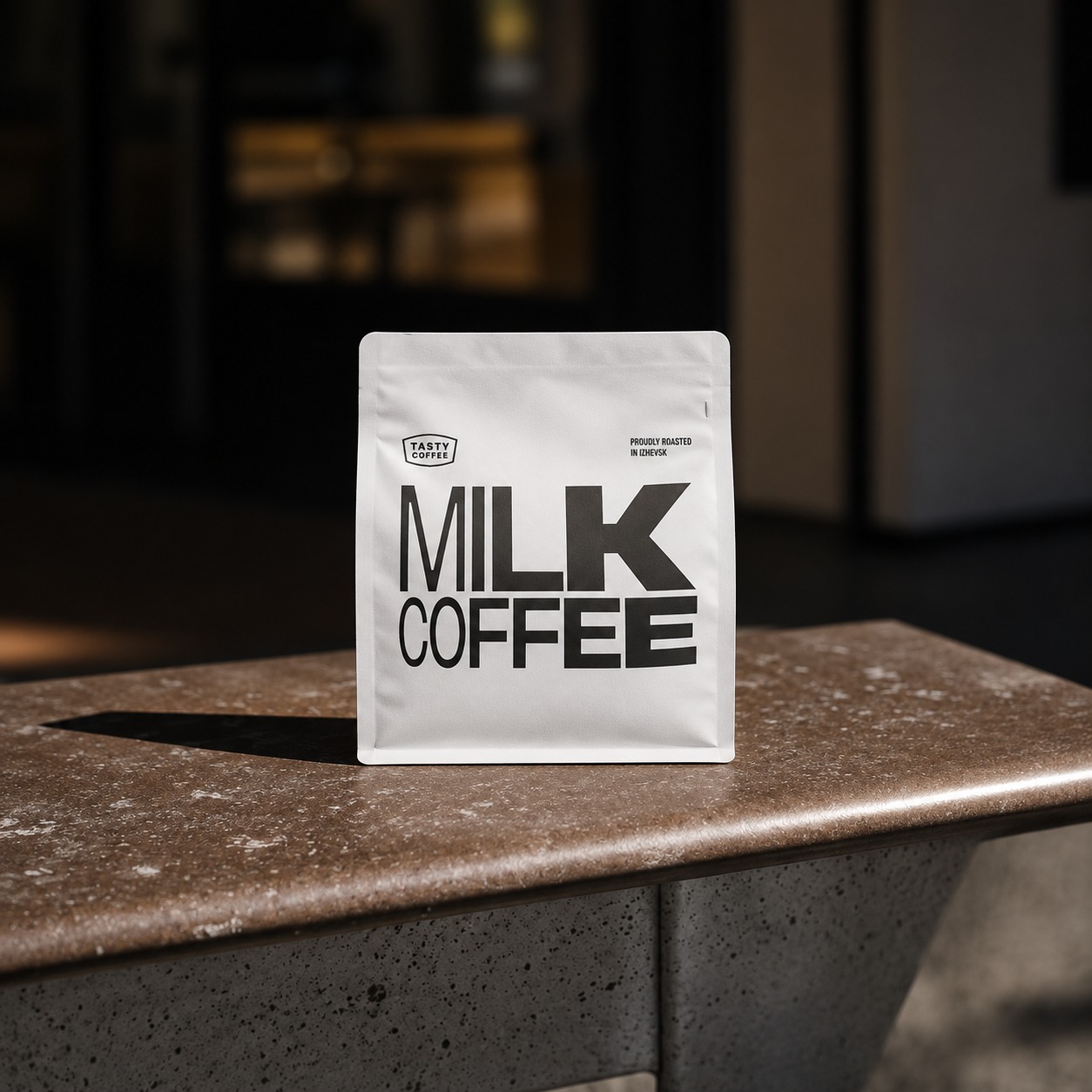
Related reading: coffee bag packaging for roasted coffee
There are More Than Two Ways Freshness Can Fail.
Aroma and flavor will be dulled by oxygen as coffee is distributed. Moisture may pass through an inappropriate structure or get inside every time the bag is opened. Further stress may be caused by light and heat. In the meantime, freshly roasted beans will emit carbon dioxide. This gas will expand a tightly closed bag that has no controlled escape path.
The protection necessary is determined by the time when the beans are packed, as well as how long they will spend in stores and the climates through which they will pass. Coffee sold within a local area over a relatively short sales cycle does not have the same exposure as a bag of coffee shipped through humid warehouses and kept in storage for months before sale. That route-to-market information must be provided to a supplier before a structure is recommended.
Laminate Covers the Coffee That Is Not Opened.
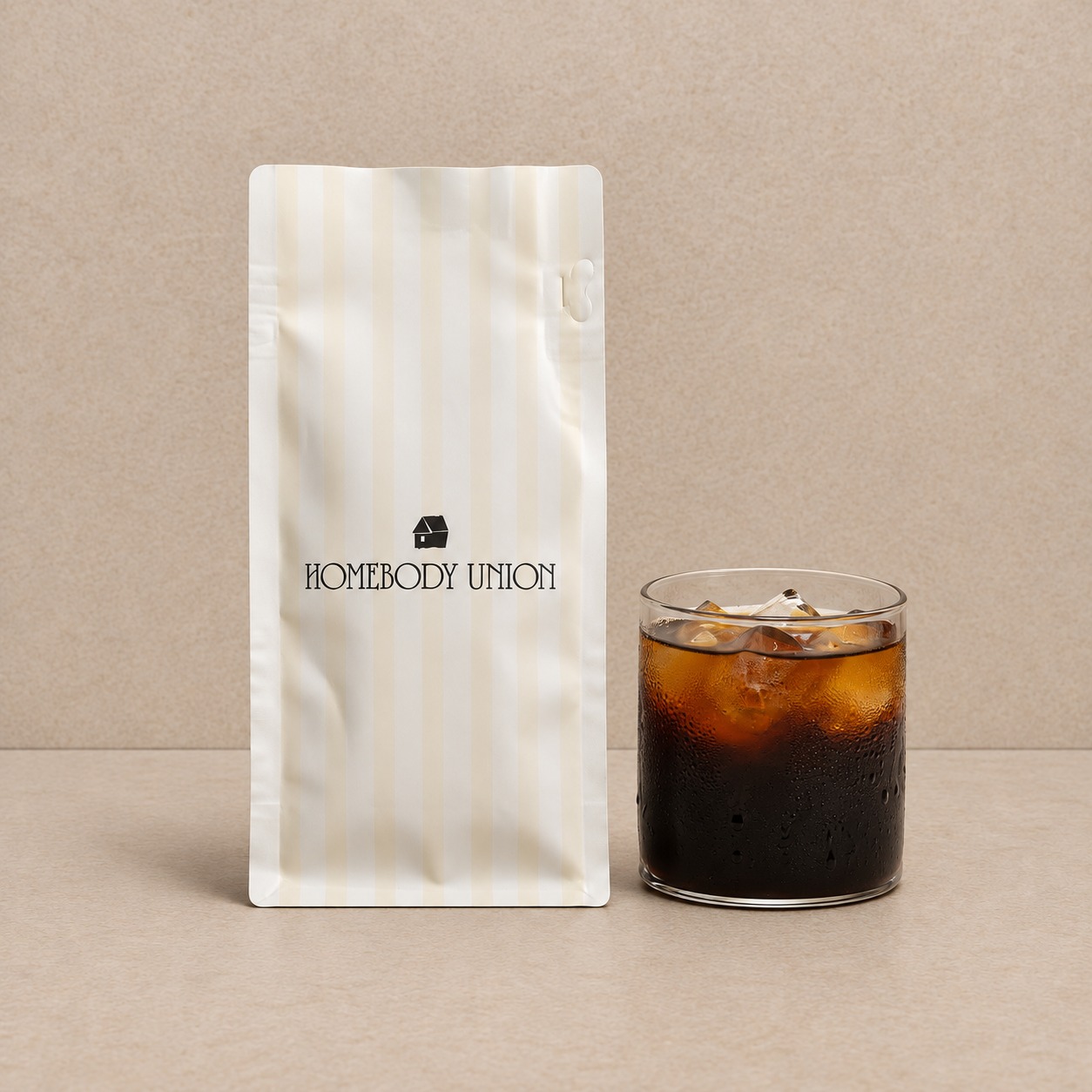
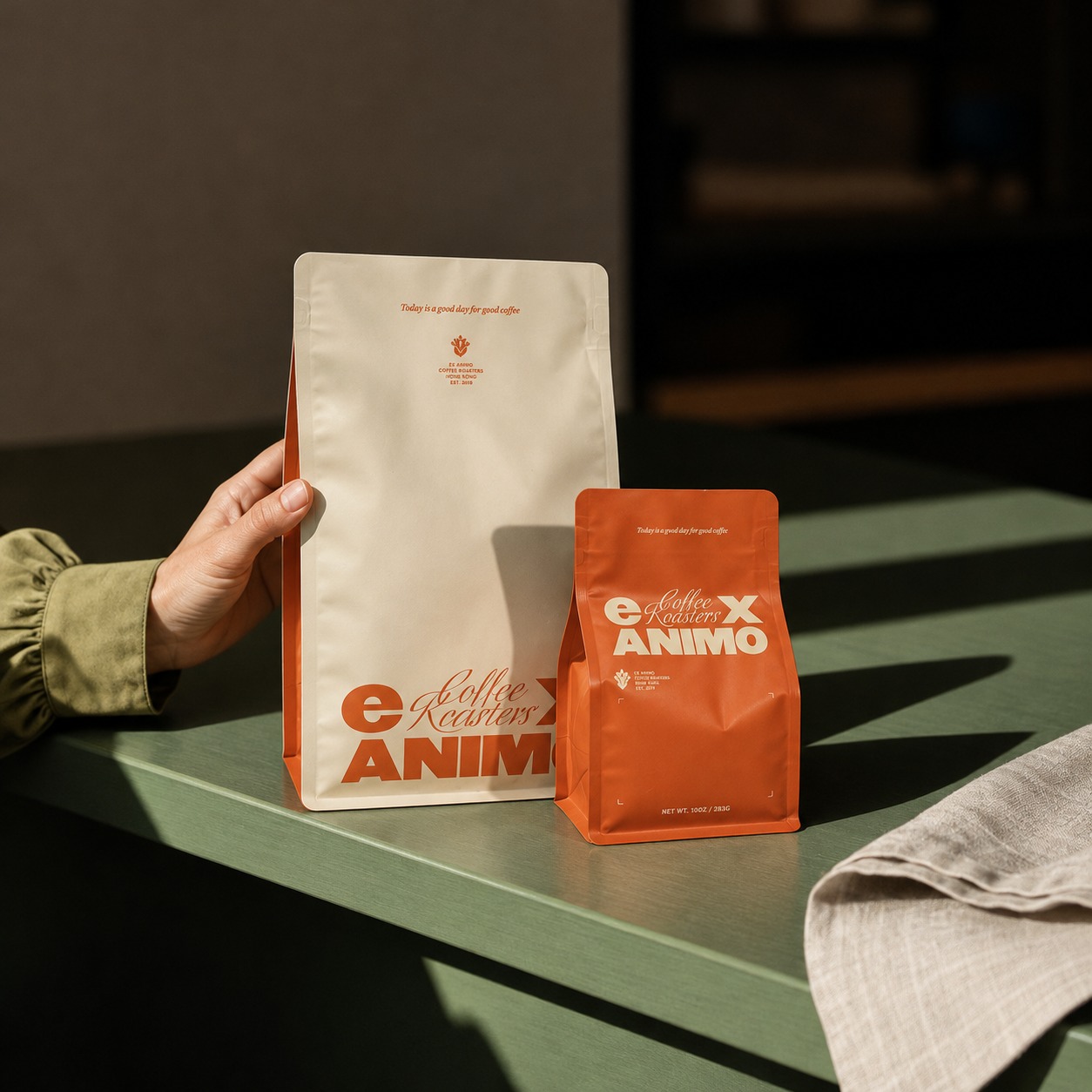
A coffee bag’s external appearance may be kraft, matte, glossy or metallic; however, barrier performance is not reflected in appearance. The entire construction provides protection. One layer may be used as a printable layer, the next may provide oxygen and moisture protection, and the inner layer should be dependable where it comes into contact with the product.
Inquire about the suggested material structure and why it is appropriate for the targeted shelf life. If the design has a clear window, check the portion of the product that is exposed and the amount that remains covered. When someone says “foil look” or “paper feel,” they are describing appearance, not performance data.
The Valve Can Control Gas, but Not a Weak Bag.

Carbon dioxide can continue to be released after freshly roasted beans are packed. A well-fitted one-way valve restricts outside air entry and provides a way out for that gas. This decreases the pressure within a pack and lets roasters pack earlier than would be possible in an entirely sealed bag without controlled venting.
The valve is not a substitute for the top seal or the barrier. It also should not be added habitually when it is not necessary for the product and packaging schedule. Review the roast-to-pack interval, bean behavior, headspace and distribution plan, and test the chosen valve in the finished bag rather than alone.
Related reading: see YPAK one-way valve coffee bags
The Laminate Can Be Overcome by a Tiny Channel in the Top Seal.

When filling, a bit of chaff or a piece of bean may rest where the sealing jaws are pushed together. A wrinkle may make another path. It might be hard to detect the fault, yet the package now lacks the protection that was presumed by the material specification.
Leave clean film at the top of the product and set the sealer to suit the selected laminate. Operators should be aware of what a sound seal looks like and when to reject a pack. Each time the film, pouch size or line speed changes, repeat the seal checks rather than relying on a formerly successful setting.
Once the First Opening, It Is the Zipper That Takes Over.
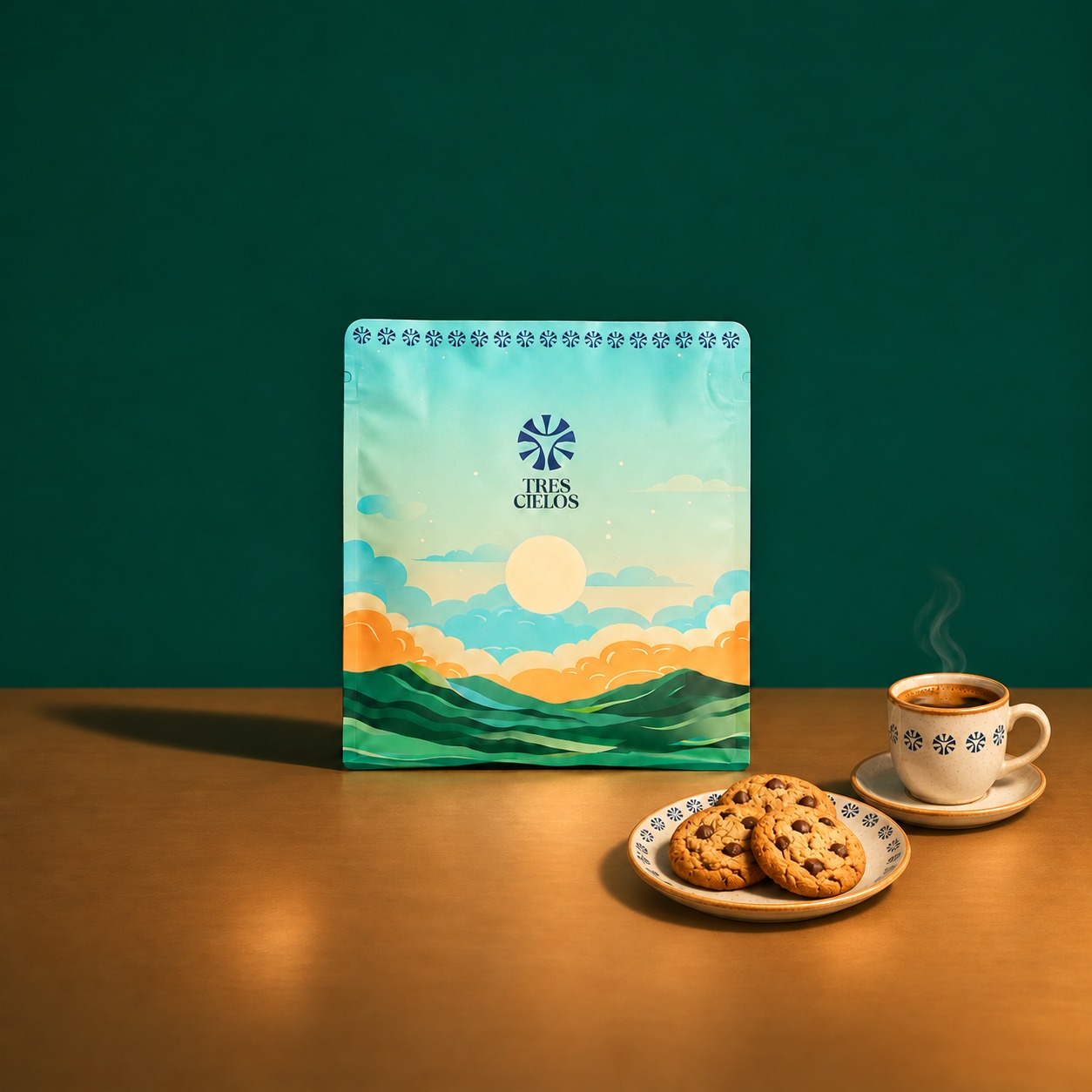
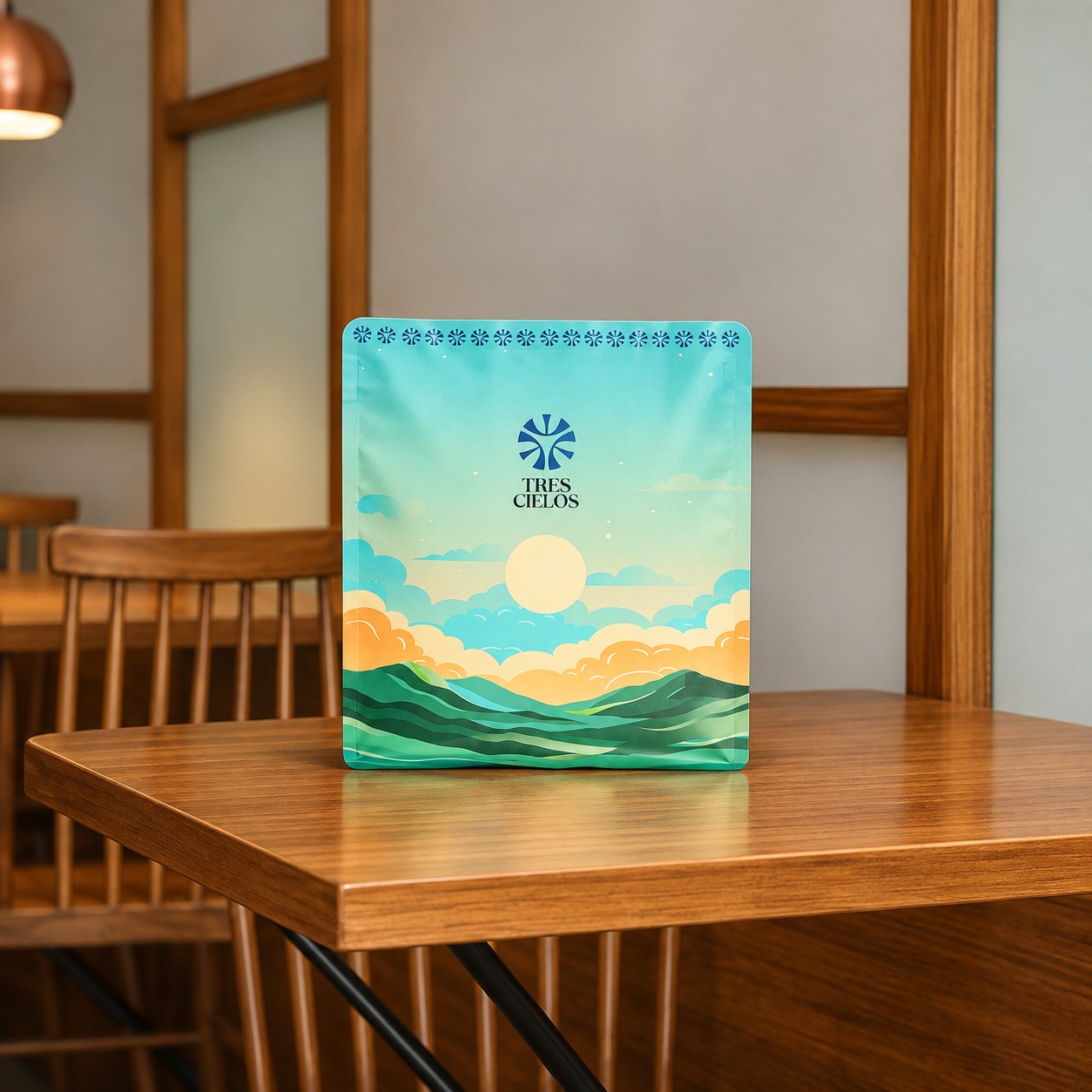
A heat seal is applied to the bag by the factory before it is bought. The seal is torn or cut, and it is only then that the zipper comes in handy. It must not trap beans, and it must be easy to line up when the pouch is half full.
Try the bag as a customer would. Open it, measure or pour coffee, squeeze out excess air and close it. Repeat the process over several days. This simple use test frequently reveals a zipper that is too narrow, too stiff or located where grounds accumulate.
Use a Freshness Test With the Actual Pack.
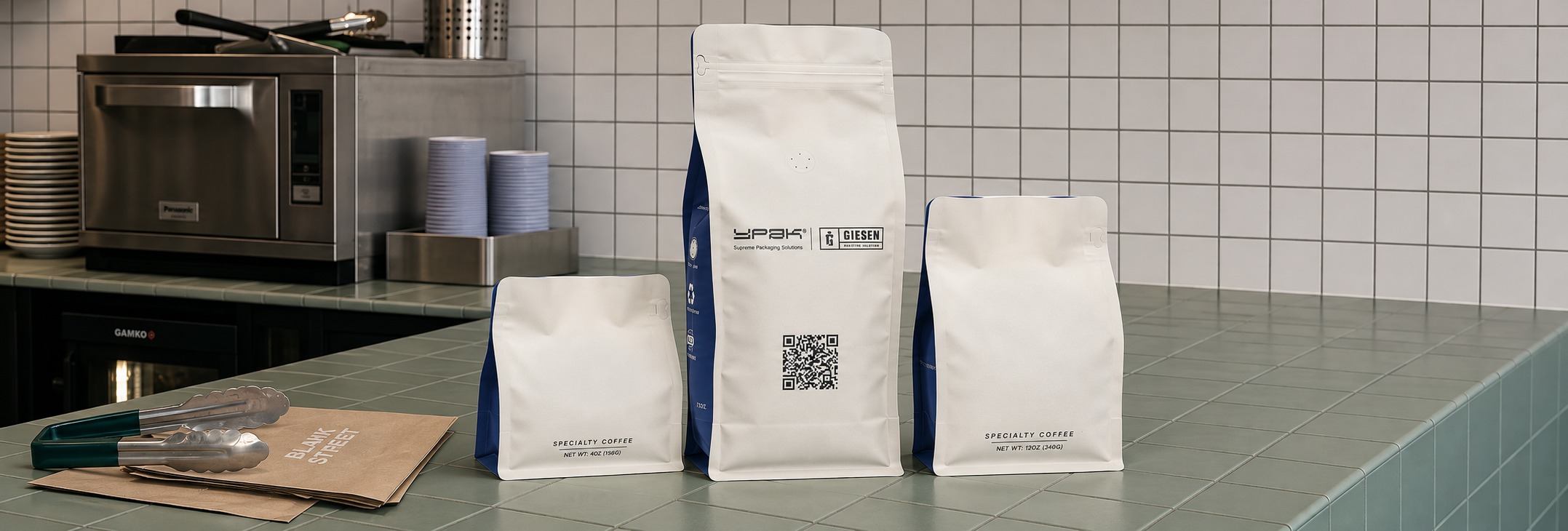
Material specifications help reduce the selection, but they do not replicate all the interactions between the coffee, valve, seals and storage conditions. Fill production-intent bags, note the roast and fill dates, and store the bags under conditions representative of the sales route. Measure swelling, leakage, seal condition, aroma and the customer-opening experience at scheduled intervals.
Store the result with the bag revision, valve, sealing settings and storage notes. When one of those variables is different, determine whether the previous conclusion still applies. This is more plausible than assuring how many months the bag will keep coffee fresh simply by looking at its appearance.
Coffee Bean Bag Freshness Questions.
Are kraft coffee bean bags automatically high barrier?
No. Kraft describes the look, paper appearance or an outer layer. Oxygen, moisture and seal performance depend on the entire construction.
Should each bag of roasted beans have a valve?
The requirement is based on packing time, degassing behavior, headspace and distribution. Beans packed shortly after roasting usually require a controlled method of releasing gas, and the decision should follow the actual process.
Is the zipper a substitute for the factory heat seal?
No. The top seal is permanent and protects the unopened package. The zipper allows repeated closure after that seal has been removed.
What should be inspected on a completed bag?
Check the material structure, valve attachment, clean top seal, leakage, filled shape and repeated zipper use with the intended coffee and storage environment.
Ask YPAK to Review Your Freshness Requirements
Related reading: learn about YPAK manufacturing and food-safety systems · contact the YPAK team
Post time: Nov-16-2026


