


What Is a Recyclable Flat Bottom Coffee Bag?A Complete Guide to Recyclable Coffee Packaging Materials and Structures
Introduction: Why Are More Coffee Brands Switching to Recyclable Packaging?
In recent years, sustainability has become one of the most discussed topics in the global coffee industry.
From specialty coffee roasters in Europe to large-scale coffee brands in North America, more companies are re-evaluating their packaging strategies. Their goal is not only to preserve coffee freshness but also to reduce the environmental impact of packaging.
At the same time, consumer awareness of environmentally responsible packaging continues to grow.
According to various international market studies, an increasing number of consumers pay attention to whether packaging is recyclable, environmentally friendly, and aligned with a brand’s sustainability values when purchasing coffee products.
Against this backdrop, recyclable flat bottom coffee bags have become an important direction in the development of coffee packaging.
However, many brands still ask the same question:
What materials are used in a recyclable flat bottom coffee bag? Can it still effectively protect coffee freshness?
In this guide, we will explore recyclable coffee packaging from multiple perspectives, including material structures, barrier properties, market trends, and the value it brings to coffee brands.
What Is Recyclable Coffee Packaging?

Recyclable coffee packaging refers to packaging solutions that protect coffee during storage, transportation, and retail display while allowing the materials to enter existing recycling systems after use.
Traditional coffee packaging has long relied on multi-layer laminated structures such as:
- · PET (Polyethylene Terephthalate)
- · MOPP (Matte Oriented Polypropylene)
- · VMPET (Vacuum Metallized PET)
- · AL (Aluminum Foil)
These structures provide excellent oxygen and moisture barrier performance. However, because they consist of multiple materials bonded together, they are often difficult to recycle.
To improve recyclability, the packaging industry has developed mono-material packaging structures.
One of the most widely used recyclable coffee packaging structures today is:
PE / EVOH
This structure helps maintain coffee freshness while increasing the package's ability to enter existing recycling streams.
Understanding PE and EVOH Structures
To understand how recyclable flat bottom coffee bags can balance sustainability and freshness protection, it is important to understand their core material structure.
What Is the PE Layer?
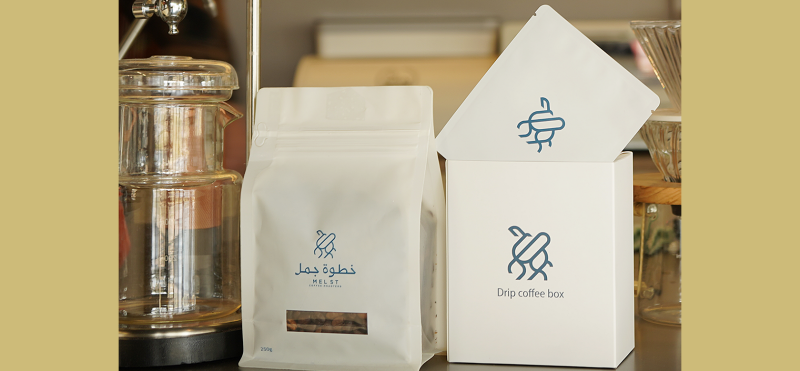
PE (Polyethylene) is a thermoplastic material widely used in food packaging and is one of the most common materials found in recyclable packaging systems.
In recyclable coffee packaging, PE serves as the primary material and forms the majority of the package structure.
PE is widely used in food packaging because it offers:
- · Reliable processing performance
- · Food-contact safety
- · Stable physical properties
Today, PE can be found in many types of food, beverage, and consumer product packaging.
For recyclable coffee packaging, PE is not only the foundation of the package structure but also a key component in creating a mono-material recycling system.
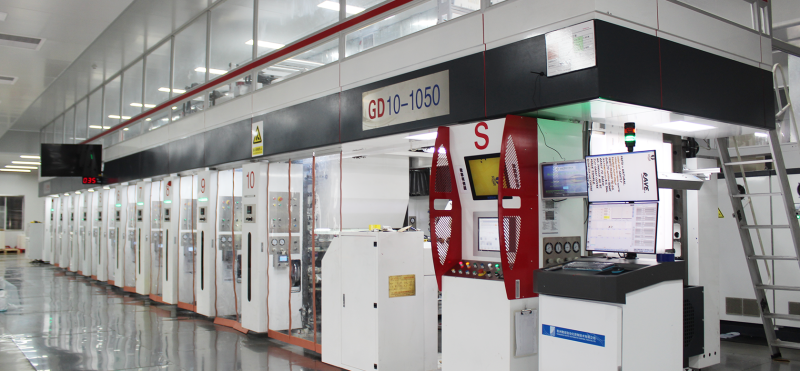
Why Is PE Used in Recyclable Coffee Packaging?
Traditional coffee packaging often combines PET, VMPET, aluminum foil, and other materials.
Although these structures provide strong product protection, their complex composition makes recycling more challenging.
PE, on the other hand, is one of the most widely recycled materials globally.
As a result, more packaging manufacturers are using PE as the primary material and combining it with functional materials such as EVOH to achieve a balance between freshness protection and recyclability.
This is one of the main reasons why PE has become a core material in modern recyclable coffee packaging.
The Role of PE in Packaging Structures

In recyclable flat bottom coffee bags, PE performs several important functions.
Providing Structural Support
PE forms the majority of the packaging structure and provides the basic mechanical strength required for the bag.
Creating the Heat-Seal Layer
Package seals are typically created through the heat-sealing properties of PE, helping maintain a stable and secure packaging environment.
Providing Moisture Barrier Protection
PE helps reduce the rate at which moisture enters the package, supporting a more stable storage environment for coffee.
Supporting Packaging Production and Daily Use
PE offers flexibility and good processing performance, making it suitable for printing, bag making, transportation, and everyday consumer use.
Why Is PE Important for Recyclable Packaging?
For modern recyclable coffee packaging, PE is more than just a packaging material.
More importantly, it provides the foundation that allows packaging to enter established recycling systems.
By using PE as the primary material and combining it with functional layers such as EVOH, packaging manufacturers can improve recyclability while maintaining the protective performance required for coffee products.
As a result, PE has become one of the most important materials in recyclable coffee packaging structures today.
What Is the EVOH Layer?
EVOH (Ethylene Vinyl Alcohol Copolymer) is a functional barrier material widely used in food packaging applications.
In recyclable coffee packaging structures, EVOH is typically positioned between PE layers. Its primary function is to reduce the rate at which oxygen enters the package, helping create a more stable environment inside the bag.
Although EVOH represents only a small portion of the overall package structure, it plays a critical role in preserving coffee freshness.
After roasting, coffee continuously interacts with oxygen in the surrounding environment.
When oxygen enters the package, aromatic compounds gradually oxidize, which can affect aroma, flavor, and overall product quality.
For this reason, controlling the rate at which oxygen enters the package is an important consideration in coffee packaging design.
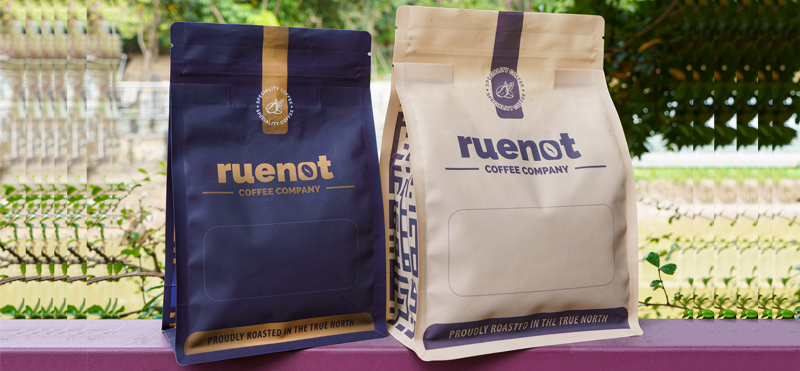
The Role of EVOH in Packaging
The primary function of EVOH is to provide oxygen barrier performance.
In the packaging industry, oxygen barrier performance is commonly measured using a metric called:


OTR (Oxygen Transmission Rate)
OTR measures how quickly oxygen can pass through a packaging material.
Generally speaking:
- · The higher the OTR value, the easier oxygen can enter the package.
- · The lower the OTR value, the slower oxygen passes through the material.
Compared with many common plastic materials, EVOH has a relatively low oxygen transmission rate, helping reduce the amount of oxygen that enters the package.
For coffee packaging, this can help:
- · Slow down oxidation
- · Preserve more aromatic compounds
- · Maintain flavor stability
- · Extend shelf life
Why Is EVOH Used in Recyclable Coffee Packaging?
Traditional coffee packaging often relies on aluminum foil (AL) or metallized films (VMPET) to achieve barrier performance.
While these materials offer effective protection, their complex structures can make recycling more difficult.
EVOH, however, can provide oxygen barrier functionality within a PE-based recyclable structure.
This design allows packaging to maintain freshness protection while better aligning with the growing demand for recyclable packaging solutions.
Simply put, EVOH helps reduce the amount of oxygen entering the package, thereby slowing oxidation and improving overall freshness preservation.
How Does EVOH Help Protect Coffee Freshness?
To understand the importance of EVOH, we first need to understand why coffee loses its freshness over time.
Many people assume that coffee simply becomes stale because it has been stored for too long. In reality, one of the most significant factors affecting coffee quality is oxygen.
After coffee beans are roasted, hundreds of aromatic compounds are formed inside the beans. These compounds are responsible for the floral, fruity, nutty, chocolate-like, and other complex flavor characteristics found in specialty coffee.
However, these aromatic compounds are highly sensitive.
Once oxygen enters the package and comes into contact with the coffee, oxidation begins.
Oxidation can lead to:
- · Gradual loss of aroma
- · Reduced flavor complexity
- · Oxidation of coffee oils
- · A flatter taste profile
- · Shorter shelf life
A simple example is a sliced apple turning brown after being exposed to air. This is a visible form of oxidation.
Although coffee does not change color as obviously as an apple, many of its flavor compounds gradually degrade through the same process.
This is why freshly roasted coffee often tastes noticeably different from coffee that has been stored for several months.
Why Can EVOH Reduce Oxygen Transmission?
EVOH (Ethylene Vinyl Alcohol Copolymer) is widely used in food packaging because of its oxygen barrier properties.
For coffee packaging, controlling the rate at which oxygen enters the package is essential for maintaining flavor stability.
As coffee continues to interact with oxygen after roasting, reducing oxygen exposure helps preserve aroma and overall quality.

What Is Oxygen Transmission Rate (OTR)?
In the packaging industry, oxygen barrier performance is measured using a metric called:
OTR (Oxygen Transmission Rate)
OTR measures how quickly oxygen passes through a packaging material under specific conditions.
Generally:
- · Higher OTR = oxygen enters more easily
- · Lower OTR = oxygen enters more slowly
For coffee packaging, a lower oxygen transmission rate helps slow oxidation and preserve flavor for a longer period.

How Does EVOH Provide Oxygen Barrier Performance?
From a material science perspective, EVOH has a dense molecular structure.
This structure slows the movement of oxygen molecules through the material, making it more difficult for oxygen to penetrate the package.
As a result, EVOH can provide better oxygen barrier performance than many commonly used plastic materials of similar thickness.
For this reason, EVOH is widely used in:
- · Coffee packaging
- · Snack food packaging
- · Dairy packaging
- · Medical packaging
- · Pharmaceutical packaging
and other applications where oxygen control is important.
What Does This Mean for Coffee Packaging?
When oxygen levels inside a package are better controlled, coffee's aromatic compounds can remain stable for a longer period.
This helps:
- · Slow flavor degradation
- · Reduce oxidation of coffee oils
- · Preserve aroma
- · Improve product stability during storage
The primary role of EVOH is not to improve coffee quality directly, but to create a more stable storage environment by slowing the rate at which oxygen enters the package.
This is one of the main reasons why EVOH is widely used in PE/EVOH recyclable coffee packaging structures.
How Does EVOH Help Extend Coffee Shelf Life?
Several factors influence coffee freshness:
1. Oxygen
Oxygen accelerates oxidation and is one of the main causes of flavor deterioration.
2. Moisture
Excess moisture can affect bean structure, extraction performance, and flavor stability.
3. Light
UV exposure may contribute to the degradation of certain flavor compounds.
4. Temperature Changes
High temperatures can accelerate coffee aging.
Among these factors, oxygen is often the most critical variable to control.
By incorporating an EVOH barrier layer, packaging can significantly reduce oxygen transmission, helping to:
- · Preserve aromatic compounds
- · Slow flavor deterioration
- · Reduce oil oxidation
- · Extend shelf life
- · Improve product consistency
For specialty coffee brands, this means consumers may enjoy a flavor experience that remains closer to the original roasted profile even weeks or months after purchase.
Why Does EVOH Need to Work with a Degassing Valve?
Many coffee brands ask:
If EVOH can block oxygen, why does coffee packaging still need a one-way degassing valve?
The answer lies in the nature of freshly roasted coffee.
After roasting, coffee beans continuously release carbon dioxide (CO₂).
This process is known as:Degassing
During the first few days after roasting, carbon dioxide is released at a relatively high rate.
If a coffee package were completely sealed:
- · The bag could expand excessively
- · Transportation and shelf display could be affected
- · In extreme cases, package deformation could occur
- For this reason, modern coffee packaging often combines:
EVOH Barrier Layer + One-Way Degassing Valve
This combination allows:
- · Carbon dioxide to escape from inside the package
- · Oxygen to remain outside the package
As a result, coffee can degas naturally while maintaining freshness protection.
What Advantages Does EVOH Offer Compared with Traditional Barrier Structures?
Traditional coffee packaging often relies on:
- · Aluminum foil (AL)
- · Metallized films (VMPET)
to achieve barrier performance.
While these materials provide excellent protection, they typically require multi-material laminate structures that are difficult to recycle.
EVOH offers several advantages:
- · Effective oxygen barrier performance
- · Requires only a small amount within the structure
- · Compatible with recyclable mono-material designs
- · Better aligned with future sustainability goals
As a result, more coffee brands are adopting PE/EVOH structures as an alternative to traditional multi-layer laminates.

The Role of EVOH in Coffee Packaging: A Summary
For coffee packaging, EVOH is far more than just another layer within the structure.
Its primary role is to create an oxygen barrier that helps preserve coffee quality.
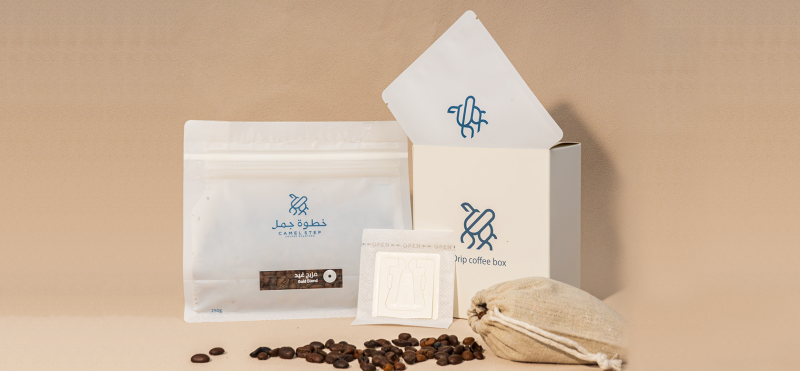
By reducing oxygen exposure, EVOH helps coffee brands:
- · Minimize oxygen ingress
- · Preserve aroma and flavor
- · Slow oxidation
- · Extend shelf life
- · Improve the consumer experience
When combined with:
- · One-way degassing valves
- · High-quality heat sealing
- · Flat bottom bag structures

it becomes part of a complete freshness protection system that:
- · Releases carbon dioxide generated after roasting
- · Limits oxygen exposure
- · Supports longer shelf life
- · Helps maintain optimal coffee flavor
This is why EVOH has become one of the most important barrier materials used in modern recyclable coffee packaging.
How Does PE Help Protect Coffee?
When discussing recyclable coffee packaging, much of the attention is often focused on EVOH and its oxygen barrier properties.
However, PE (Polyethylene) also plays a critical role in the overall packaging structure.
If EVOH is responsible for controlling oxygen, PE provides the foundation that allows the entire packaging system to function effectively.
Without PE, it would be difficult for packaging to maintain its protective performance throughout transportation, storage, and retail distribution.
The role of PE in recyclable coffee packaging can be divided into four key areas:
- · Moisture protection
- · Sealing performance
- · Mechanical protection
- · Structural stability
Moisture Protection: Reducing the Impact of Humidity on Coffee Quality
In addition to oxygen, moisture is another important factor that affects coffee quality.
Both whole bean coffee and ground coffee are hygroscopic, meaning they naturally absorb moisture from the surrounding environment. Changes in humidity can influence aromatic compounds, flavor stability, and extraction performance.
When excessive moisture enters a coffee package, it may result in:
- · Reduced aroma intensity
- · Loss of flavor complexity
- · Clumping of ground coffee
- · Changes to the surface condition of roasted beans
- · Less consistent brewing performance
This is especially important for coffee products that are shipped internationally or sold in regions with high humidity levels.
PE provides moisture barrier properties that help reduce the amount of water vapor entering the package, creating a more stable storage environment for coffee.
For retail coffee products with extended shelf lives, moisture protection is particularly important.
Sealing Protection: Creating a Stable Environment for Freshness

Effective coffee packaging requires more than high-quality materials—it also depends on reliable sealing performance.
One of the key advantages of PE is its heat-sealing capability.
During the packaging process, PE forms strong and stable seals that help create a controlled internal environment.
Effective heat sealing helps:
- · Reduce air leakage
- · Limit moisture ingress
- · Preserve aroma
- · Maintain package integrity
- · Extend shelf life
For coffee bags equipped with one-way degassing valves, seal quality becomes even more critical.
Freshly roasted coffee continuously releases carbon dioxide. If seals are compromised, oxygen may enter the package through the seal area, reducing the effectiveness of the overall freshness protection system.
For this reason, the PE heat-seal layer is an essential component of modern coffee packaging.

Transportation Protection: Supporting Coffee Through Complex Logistics

Coffee products often travel long distances before reaching consumers.
Especially in international trade, packaging may experience:
- · Ocean freight transportation
- · Long-distance trucking
- · Warehouse storage
- · Retail distribution
- · E-commerce shipping
Throughout this journey, packages may be exposed to:
- · High temperatures
- · Low temperatures
- · Temperature fluctuations
- · Compression
- · Friction
- · Impact from drops or handling
PE offers flexibility and impact resistance, helping absorb external forces and reducing the risk of package failure.
For flat bottom coffee bags, PE also helps maintain structural stability, allowing the package to stand upright and present well on retail shelves.

Improving Package Strength and Durability
Beyond moisture protection and sealing performance, PE serves as one of the main structural support layers within recyclable coffee packaging.
In recyclable flat bottom coffee bags, PE contributes:
- · Puncture resistance
- · Tear resistance
- · Flexibility
- · Fold resistance
- · Structural support
These properties help maintain package integrity during transportation, handling, storage, and everyday consumer use.
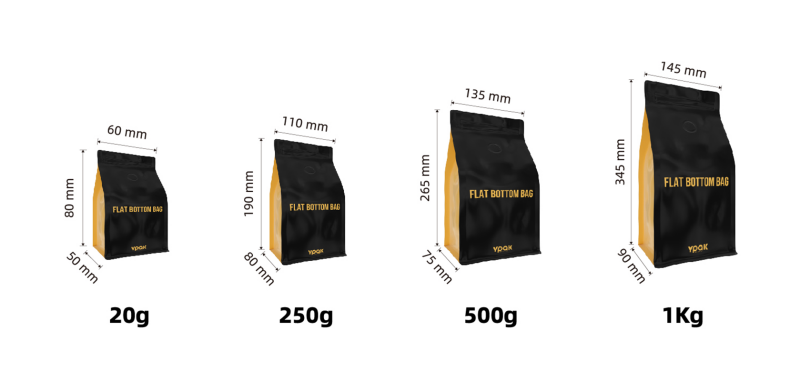
For larger coffee packages such as 500g and 1kg formats, this mechanical strength becomes especially important.
How Do PE and EVOH Work Together to Protect Coffee?

PE and EVOH do not function independently.
Instead, they work together to create a complete freshness protection system.
In simple terms:
- · EVOH helps reduce oxygen ingress.
- · PE helps reduce moisture ingress.
- · EVOH helps protect coffee flavor from oxidation.
- · PE helps maintain package integrity and sealing performance.
Together, these materials address two of the most important challenges in coffee storage:
Oxygen Control
Reducing oxidation helps preserve aroma and flavor.
Moisture Control
Maintaining a stable humidity environment helps preserve product quality.
When combined with one-way degassing valve technology, the package can:
- · Release carbon dioxide generated after roasting
- · Limit oxygen ingress
- · Reduce the effects of moisture
- · Extend shelf life
- · Help maintain optimal coffee flavor

As a result, PE and EVOH work together to create a comprehensive coffee freshness protection system.
For modern recyclable coffee packaging, both materials play essential roles.
Recyclable Packaging vs. Traditional Coffee Packaging
Traditional Packaging Structures
Common structures include:
- · PET / VMPET / LLDPE
- · MOPP / VMPET / LLDPE
- · PET / AL / LLDPE
Advantages
- · Excellent barrier performance
- · Proven and widely used technology
- · Stable packaging performance
- · Complex material combinations
- · Difficult to recycle
- · Limited compatibility with circular economy goals
Challenges
- · Complex material combinations
- · Difficult to recycle
- · Limited compatibility with circular economy goals
Recyclable Packaging Structures
Common structures include:
- · PE / EVOH
- · MDO-PE / EVOH
- · Improved recyclability
- · Better alignment with sustainability goals
- · Effective freshness protection
- · Greater compatibility with future packaging regulations
Advantages
- · Improved recyclability
- · Better alignment with sustainability goals
- · Effective freshness protection
- · Greater compatibility with future packaging regulations
Why Are More European Coffee Brands Switching to Recyclable Packaging?
Europe has become one of the leading markets driving sustainable packaging innovation.
Several factors are contributing to this transition.

1. Regulatory Changes
The European Union's Packaging and Packaging Waste Regulation (PPWR) is encouraging the packaging industry to move toward a circular economy model.
Future packaging design is expected to place greater emphasis on:
- · Recyclability
- · Waste reduction
- · Improved recycling rates
As regulations continue to evolve, many coffee brands are proactively upgrading their packaging strategies.
2. Changing Consumer Expectations
Today's consumers increasingly care about:
- · Environmental responsibility
- · Sustainability
- · Brand values
For many younger consumers, packaging itself has become part of the purchasing decision.
Brands that invest in sustainable packaging are often viewed more positively by environmentally conscious customers.

As a result, PE and EVOH work together to create a comprehensive coffee freshness protection system.
For modern recyclable coffee packaging, both materials play essential roles.
3. Retail Channel Requirements
Many specialty retailers, premium supermarkets, and coffee chains are prioritizing products packaged in more sustainable materials.
As a result, recyclable packaging is increasingly becoming an important requirement for brands seeking access to premium retail channels.
What Value Does Recyclable Packaging Bring to Coffee Brands?
Strengthening Sustainable Brand Image
Environmentally responsible packaging helps create a positive perception of a brand.
It demonstrates a commitment to sustainability and can strengthen customer trust.
Enhancing Market Competitiveness
When product quality is similar, packaging often becomes an important differentiator.
Recyclable packaging can help brands stand out in a competitive marketplace.
Preparing for Future Regulations
Adopting recyclable packaging today can help brands reduce future compliance risks as environmental regulations continue to evolve.
Supporting Premium Brand Positioning
An increasing number of consumers are willing to pay more for products that align with their environmental values.
For many coffee brands, sustainable packaging has become part of a long-term premium brand strategy.
Conclusion
Recyclable flat bottom coffee bags are not simply the result of a sustainability trend.
They represent the evolution of packaging technology.
By combining PE and EVOH structures, coffee brands can maintain effective freshness protection while improving recyclability.
As regulations, consumer expectations, and market requirements continue to evolve, recyclable coffee packaging is gradually moving from a future trend to an industry standard.
For coffee brands seeking to build long-term value, investing in recyclable packaging today can be an important strategic decision.
Ready to Upgrade Your Coffee Packaging?
YPAK provides coffee brands with:
- · Custom recyclable flat bottom coffee bags
- · PE/EVOH structure recommendations
- · One-way degassing valve solutions
- · Digital printing and gravure printing support
- · Custom sizes from 100g to 1kg
- · Free packaging structure consultation
Our team is ready to help you find the right recyclable coffee packaging solution for your brand.

Frequently Asked Questions
Compared with traditional multi-material structures, PE/EVOH packaging structures are generally easier to process within existing recycling systems.
Yes. EVOH is widely used in food packaging applications and complies with food-contact safety standards.
No. EVOH provides effective oxygen barrier performance and helps maintain coffee freshness.
Absolutely. More specialty coffee roasters are adopting recyclable flat bottom coffee bags as part of their sustainability initiatives and packaging strategies.
Post time: Jun-05-2026


