


Products


Recyclable Flat Bottom Coffee Bag with Degassing Valve & Side Zipper
Product Introduction
This recyclable flat-bottom coffee bag is designed for specialty coffee roasters and brands seeking packaging that offers more than just visual appeal.
Its eight-side-seal, flat-bottom structure ensures exceptional shelf stability and a clean front-facing display, allowing the package to maintain a neat, uniform shape on retail shelves. An integrated one-way degassing valve allows gases to escape—accommodating the characteristics of freshly roasted coffee—while minimizing unnecessary exposure to outside air.
The side-seal zipper design shifts the opening mechanism away from the primary front display area, creating a cleaner visual layout for the brand while enhancing the user experience during repeated opening and closing.
The packaging material exhibits a subtle, semi-translucent quality in natural light, creating rich visual depth without the need for elaborate ornamentation. For brands aiming to establish a premium coffee line, this design balances an understated, modern aesthetic with a distinctive shelf presence.

Key Features
1. Stable Flat Bottom Structure for Better Retail Presentation
The eight-side-seal construction gives the pouch a wider and more stable base, helping it stand more consistently on shelves. This is especially useful for coffee brands that need a stronger front-facing display and more reliable visual consistency across multiple SKUs.
2. One-Way Degassing Valve for Freshly Roasted Coffee
The integrated degassing valve allows gases released after roasting to escape while helping limit outside air from entering the pouch. This supports coffee freshness management during storage and distribution.
3. Heat-Sealed Side Zipper Keeps the Front Panel Cleaner
Unlike a conventional top zipper, the side zipper keeps the main branding area visually uninterrupted. It also creates a differentiated opening experience while supporting repeated use after the bag is opened.
4. Recyclable Packaging Option for Sustainability-Focused Projects
The pouch can be developed with recyclable material structures for brands reviewing their packaging portfolio and sustainability strategy. Material selection can be matched to barrier, sealing, printing and market requirements rather than treated as a purely visual change.
5. Premium Translucent Effect Under Natural Light
The material has a controlled semi-translucent appearance that becomes more noticeable under sunlight. This creates depth and a soft diffused visual effect, helping the package look more refined without relying on excessive surface decoration.
6. Large Branding Area for Premium Coffee Positioning
The flat front and side panels provide more usable surface area for typography, color systems, product information and visual hierarchy. This makes the structure suitable for premium specialty coffee, seasonal editions and multi-origin product lines.
7. Suitable for Multi-SKU and Custom Coffee Packaging Programs
The format can be customized in different sizes, print designs, valve configurations and finishing options, making it suitable for roasters managing multiple origins, roast profiles or market versions.


Frequently Asked Questions (FAQ)
Yes. The pouch can be equipped with a one-way degassing valve to release carbon dioxide generated after roasting while helping reduce outside air entering the package. For freshly roasted coffee, valve performance should be evaluated together with barrier performance and seal integrity rather than treated as a standalone feature.
Brands should evaluate at least four areas: oxygen barrier, moisture barrier, sealing stability, and production consistency. A recyclable structure should not be selected only because of its sustainability claim. It also needs to perform reliably during filling, sealing, storage, transportation, and daily consumer use.
A heat-sealed side zipper keeps the main front panel visually cleaner and creates a more distinctive opening experience. For premium coffee packaging, it can also give designers more freedom around the top area of the pouch. The zipper position, sealing strength, opening force, and repeated reclosure performance should all be validated before mass production.
Yes. The pouch can be customized in different sizes, print designs, finishes, valve options, and material structures. For brands managing multiple origins, roast profiles, or seasonal products, digital printing can also support shorter runs and multiple designs with lower setup requirements than conventional plate-based printing.
For B2B buyers, sample approval should cover more than appearance. Key checkpoints should include color consistency, print registration, zipper position, valve placement, sealing performance, pouch dimensions, and material structure. Bulk production should then be monitored against the approved sample and technical specification to reduce variation across production batches.
-
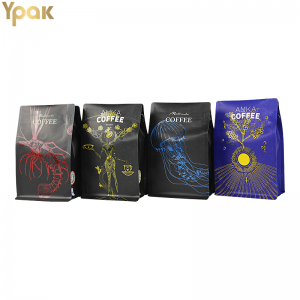
Custom Design Digital Printing Matte 250G Kraft...
-

New Design Printed Plastic Rough Matte Finished...
-
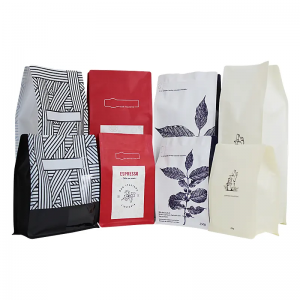
Kraft Paper Compostable Packaging Flat Bottom C...
-
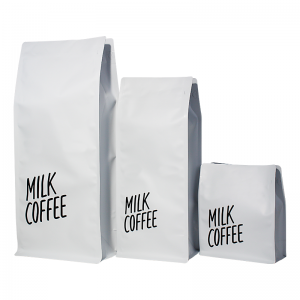
Custom Printing 250g 1kg Compostable Plastic My...
-

Stock 20g Plastic Trial Pack Bags Flat Bottom F...
-
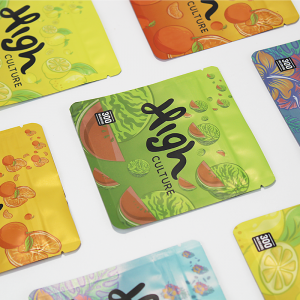
CBD Mylar Plastic Child-Resistant Zipper Flat P...


QUICK LINKS
NEWSLETTER

Custom Printed Coffee Bags, custom sticker sheets, sticker packs, sticker, sticker printing, custom sticker,