


Weed Mylar bags are commonly sold like “Mylar” was an overall packaging specification. It is not. Very little information about the entire laminate, sealant, closure, pouch geometry or performance post-conversion is conveyed in the commercial name to a buyer. A bag that is effective with a dry edible might not achieve the same with aromatic flower, one that is pre rolled in multipack or a product containing surface oil.
The packed product and their route to market start a reliable sourcing decision. The buyer will then impact such conditions in barrier, seal, size, access and printing requirements. This will simplify the comparison of the samples and keep a visually appealing pouch at the production stage without its practical information being approved.
Determine What Should Be in the Weed Mylar Bag.
The term weed may denote a variety of products that have varied physical behaviour. Flower may lose smell or be compressed. Pre-rolls pose puncture/crush hazards. Gummies and coated edibles can result in sugar or oil being next to the seal. Prior to speaking of material write the number of actual product in the pouch.
Develop Product Profile.
● Form of product, volume of pieces or net weight and anticipated volume filled.
● Smell, wetness, oiliness, sharpness and sensitivity to light.
● Stuffing, sealing temperature and contamination of the seal area.
● Shelf life required, climate and distribution route of storage.
● Whether the consumer opens the pouch once or repeatedly.
These facts permit the supplier to consider an entire construction, rather than to suggest one type of bag to all SKUs.
Mylar is More Than a Material.
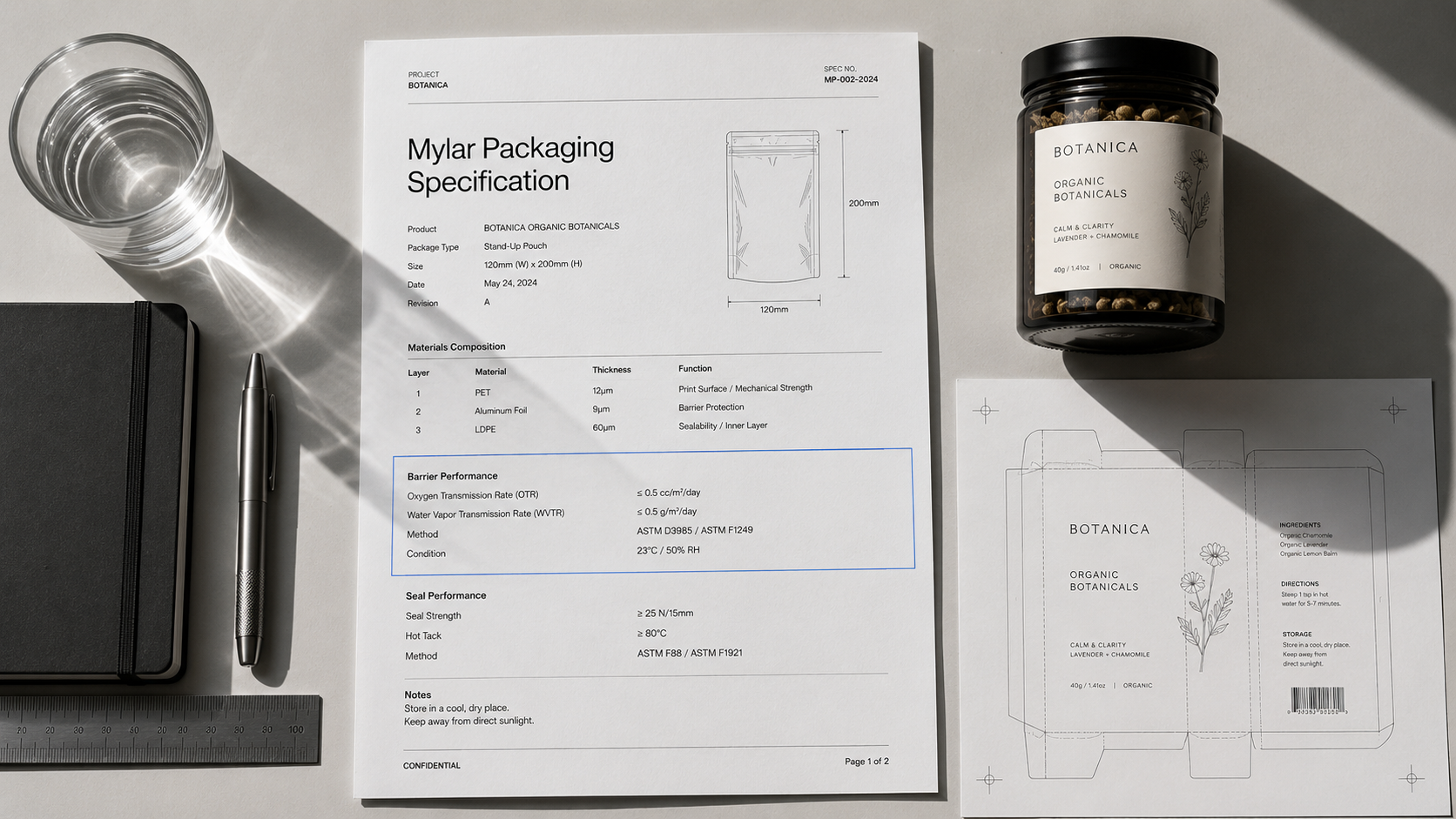
In flexible packaging, the final pouch is often made with layers that perform different jobs. Printing and handling are supported by an outer layer. Oxygen, moisture, light or odor transmission is controlled by a barrier layer. The heat seal uses an inner sealant layer that comes in contact with the product. Adhesives, inks and the zipper are also part of the finished structure.
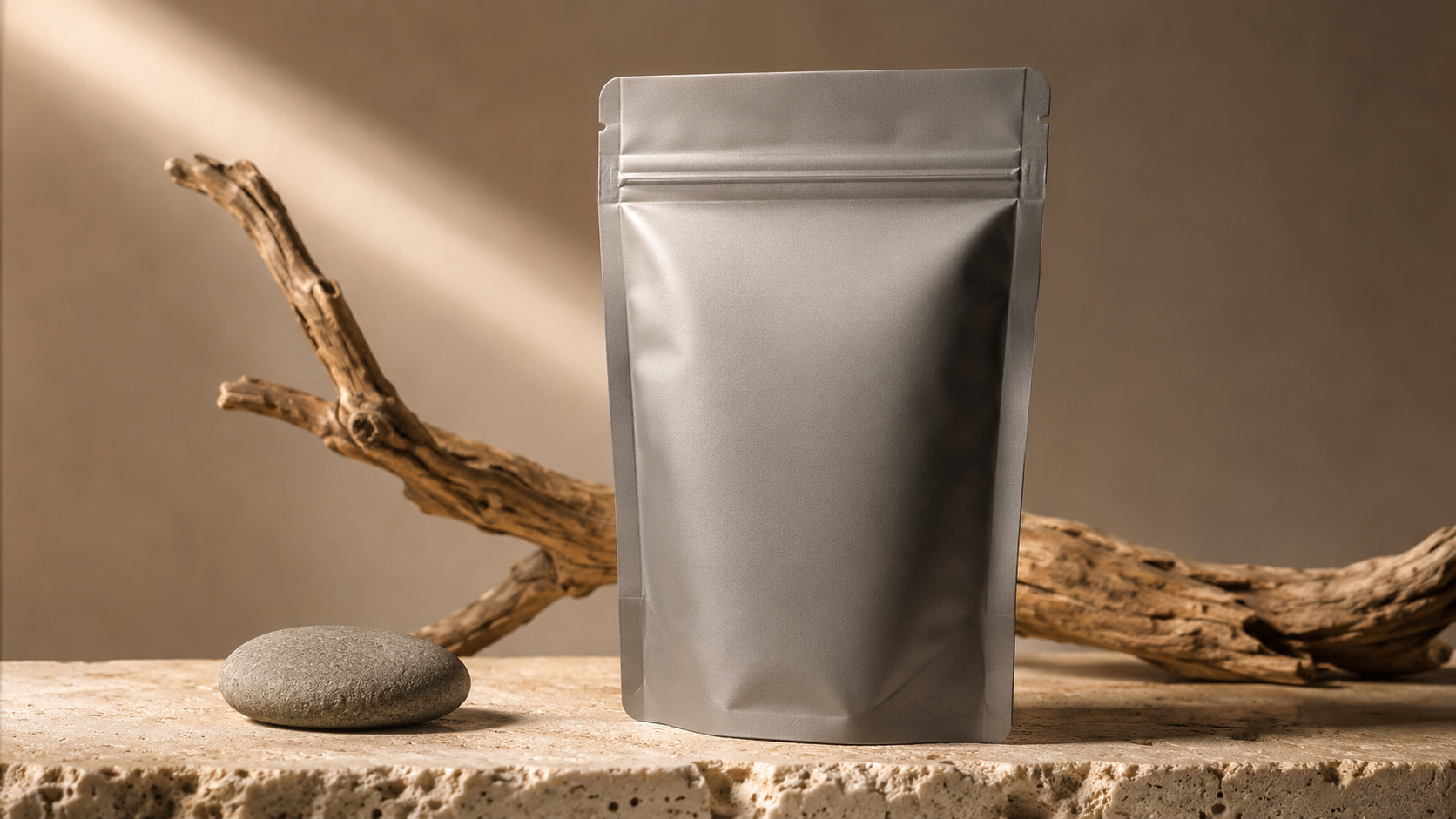
YPAK mentions MOPP/VMPET/PE in relation to a single product of cannabis Mylar bags and offers additional options of foil added and non-foil. They (Buyers) must continue to demand the specific proposed construction of their order since performance is determined by the entire laminate, thickness, conversion and seal as opposed to the name of the material of which they are composed.
Compare Foil against Metallized, by Function.
A foil-containing structure may be considered when strong opacity and barrier performance are key attributes. A metallized design may provide a different balance of appearance, cost and flexibility. Neither should be approved by appearance alone. Request pertinent barrier data, and compare the converted pouch with the product.
Optimal Pouch / Fill Relationship.
The most appropriate format is that which is based on volume, retailing and accessibility. YPAK is capable of providing customized types of bags as opposed to one universal geometry. Measures in terms of filled samples should be therefore considered rather than based on the weight of nominal products.
| Format | Useful starting point | Key approval issue |
| Flat pouch | Samples, single units and compact fills | Clearance and seal area. |
| Stand-up pouch | Retail packs that need to be displayed and repeatedly accessed. | Gusset expansion and stability. |
| Side-gusseted pouch | Larger volume/bulky fills. | Side-fold behavior and case fit. |
| Special-shaped pouch | Limited innovations and unique packaging. | Dieline and usable copy area. |
Do NOT Size on Net-Weight Only.
Two products can have varying volumes but be of the same weight. We can gain usable capacity due to bulk density, compression limits, and particle geometry, headspace, position of zipper. The filled-pouch sample must be turned in such a way that it is clear that the gusset is not damaged and that there is enough space to heat-seal it.
Specify around Exposure Barrier Performance.
The route of exposure that is under control should be referred to as the barrier selection. It won't be immune to oxygen that influences aroma and quality. Drying of a product by moisture exchange or encouraging unwanted textural changes. Light can potentially interfere with delicate contents and transfer of odor can pose issues in terms of storage and retailing. The balance necessary will depend on the product and desired shelf life.
Assess the Completed Package.
Flat-film information is helpful, however, the finalized weed Mylar bag also incorporates perimeter seals, folds, zipper incorporations and headspace. The problems cannot be solved by having a high barrier film in case of a contaminated seal or a distorted-during-filling closure. Sample filled in the store in representative conditions and examine odor retention, seal integrity, appearance and product condition.
Separate Heat Sealing from Reclosure.
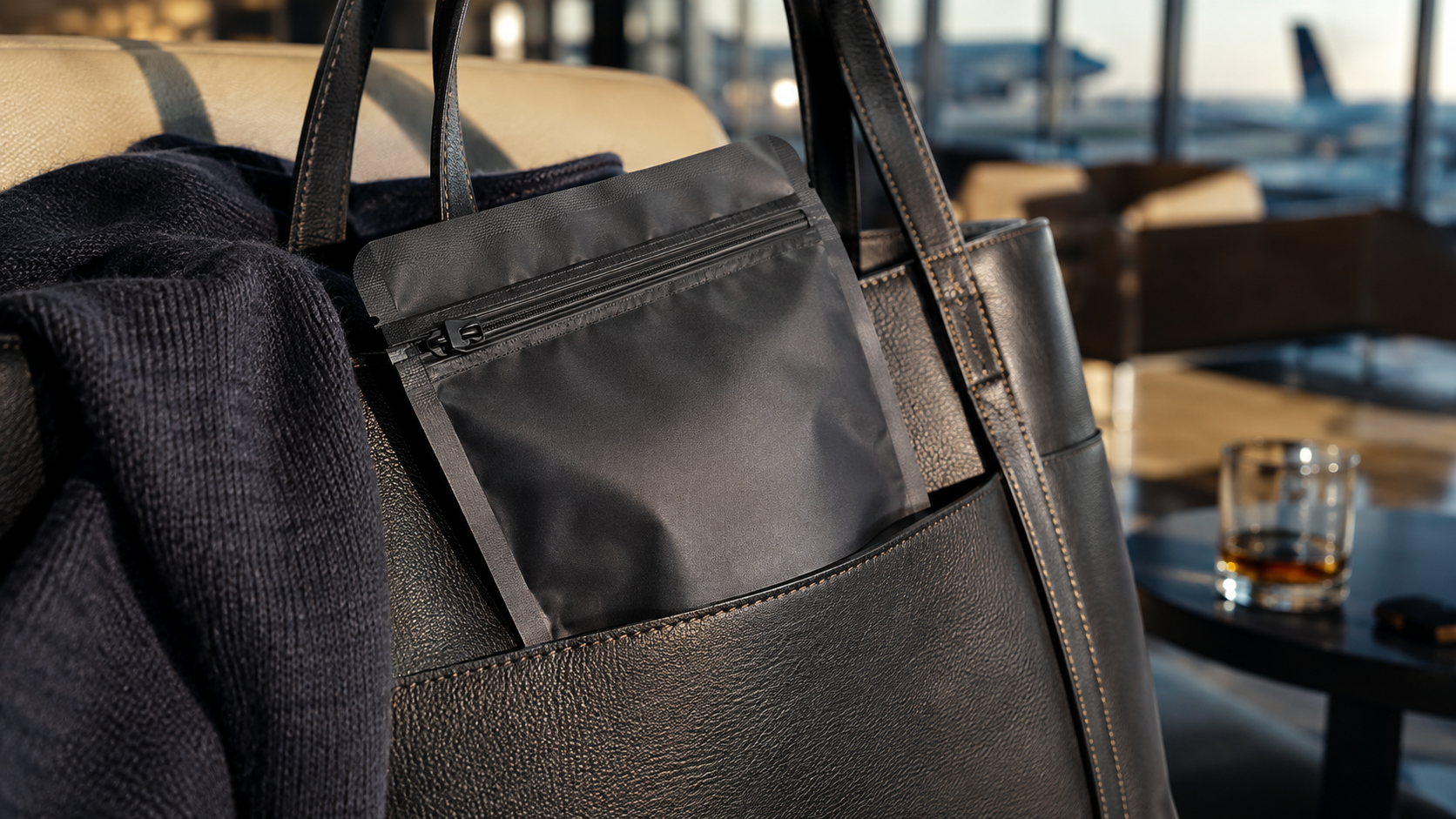
The top heat seal provides the first permanent closure. A zipper enables the consumer to reclose the pouch once opened, but it does not replace the original seal or the laminate barrier. Specify both systems and the amount of clean space that the fill process must leave above the product.
Choose Access Features for the Destination Market.
A conventional press-to-close zipper and a child lock mechanism cannot be interchanged. Needs are product and destination specific. In the case of controlled access, buyers have to make sure that the relevant rules are taken into consideration and ask to document the specific configuration of the closure. Converted, filled samples should also be tested regarding adult usability.
Plan Artwork Around Required Information.
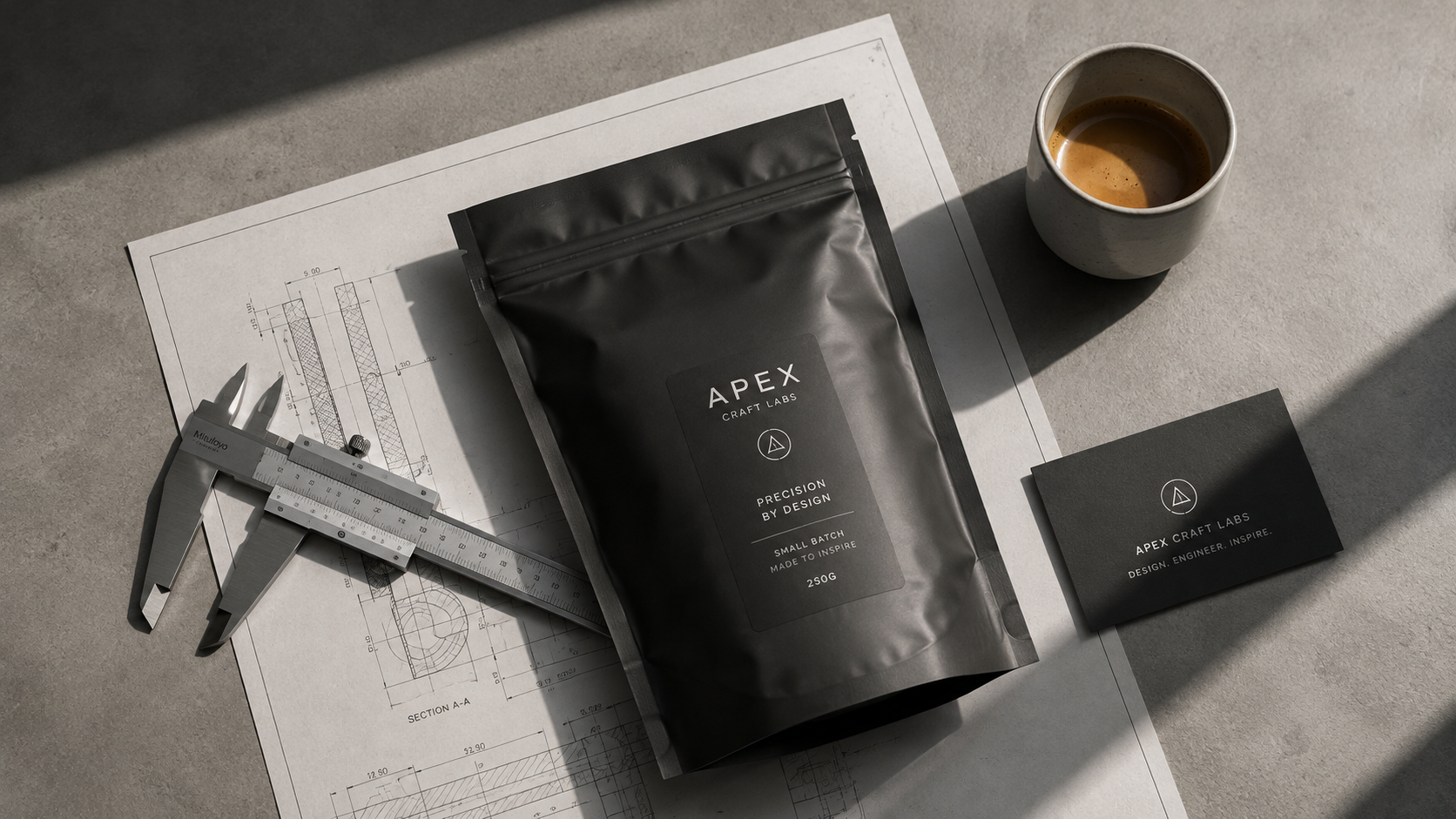
The front needs to accommodate the brand and all the pouch should hold necessary product information to the targeted market. Identity for reserving areas, warning or information about ingredients or serving where necessary, instructions on opening, batch details and date coding prior to artwork being finalized.
Protect Codes and Opening Instructions.
Barcodes and QR codes must not have any folds, gusset corners and high reflective effects. They should be scanned on filled pouches, as opposed to using flat proofs only. Tear notches, the position and heat-seal for zippers should not intercept instructions or minimize the necessary information space.
Choose Printing for the SKU Program.
YPAK lists digital and gravure printing among its customization options. Digital printing may be appropriate to shorter production cycles, multiple designs or programmes that are subject to revision. Gravure can be appropriate to stable artwork and increased repeat quantities. The buying decision ought to take into account the order quantity, SKUs, risk of revision, color expectations and repeat-order plan collectively.
Accept Colour on the Proposed Structure.
Color is replicated differently with white, metallized and kraft-appearances. Contrasting can also be altered with matte, gloss and holographic effects. Accept color and fine print on the recommended laminate, not on some other sheet of paper or a screen representation.
Test Packing-Line Compatibility Before Production.
The pouch should pass through the process of filling, sealing, coding, cartoning and distribution but should not generate waste that is avoidable. Check the clear opening, fill height, seal-jaw clearance, the stiffness and movement of the zipper around the seal. The co-packer should inspect representative samples prior to the freezing of dimensions when there is a co-packer.
Use Converted and Filled Samples.
Curl, stiffness, tear behavior and gusset formation are indicated in converted samples. Filled samples show stability, headspace, contamination, puncture and carton fit. The product and method of packing should preferably be used during approval.
Prepare a Comparable Request for Quotation.
Quotations only have meaning when the same brief is sent to suppliers. Otherwise, a low price could indicate a different structure, closure or approval route as opposed to a genuine saving.
● Product description, net weight or number and representative fill sample.
● Dimensions, required format, barrier targeting and closure system.
● Destination market, information needs: Sales channel.
● SKU quantities, printing process, finishes and artwork condition.
● Packing practices, sample expectations, testing responsibilities and delivery time.
Request the proposed laminate, dimensional tolerances and sampling path in writing. This produces a usable record for approval and repeat orders.
Conclusion
Weed Mylar bags are optimally used as complete packaging systems. Maximizing the barrier and seal requirement is determined by product behavior, filling volume determines format and size, market demands determine access and information space and the production program determines printing and approval. YPAK has flexibility in materials, type of bags, size, zippers, design and printing and even buyers have a one controlled brief, which unites all options and proceeds to mass production.
FAQ
Are All Weed Mylar Bags the Same Material?
No. Mylar is not the name that refers to the entire laminate. Request the layer structure, thickness, sealant, closure and other performance data.
Should Aluminum Foil Be Used in a Weed Mylar Bag?
It depends on the required barrier target, product, shelf life and commercial program. Compare foil and non-foil proposals using data and filled-pouch testing.
Can the Zipper Replace the Top Heat Seal?
No. The initial closure is the heat seal, and the zipper is generally used to open and reclose the pouch.
What Should Be Approved Before Mass Production?
Approve the laminate, size, fill volume, seals, zipper, opening behavior, print, codes, artwork placement, carton fit and packing-line performance.
Post time: Aug-31-2026


