


How to Source Custom Gummy Packaging: MOQ, Printing and Lead Times
Custom gummy packaging requires an inventory decision before designing a print order.A brand has to determine the number of completed packs each flavor can sell, how quickly the artwork can be replaced, how much packaging can be left unused, and when a reorder will be necessary.
The practical sourcing assignment is to relate the gummy program to the use of packaging. The behavior of a recipe still defines how the custom package will divide, be accepted and refilled however, sales velocity define the way the custom package will protect and contain the food. The initial production should generate viable market data without the stocking of packaging that is inflexible.
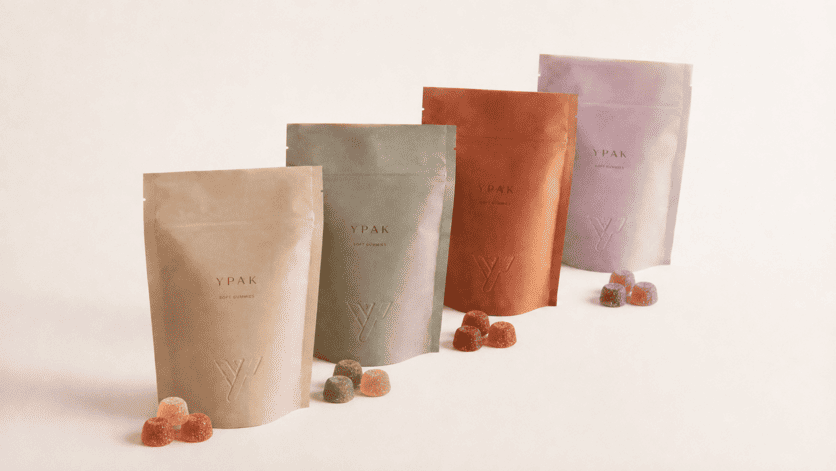
Transform Sales Plan to Packaging demand
Start with units sold, and not kilograms of gummies manufactured. Transform forecast into complete packages by SKU, channel and period. Use samples of retailers, quality retains, damaged and promotional use, as they use up packaging but do not look like typical sales.
Apply three cases of demand
Make a base case, a sluggish case and a fast case. The slow case shows surplus printed stock; the fast case, the date on which the stock can break packing. Such cases are more applicable as compared to a single accurate prediction that is unable to articulate uncertainty.
- Base case: the volume associated with verified listing and repeat sales that are realistic.
- Slow case: delayed distribution, reduced flavor performance or delayed promotion.
- Fast case: quick expansion of retailers, increase in the rate of repeats or channel demand.
- Disruption case: Artwork, claim or market information alters prior to consumption of stock.
Track Packaging Consumption by SKU
One manufacturing batch has the capacity to supply multiple pack sizes or flavors, or use custom pouches that are tied to a precise artwork. Track opening stock, issued pouches, accepted finished packs, waste and closing stock by all SKUs. This will show how the order quantity will represent real usage as opposed to aggregate product projection.
Keep stock of separate structure other than printed structure
The various designs will have the same dimensions and construction but with different graphics. That similarity could be used to plan in order, but printed inventory is SKU‑based. It is not possible to have a popular flavor using the remaining bags of a slow flavor except when the packaging system is programmed to use a common pack with variable labeling controlled.
Pre‑order an Obsolescence Budget
It has some loss inherent in the packaging during the launches but it has to be reflected in the commercial plan. Determine the number of unused units that the brand will accept in case of a change in demand, a claim is updated or a retailer wants other information. Compare this exposure on any saving made on larger run.
Put a dollar price on the addition of a design change
For each of the demand cases, estimate the value of pouches that would be inapplicable. Include expenses on disposal, storage and replacement. Only when it makes higher purchases at the point of sale can a greater order be economical since its savings on buying surpasses the probable expense of dead stock and the delayed education.
Choose What the First Run Has to learn
There should be learning objectives to a first run. The brand might require some evidence regarding the demand in flavor, quantity of packaging, retail pricing or shelf awareness. The quantity to be packaged must permit an answer to those questions up to the next commitment to be printed in an irreversible fashion.
- Knowledge: Knowledge of the number of servings and the product.
- What tastes garner referral purchases instead of a one‑time purchase.
- Whether or not the pack size selected can fit the retailer facings and shipping cases.
- The amount of pouch wasting in packing and changeovers in the stables.
- What art or information modifications can probably occur prior to replenishment?
Leave Recipe Differences on the Plan of Order
Product compatibility cannot be compromised by commercial planning. Hard, sanded gummies and soft oil‑coated pieces can need varied choices of sealant, clearance or barrier choices although the graphics are of the same brand. Associate the SKU order with the tested construction that had the same recipe.
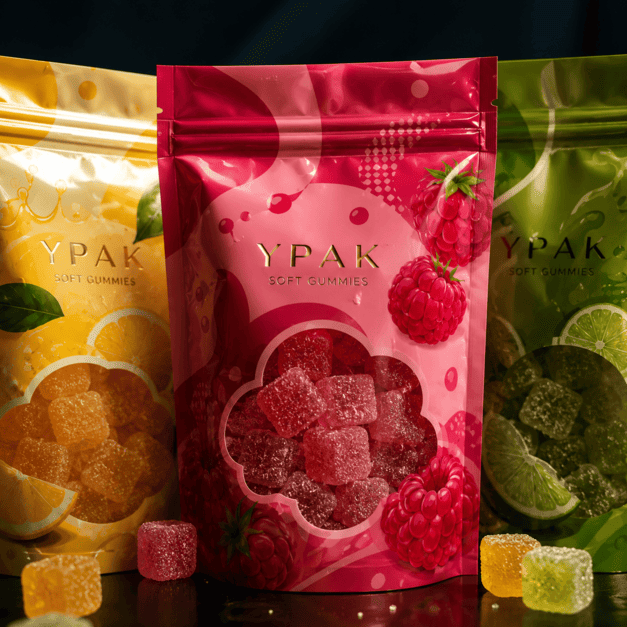

Flag recipe‑dependent specifications
Cross the decisions on packaging that are based on coating, surface oil, piece size, filling temperature or shelf‑life target. In case of a change in recipe, the buyer can know instantly whether or not the available packaging stock still fits or whether it has to be re‑examined.
Select the Customization Depth, based on launch stage
Not all launches require all of the visual effects simultaneously. Commitment can be enhanced by the shape of the bag, its size, the locking mechanism used, the way its material and the print are treated. Indicate which features should be used to facilitate the launch mission and delay those features that only contribute to inventory or approval risk that do not enhance product performance.
Guarantee the identifiable components
Even a modest initial run can be used to develop a strong brand. Retain the logo, main hierarchy, focus color logic and navigating clear flavors. Other finishes can be added once the winning pattern and format are more comprehended.
Selecting Printing When Risk of Revision exists
YPAK demonstrates digital printing as well as gravure applications of candy and gummies. It is not as easy as use against long run. The number of designs, the stability of information, the necessary color control and the possibility of the next order utilizing the same artwork should be taken into consideration by buyers.
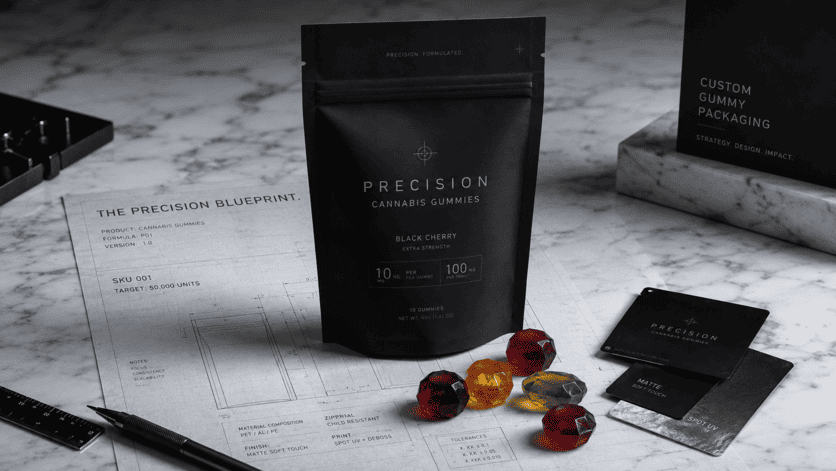
Get an idea of the useful life of the artwork
Inquire as to the time frame of the given ingredient panel, claims, barcode, serving information and market statements they are intended to stay. Artwork whose useful life span is short should not be used to justify a larger package size whose useful life will run longer before used.
Construct a Usage and Time Reorder Point
Before packaging stock is almost used out, the reorder point is attained. It should include approval time, production, transportation, receiving as well as a demand variance buffer. Make use of the real weekly consumption after launch, and revise the forecast instead of carrying on with the initial estimate.
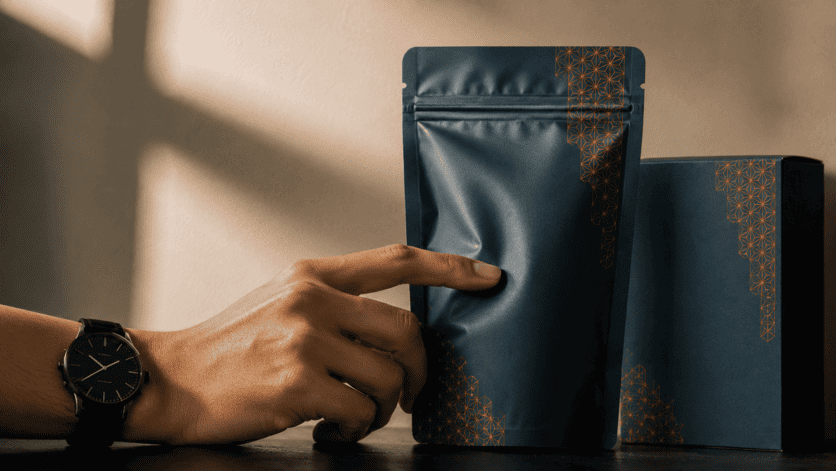
- Measure average pouch use per week following normal startup wastes.
- Note the peak constant usage, and not a single promotional peak.
- Make sure the number of weeks between decisions to reorder and usable stock is known.
- Include a controlled buffer to check the delay and demand variability.
- Review of triggers before a change of artwork or recipe.
Take Inventory Age As Red Flag
The age and quantity of the packaging stock should be checked. Old inventory can represent either a poor SKU or undersized order or product change which has not been addressed. Age bands assist the brand to take action prior to the remaining pouches becoming unusable.
Devise activities in all age groups
The existing stock is possible to stay in the ordinary packing. Having older stock should cause re‑examination of forecasting and printed information check. At‑risk stock should not be ordered automatically until a team refuses the demand, compatibility of artwork, and products.
Accept the First Run as an Inventory Reference
Appearance is not all that should be identified in the production approval. Document the specific SKU, construction, dimensions, printing version, number of units packaged and accepted yield. The reference links the physical pouch to inventory record on which replacement is planned.
Reconcile delivered quantity
Compare received, ordered, accepted and produced units. Document the quantity of the tolerated records and in any unused packs. Calculations to be allocated to reorder use available accepted inventory, and not the nominal amount on the purchase order.
Risk Multiplication by Keep Flavor Expansion
New flavors can be used to present a gummy range as successful and disintegrate its packaging demand. Prior to incorporating a design determine whether the design will substitute an already existing flavor, or share the sales or generate more volume. Simulate the action on each pouch stored.
- Only by the demand of the flavor is expected will it be added on a basis of a specific consumption.
- It is not advisable to make any modifications to common layout components when making a flavor‑only extension.
- Use a controlled SKU register such that there will be no migration of barcodes and serving details.
- Check on slowness of stock and approve another print variant.
present YPAK with a Gummy Packaging Program Brief
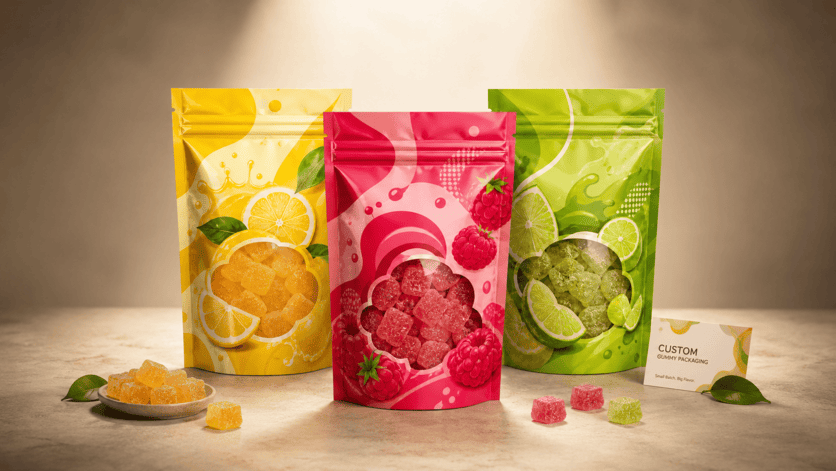
YPAK has the ability to customize candy and gummy pack formats, designs and printed presentation. The commercial relationship among SKUs should be clarified through a program brief, rather than just attaching individual artwork files.
- The recipe group associated with each of the suggested pouch construction.
- Project packages by SKU in the case of base, slow and rapid demand.
- The acceptable unused‑packaging exposure and objective of learning the launch.
- Elements of artwork that should be fixed and those that will alter.
- Assumptions regarding consumption, the time and the point of receiving.
Conclusion
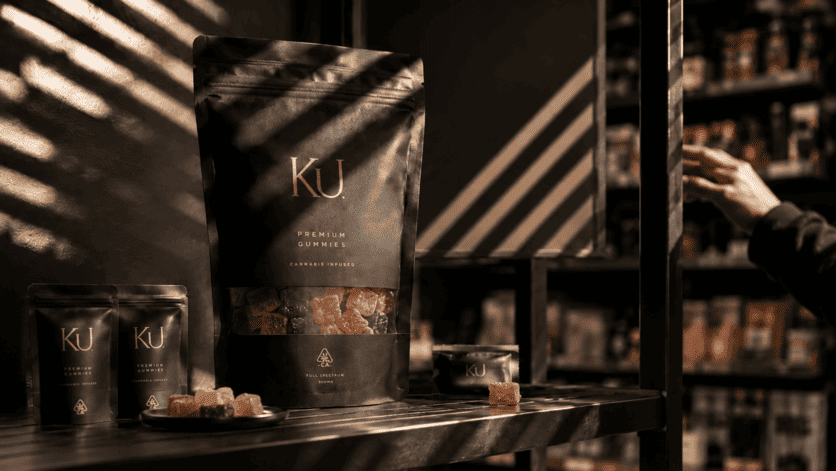
Another controlled inventory program to source should be custom gummy packaging. Recipe compatibility ensures the food is safeguarded, whereas the commercial launch is safeguarded by demand cases, artwork life or stock age and reorder logic. Candy‑bag formats, as well as printing capabilities at YPAK, can be used to facilitate the program when the buyer relates all of the printed SKUs to a list of approved construction, and the consumption plan that is realistic.
FAQ
What is the first order of custom gummy packaging that should be estimated by the brand?
Transform anticipated sales into packages by SKU after which slow and fast instances of demand are to be tested. Add packing waste, samples, retained units as well as financial exposure of unused printed stock.
Is it possible to order a number of gummy flavors in the same package?
They can be the shape and size of the constructed piece, yet printed editions are design‑oriented. You will have to verify the treatment of each piece of art by the supplier and that all recipes can be applied to the common construction.
What should be the reordering schedule of custom gummy packaging?
Trigger the decision when there is accepted stock to cover approval, production, transport and an oversized demand buffer. Calculate post‑launch consumption using actual consumption.
What can make printed gummy pouches obsolete?
Changes can happen to the leftover inventory such as the recipe, serving, claims, ingredients, barcode, market, artwork or retail needs so that, though the pouch might be intact, it might not fit to be used.
Post time: Sep-04-2026


