


Matcha Sachets: Size, Film and Filling Recommendations
Matcha Sachets: Size, Film and Filling Recommendations
The matcha pack sachets may be viewed as basic on a specification sheet and may be a poor performer on a packing line. Fine powder acts differently than do granules: fine powder may aerate, bridge and will carry static charge and travel into the seal area. These influences affect dose‑accuracy, web‑tracking, sealing and how the consumer empties the sachet.
This guide takes a production‑engineering perspective on matching sachet of matcha. It also puts attention on what needs to be tested at the filler, the interplay of the film with the machine and also how the frequent defects can be tracked to the root cause. The aim is the sachet which will be able to be produced again and again rather than a drawing which will fit the declared net weight.
Begin With the Powder Behavior Profile.
Pure matcha, sweetened mixes and latte blends can vary in particle size, density and flow behavior. A formulation may also vary between lots due to moisture, or because of handling or ingredient ratio. Always view the real‑life production powder in a realistic environment before choosing it in the form of sachet or filler.
Document the Variations of Input that Impact Flow.
- Lowest and highest bulk density of representative lots.
- Dynamics following transport, hopper and vibration.
- Potential to bridge, compact, stick together or cause dust to fly.
- Temperature and humidity in the room where filling is planned.
Equate Formula to Matching the Dosing System.
The dosing system should be in such a way that a small target weight will be delivered repeatedly but without a lot of movement of powder. Auger system could be appropriate with fine powders, but hopper agitation and cut off control and speed should be tried. What is effective in a sweetened mixture might not be effective in pure matcha.
Evaluate Dose Control on the Actual Filler
- Average dose and weight difference/individual weight variation in normal speed.
- Startup, refill and end of run performance.
- Loss of powder around the nozzle and around the sachet.
- Cleaning time and carryover between formulations.
Clean the Dust Before it gets to the Seal.
Contamination of seals is usually a dosing and airflow issue as opposed to a film issue. One might have the powder dropping off excessively and spreading within the sachet and on the other extreme one might have an overly large nozzle and rub the opening. Displaced air can also carry dust upward toward the top‑seal area.
Less Powder Movement on the Source.
- Minimize the drop distance between nozzle and sachet.
- Make nozzle central and maintain it free of side seals.
- Tune extraction so that it does not pull product away.
- Settling time should be permitted when the top seal is permissible.
Establish Sachet Dimensions based on machine clearance.
Sachet size is only one of the inputs of dose volume. The machine must also have sufficient opening width of the nozzle, product flow and clearance space as well as a clean top‑seal space. A very thin sachet might minimise usage of materials but cause the stoppage, difficulty filling contents or a tear that entraps powder even after tearing.
Run a Geometry Trial.
- Check the width that can be used within the side seals.
- Clearance of check nozzle in the minimum opening condition.
- Headspace, post maximum anticipated dose.
- Check settled thickness using cartoning and packout.
Stable Machine Handling Rollstock.
In the case of form‑fill‑seal production, the laminate should not just be used as a shield to matcha. Tracking, registration and seal formation are influenced by web stiffness and curl, slip and consistency of thickness. Ready‑prepared sachets should also have an assured opening performance, and dimensional feeding. Machinability should be the other factor that is accommodated in film approval and not just barrier values.

Request Converting and Web‑Control Data.
- Total thickness and tolerance across the roll or pouch lot.
- External and internal coefficients of friction as needed.
- Direction of rolls, identification and quality of splices winding.
- Registration‑mark position, repeat‑length tolerance.
Construct a protection barrier of the actual distribution route.
Matcha is oxygen sensitive, moisture sensitive, light sensitive and heat sensitive. Choose barrier targets of the desired shelf life, climate and secondary packaging. YPAK shows a usage of traditional, recyclable and compostable material options, yet every candidate structure must be tested using the product and wrapping procedure.
Compare Entire Structures, Not Adjectives.
- Transmission of oxygen and moisture at given test conditions.
- Shielding against light which is ensured by the whole printed laminate.
- Sealant of food contact and compliance with the formula.
- Post folding barrier retention, sealing and distribution abuse.
Use a Defensible Heat‑Seal Window.
The fact that one sample is attractive does not indicate that the process is stable. The packer manufacturer is to test combinations of temperature, pressure and dwell‑time at realistic speeds. The approved window needs to be able to absorb the normal equipment variation to yield seals that counter channels, wrinkles and leakage.
Document Seal‑Window Results
- Lowest setting that forms a satisfactory continuous seal.
- Optimum setting prior to distortion, shrinkage or seal breakage.
- Performance after product conditioning (peel or burst).
- Penetration requirements of dust to the seal area.
Coordinate Cutting, Notching and Powder Discharge.
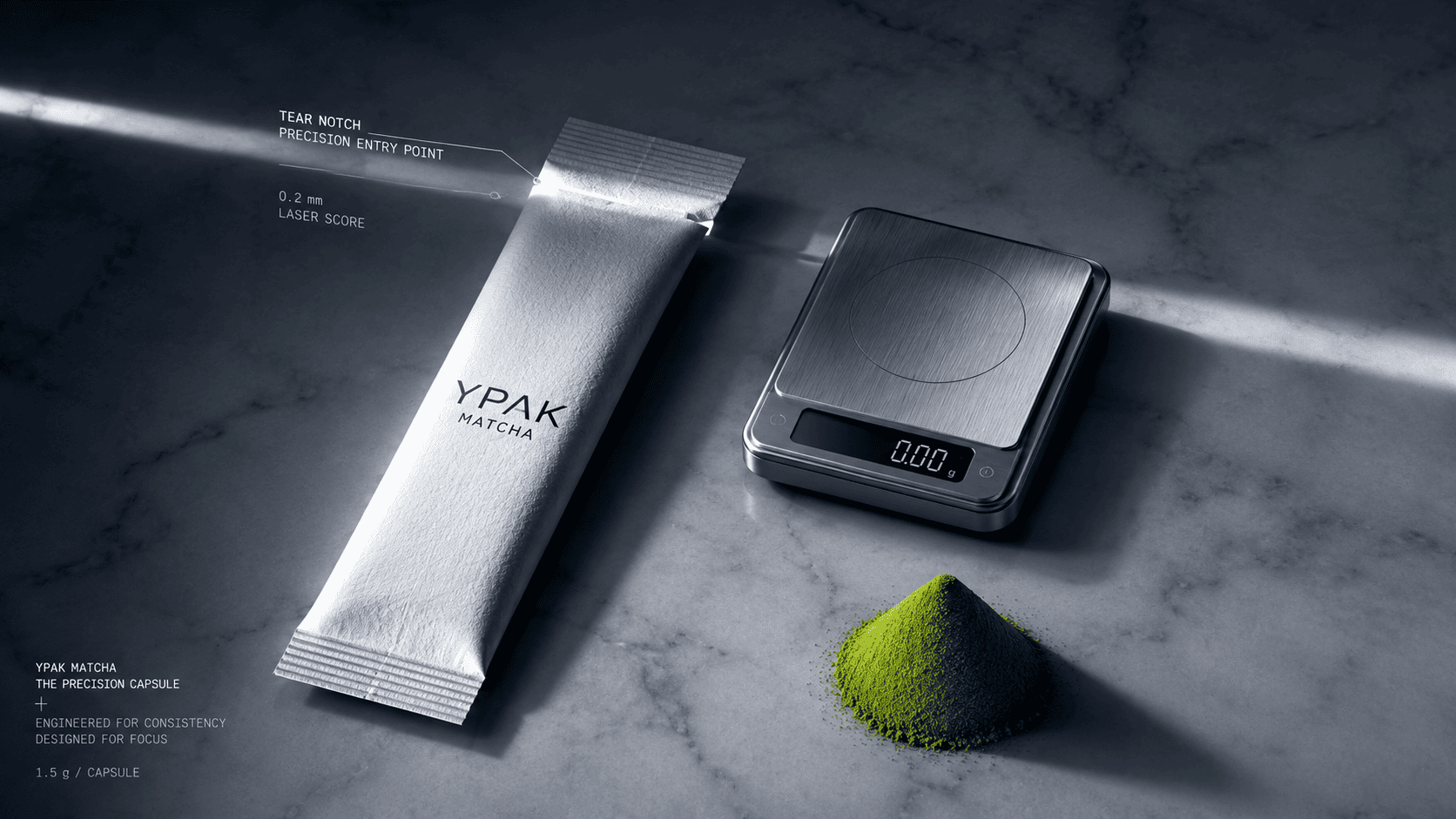
The sachet goes through the tear to the consumer. A notch that is cut too near the powder line is apt to give a cloud, and a narrow cut line can hold product in the corners. Notching and cut also have to be tied to the process of print registration on a moving line.
Check Finished Opening
- Holding part on top of tear‑line at original sachet size.
- Direction of tears and resistance in samples of productions.
- Opening tolerance of different users.
- Pour into desired cup or container.
Secure Print and Code at Production Rate.
Small panels do not allow much leeway on registration. Ingredients, preparation copy and branding should be kept off seals and cut lines. Lot codes should not be lost or smeared in the artwork or move over a fold when normal production occurs, Lot codes must be legible on the intended finish and not disappear.
Approve Production‑Scale Evidence
- Evidence of digital artwork to copy and version.
- Color and fine text roll or pouch proof printed.
- Allocating samples to be registered and to be cut.
- Rubbed, handled and conditioned coded sachets.
Trials Using Troubleshooting Matrix.
Instead of converting the film at once, trial teams should ascertain every defect to probable process inputs. Recording machine settings, powder condition and run sample location. This creates evidence for corrective action and prevents one adjustment from hiding another problem.

Common Production Signals
| Observed issue | Likely inputs to check | First validation action |
|---|---|---|
| Weight variation | Flow of powder, auger height, hopper height. | Compare weights per run stage and/or per hopper condition. |
| Powder in top seal | Settling time, drop height, airflow. | Check slow samples prior to film change‑ up. |
| Web tracking drift | Friction, roll tension, curl, splice. | Note position pre and post adjustment. |
| Weak or leaking seal. | Dust, temperature, pressure, dwell time | Test a controlled seal‑window. |
Test Run to Repeat Scale.
A short hand‑filled sample is not a representation of commercial production. The intended powder, film, print, filler, speed and sealing settings need to be approved. Sample startup, states when the current run is stable, reel or pouch‑lot changes and the termination of the run to expose variation that cannot be seen in one approved sample.
Trial reports must also reflect on who allowed the samples to be taken, the lot of material used and has there been any alteration on any machine used to collect the samples. In case an order some time after will act differently, such records will assist the supplier and packer to distinguish between a material change and usual process variation. They also furnish a real life norm to train the operators and check the corrective action.
Freeze Production Record.
- Permissible machine parameters and comfortable operating limits.
- Sachet drawing, revision of film structure and artwork.
- Seal, weight and leak criteria and code and appearance criteria.
- Sampling frequency, method of packout and retained samples.
Conclusion
The ability to control both the behavior of powders and filling allows creation of reliable matcha sachets. Accurate dosage, dust transfer, machine clearance, and web control, barrier performance, sealing and tear resistance should be demonstrated under realistic conditions. A recorded production trial provides buyers and packers a better foundation on repeatable quality than material names and dimensions.
FAQ
What causes matcha seal contamination?
Fine powder may pass along with the displaced air or fall due to excess height or fall into the seal zone. Before blaming the film, nozzle position, extraction and settling time must be checked.
Are matcha sachet sizes to be based on net weight?
No. Size ought to indicate the amount of powder in it, density range, nozzle clearance, headspace and the thickness required to discharge clean.
What are the tests to be done during a sachet trial?
Test dose variation, web or pouch feeding, dust control, seal integrity, registration, coding, tear performance and filled‑pack conditioning.
Is it possible for YPAK to provide other material choices?
YPAK enumerates traditional, recyclable and compostable options. The overall structure remains to be validated concerning barrier, filling and sealing specifications.
Post time: Sep-07-2026


